



In the shifting dynamics of global power, the ascent of Indian Americans reveals itself as a quiet revolution, reshaping paradigms that have long defined influence. Beyond the conventional markers of dominance – military strength or economic supremacy – the diaspora wields an unorthodox yet profound form of strategic leverage, altering the global chessboard with understated precision.
India’s economic narrative is equally emblematic of transformation. Contributing 4% to global GDP, India is well on a course to emerge as the third $10 trillion economy within two decades – a trajectory that disrupts entrenched economic hierarchies. The International Monetary Fund anticipates India driving 18% of global growth by the close of this decade, underscoring its role as a pivotal player in the emerging world order.
The evolving India-U.S. trade relationship offers a microcosm of this shift. U.S. imports to India surged from $51.3 billion in 2020 to $80.1 billion in 2024, with a trade deficit expanding from $24.2 billion to $41.5 billion – a testament to their deepening economic interdependence.
The expanding U.S.-India trade ties reflect a broader story of influence, embodied by the meteoric rise of Indian-American professionals across pivotal sectors of the American economy. With a staggering median household income of $119,000 – far exceeding national averages – Indian Americans occupy key roles in corporate boardrooms and government corridors. Visionaries such as the CEOs of Microsoft, Google, and Citibank epitomize this success, alongside leaders driving innovation at Apple, Intel, and Dell.
At the heart of this ascendancy lies the H-1B visa program, a linchpin of India’s knowledge economy strategy. By 2023, Indian professionals accounted for over 72% of the 386,000 H-1B visas issued or renewed, signaling not only a shift in workforce dynamics but a recalibration of global expertise.
This talent pipeline cements India’s geopolitical reach, integrating Indian expertise into strategic global sectors. Politically, the trajectory is equally transformative. Indian Americans, though less than 2% of the U.S. electorate, wield outsized influence.
By 2024, their voter base surged to 260,000 from 180,000 in 2020, complemented by appointments to President Trump’s second-term Cabinet. Their growing political presence – shaping policy in AI and public health – underscores a community defining the next chapter of U.S. power and policy.
These accomplishments extend far beyond symbolic representation; they reflect a deliberate strategy to shape policy and discourse at the highest echelons of power. Organizations like the Hindu American Foundation lead the charge, using legislative advocacy and lobbying to further India’s global interests.
Their work exemplifies the Indian-American diaspora’s transformation into a force that reshapes how influence is wielded. Rather than relying on traditional methods of state-driven power, India has embraced a decentralized model that leverages its diaspora.
Events such as the 2024 “Technology Immigration Summit,” hosted by the Foundation for India and Indian Diaspora Studies (FIIDS) on Capitol Hill, underscore the community’s impact on shaping immigration policies and U.S.-India relations. These efforts are an exercise in grassroots diplomacy, as nuanced as they are effective.
India’s export of intellectual capital plays a pivotal role in this strategy. Stanford’s Asia-Pacific Research Center highlights Indian talent as an engine of global soft power. CEOs and executives not only lead multinational firms but act as bridges, fostering ties that intertwine economies and cultures.
This layered, human-driven approach creates complex interdependencies—where influence flows as seamlessly as the talent that propels it forward. As Washington tackles the complexities of containing China’s rise, the Indian-American phenomenon presents a subtler, more intricate challenge. This isn’t mere immigration – it is a calculated, networked strategy that weaves economic, political, and cultural threads into a cohesive framework of influence.
By embedding its brightest minds within global institutions, India is crafting a decentralized model of power projection that eludes traditional geopolitical playbooks. For U.S. policymakers, the implications are profound. The rise of the
Caracas, July 12, Eurotoday Newspaper – The death toll from the devastating earthquakes in Venezuela has risen to 4,490, according to the latest official figures released by authorities. Thousands of people remain displaced, while emergency teams continue recovery efforts across the country’s hardest-hit regions. Rescue crews have worked around the clock since the powerful twin earthquakes struc Bangkok, July 12, Eurotoday Newspaper – Bangkok pub fire has left at least 27 people dead after flames swept through a crowded nightlife venue in Thailand’s capital, according to local officials. Dozens of people were also injured as firefighters battled the blaze and rescue teams searched the building. Authorities have launched a formal investigation to determine what caused one of the country’ Sarhan Basem is Eurotoday’s Senior Correspondent to the European Parliament. With a Bachelor’s degree in English Literature, Sarhan brings a unique blend of linguistic finesse and analytical prowess to his reporting. Specializing in foreign affairs, human rights, civil liberties, and security issues, he delves deep into the intricacies of global politics to provide insightful comment Sarhan Basem is Eurotoday’s Senior Correspondent to the European Parliament. With a Bachelor’s degree in English Literature, Sarhan brings a unique blend of linguistic finesse and analytical prowess to his reporting. Specializing in foreign affairs, human rights, civil liberties, and security issues, he delves deep into the intricacies of global politics to provide insightful comment The Commission’s preliminary finding against Facebook and Instagram intensifies Europe’s effort to regulate platform architecture, not just online content
Comments
Last News
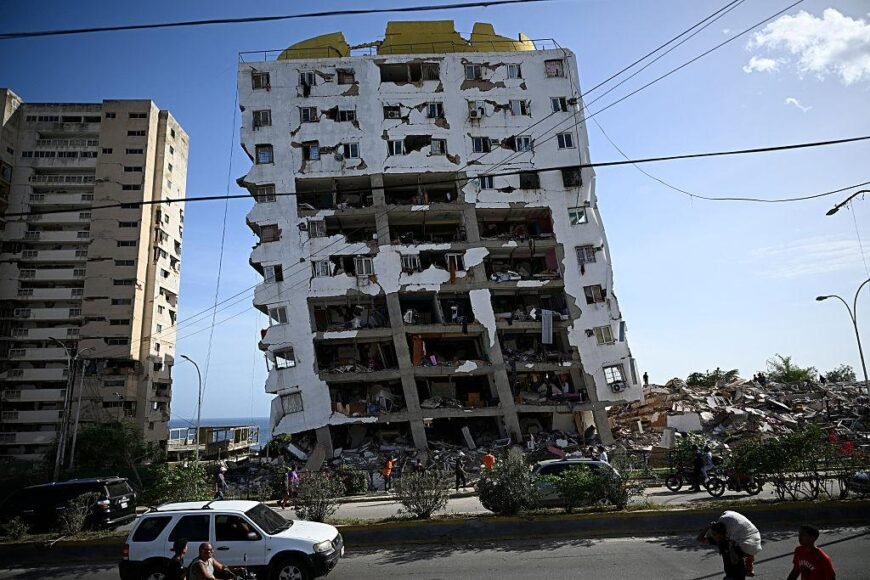
Death Toll in Venezuela Earthquake Climbs to 4,490 Amid Ongoing Recovery Efforts

What does Starmer’s last week look like?
Sam Coates and Anne McElvoy provide updates on the police investigation, Nigel Farage’s response, and the broader political implications. This coincides with an intensifying debate over political party donations, with Reform contending that existing
Bangkok Pub Fire Claims at Least 27 Lives; Thailand Begins Investigation

EU Confronts Trade Settlement Decision on Gaza
EU foreign ministers are set to meet in Brussels on Monday under growing pressure to decide if the bloc’s long-standing opposition to Israeli settlements should be accompanied by concrete trade actions. The debate, expected on July 13, highlights the humanitarian and legal cha
Why Europe Still Can’t Agree on Israel
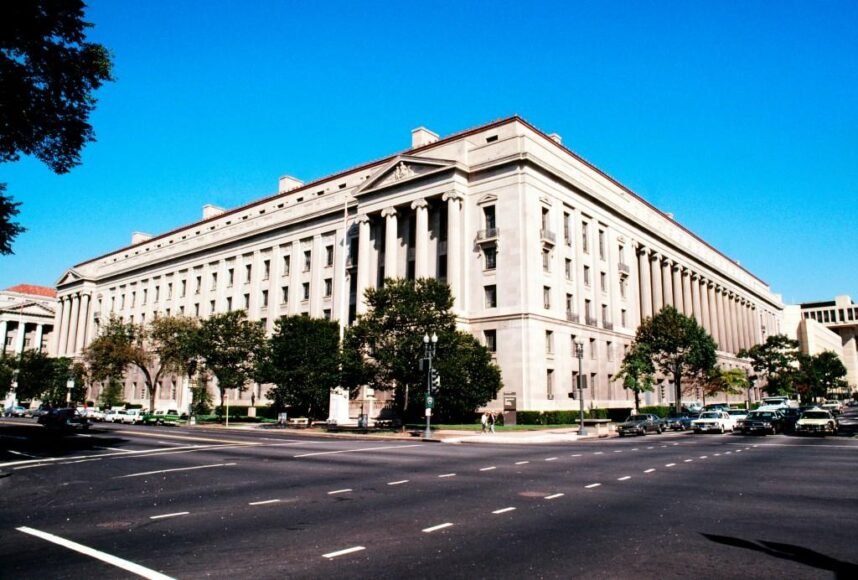
DOJ Reviews Allegations Against UAW President Shawn Fain

Bulgaria’s Deficit Highlights Euro Discipline
Bulgaria has been subjected to the EU’s excessive deficit procedure, increasing the scrutiny of its public finances during its first year using the euro. The Council of the EU requires Sofia to submit corrective measures by 15
Backlash Erupts Over Ex-Spanish PM’s Racist Remark About French World Cup Team

The Impact of Positive Media Coverage on Enhancing Your Online Reputation

Brussels Transforms Meta Design Into a DSA Case
The European Commission has advanced one of its most politically sensitive Digital Services Act investigations, initially finding that Meta violated EU regulations through the addictive design of Instagram and Facebook. While not a final decis
Leave a Reply