



Brussels (Eurotoday Newspaper): Giacomo Puccini, the famous Italian composer, died on November 29, 1924, in Brussels at age 65 from complications of throat cancer surgery. He was working on his final opera, Turandot, during his treatment at a clinic. His funeral attracted many people and was filmed for European cinemas.
Giacomo Puccini, the renowned composer of operas like “La Bohème” and “Tosca,” was in Brussels working on “Turandot” when he passed away 100 years ago. In 1924, he moved there for throat cancer treatment and stayed at what is now known as Hotel Puccini. Despite being a famous figure, he mostly kept to himself. During his time in the city, he is said to have attended a performance of his opera “Madama Butterfly,” but had to leave before the end due to his illness.
What were Giacomo Puccini’s final days in Brussels before he died in 1924?
Giacomo Puccini chose Dr. Leroux, a well-known doctor for his treatment, and spoke to the newspaper Le Soir about his hopes for recovery, saying he loved the city. After a major operation on November 24, he faced complications and died from a heart attack on November 29. The clinic where he died is now an apartment complex, but there is a plaque that honors his memory.
Giacomo Puccini’s funeral was held at the Royal Church of St. Mary in Schaerbeek, attracting many people. It was a state funeral, and the ceremony was filmed for cinemas across Europe. Conductor Arturo Toscanini played music from Puccini’s opera ‘Edgar’. Afterward, Puccini’s body was taken to Milan for temporary burial, and in 1926, he was moved to the Museo Villa Puccini. The village of Torre del Lago, where he lived, was renamed Torre del Lago Puccini in 1938 in his honor. Puccini died just weeks before he turned 66, leaving his last opera ‘Turandot’ unfinished, Franco Alfano later completed it.
Comments
Last News

Cuban Addresses Fuel Shortage Issue
Cuba is facing a severe energy crisis following the halt of oil supplies from the United States and Venezuela in January. Consequently, gasoline is rationed, and power outages are widespread. On the black market, gasoline prices have soared to $8 per liter, six times the official state price.
Reuters reports a Cuban has converted a Fiat 126p to operate on coal.
Mechanic Juan Carlos Pino tackled

EU’s Google Fine Risks Triggering Trump as He Gears Up for More Tariffs
One diplomat mentioned that ambassadors could convene an extra
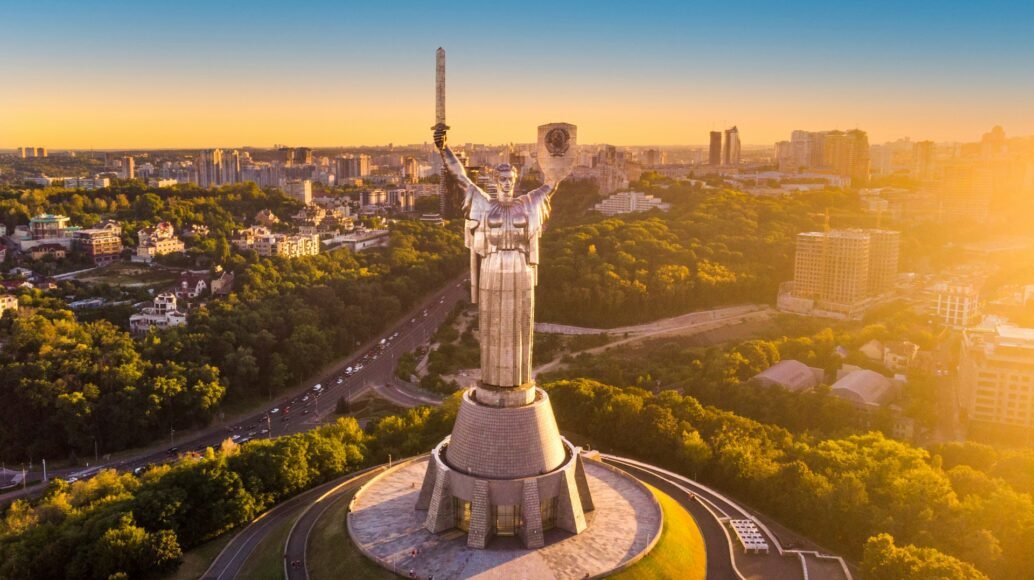
NATO Defense Support Bolstered as Zelenskiy Announces Raytheon’s Interceptor Production Partnership Intent
Kyiv, July 23 Eurotoday — NATO defence support remains central to Ukraine’s security strategy after President Volodymyr Zelenskiy said U.S. defence company Raytheon is interested in helping produce interceptor missiles in Ukraine. The proposal highlights efforts to strengthen the country’s air defence capabilities while expanding cooperation with Western defence manufacturers.
Raytheon Signals I


Germany rebukes Trump over South Africa’s G20 ban
During his speech, Wadephul highlighted his desire to build closer ties with South Africa, despite differences on significant geopolitical issues like Russia’s war in Ukraine, the Gaza conflict, and China. As a BRICS member, South Africa historically maintains close rel

Spanish Wildfire Response Criticized for Exposing Warning Gaps
Madrid, July 22 Eurotoday — Wildfire emergency response has come under renewed scrutiny after a devastating wildfire in Spain revealed weaknesses in emergency warning systems and outdated evacuation plans. Residents in several affected communities reported receiving delayed alerts as flames spread rapidly through dry woodland, leaving many to rely on neighbours and personal judgement rather than

From El Fasher to Brussels: Victims and Experts Urge EU Sanctions on the War’s Business Model

Le parquet de Paris ouvre une enquête sur le site “libertin” Wyylde
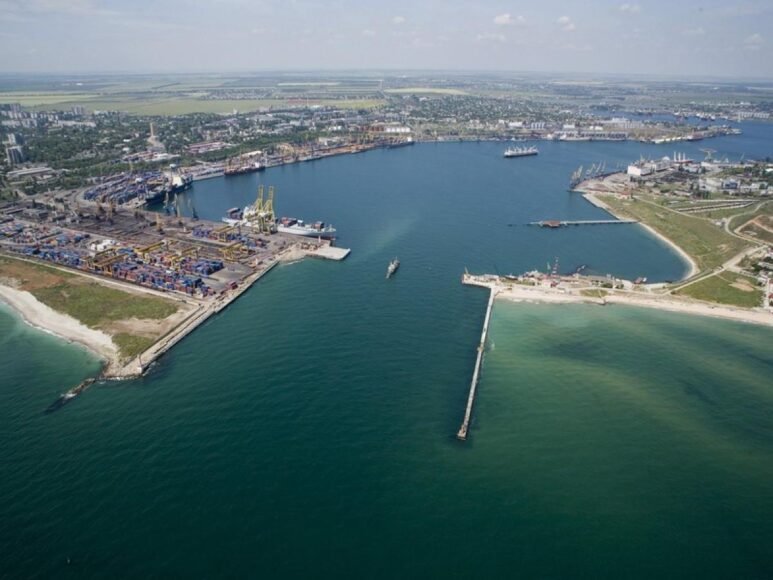
Maersk Halts Chornomorsk Fishing Port Service Following Russian Attacks in Global Shipping News
Kyiv, July 22 Eurotoday — Global shipping news remains focused on the Black Sea after Maersk suspended services through Ukraine’s Chornomorsk Fishing Port following intensified Russian attacks on port infrastructure. The move reflects growing security concerns for international shipping companies operating in the region and is expected to affect cargo movements until conditions improve.
Maersk S

Leave a Reply