



Neoclassical realism in foreign policy theory integrates structural realism’s emphasis on the international system with an analysis of domestic factors, arguing that a country’s foreign policy is shaped by its relative material power filtered through internal variables like leadership perceptions and state structures. This approach contends that understanding foreign policy requires examining both the international pressures and the domestic contexts within states, making it a nuanced evolution of classical realism that addresses the complexity of state behavior in the international arena.
Neoclassical Realism and Foreign Policy
Neoclassical realism emerged as a significant development in international relations and foreign policy studies to bridge the gap between systemic theories that focus on the international system and unit-level analyses that study individual state behavior. Unlike neorealism, which posits that the international structure directly dictates state actions, neoclassical realism asserts that material power’s influence on policy is indirect and mediated by domestic factors including the perceptions of political leaders and the state’s organizational dynamics. This internal-external nexus offers a richer explanation of why states with similar power capabilities might pursue very different foreign policies.
This theory is particularly valuable for explaining variation in state behavior that purely structural explanations fail to capture. By considering intervening variables such as decision-makers’ interpretation of threats, domestic political institutions, and societal pressures, neoclassical realism provides a comprehensive framework for understanding both the motivations and actions behind foreign policy decisions.
Core Concepts of Neoclassical Realism
The principal premise of neoclassical realism is that a state’s foreign policy ambitions and strategies fundamentally stem from its relative material power in the international system. However, the connection between power and policy is complex:
- Relative power is the primary driver but not the sole determinant of foreign policy.
- Systemic pressures (e.g., threats from other states, power distribution changes) influence state behavior through complex filtering mechanisms at the national level.
- Domestic intervening variables include the perceptions of political leaders, elite consensus, bureaucratic politics, and social or institutional constraints.
- These domestic factors can either amplify or attenuate the influence of systemic pressures, explaining deviations from predicted structural realist outcomes.
Thus, a state’s foreign policy can only be fully understood by analyzing how international power dynamics interact with internal political and social environments.
Neoclassical Realism Compared to Other Theories
Neoclassical realism distinguishes itself from classical realism, neorealism, and liberal theories by its dual focus on systemic and domestic levels. Unlike classical realism, which often emphasized human nature and moral considerations, neoclassical realism uses systematic, theory-driven approaches with clear variables. Compared to neorealism, which largely discounts internal politics, neoclassical realism considers domestic factors as key mediators. Unlike liberalism, which emphasizes international institutions and cooperation, neoclassical realism prioritizes power and security concerns mediated domestically.
| Theory | Focus | Role of Domestic Politics | View on Power |
|---|---|---|---|
| Classical Realism | Human nature, power competition | Implicit, broad | Central |
| Neorealism | Structure of international system | Minimal, systemic forces dominant | Central |
| Liberalism | Institutions, cooperation | Significant, promotes peace and interdependence | Important but cooperative |
| Neoclassical Realism | Systemic and domestic linkages | Crucial as intervening variables | Central, mediated by domestic factors |
Comments
20 responses to “Power and Perception in Neoclassical Realism and Foreign Policy”
-

Who knew foreign policy could be so complicated? It’s almost as if all those years of studying politics were just a warm-up for a game of chess with a side of domestic drama. 🤔🧐
-
Just what we needed—another theory to remind us that politics is about as clear as mud! 🎩 I suppose we should all just grab a pint and let the “experts” figure it out, eh? 🍻
-
Who knew that power and perceptions could be such a delightful cocktail of complexity? It’s almost as if someone took a straightforward game of chess and turned it into a farcical opera—bravo! 🎭🍷
-
Fancy a read on how power and perception shape foreign policy? Who knew that political leaders’ brunch chats and state structures could impact international relations more than your average cup of tea? ☕️💼
-
Seems like someone’s trying to make foreign policy sound like a complicated recipe — just add power, a pinch of perception, and voila! You’ve got yourself a geopolitical soufflé. 🍰😏
-
Seems like someone finally cracked the code on why countries act like they do—just a dash of power, a sprinkle of perception, and voilà, you have a foreign policy! 🧐 Who knew it was all just a game of who’s boss at home?
-
Quite the page-turner, isn’t it? I mean, who wouldn’t want to dive into the riveting world of power dynamics and leader perceptions when there’s a football match on the telly? 😂
-
Oh, fantastic! Just what we needed—a deep dive into why some countries play nice and others throw tantrums, all while sipping espresso. Perfect for those days when you want to sound smart at a gala but really just want to talk about the weather. ☕️🌍
-
Theories like this one are just what we need—because who wouldn’t want a 300-page guide on how to overthink foreign policy? 🥱 It’s like ordering a fancy dish but just getting the recipe instead!
-
If only my dinner party discussions could be as riveting as this dense tome; who knew the interplay of power and perception could be so… captivating? 🍷📚
-
Isn’t it charming how we can take a perfectly good study of power dynamics and turn it into a labyrinthine novel? I mean, who wouldn’t want to read about domestic politics and perceptions when they could be enjoying a nice cup of tea instead? ☕️😏
-
Looks like we’ve got a fancy new theory to explain why countries act like spoiled children in a candy store. 😂 Who knew power and perception could be such a riveting soap opera?
-
Honestly, who knew that combining power and perceptions could result in such a lovely mess of foreign policy? It’s like trying to bake a soufflé while riding a unicycle—elegant in theory, but good luck pulling it off without a few cracks! 😂
-
This book is like a fine wine—complex, a bit pretentious, and best enjoyed after a long day of deciphering your mates’ political drivel. 🍷 If you thought foreign policy was just about who has the bigger stick, well, surprise, surprise!
-
So, this is what passes for cutting-edge theory nowadays? Blending power and perception with a dash of domestic drama—sounds like a soap opera for diplomats! 😏📚
-
The only thing more convoluted than this theory is trying to order a simple coffee in Paris—good luck wrapping your head around that! ☕️🤔
-
Oh, great, another dense tome on how countries play dress-up with their power dynamics—because who doesn’t love a good philosophical debate between coffee breaks, right? ☕️💼
-
Is this a book or a manual for assembling IKEA furniture? 🤔 Either way, it seems like it could use a bit more sparkle — perhaps a dash of wine and a sprinkle of good ol’ British sarcasm for flavor. 🍷🇬🇧
-
Just when I thought we had enough theories to sink a ship, here comes neoclassical realism—because who doesn’t love a good power play spiced with a dash of domestic drama? 🤷♂️
-
Look at this fancy neoclassical realism theory, trying to connect dots between power and perceptions like it’s some sort of art installation. 🤔 If only it could explain why my cab fares keep rising without any similar reasoning, eh? 🤑
Last News

Turkey Imposes €13,000 Fine for Evening Beach Walks
During the summer, Turkey enforces a walking ban from 20:00 to 08:00 local time on 21 beaches across Antalya, Mugla, Mersin, Adana, and Hatay. Fines for breaching the ban reach 699,000 Turkish liras (13,000 euros) for individuals and 2 million liras (37,000 euros) for companies, reports CNN Turk via BTA.
The ban targets Mediterranean beaches that are nesting sites for endangered sea turtles. Affe
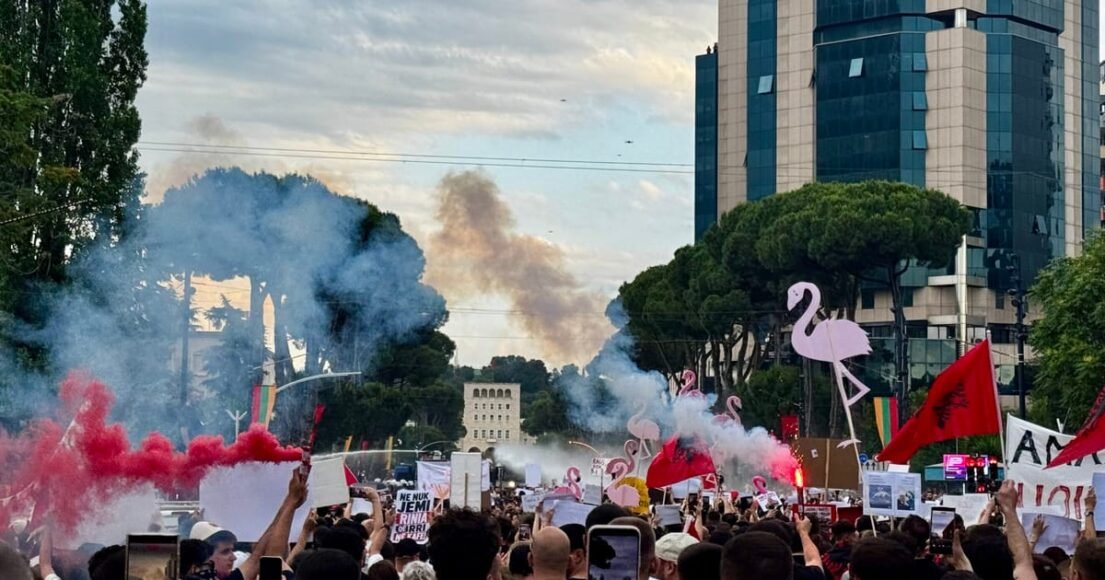
Albania’s Rising ‘Flamingo Revolution’ Aims at Jared Kushner Resort
In 2024, Jared Kushner, a real estate developer and former Trump administration official, announced that his private equity firm, Affinity Partners, intended to build a large luxury resort on Albania’s Sazan Island and along the Zvernec coastline near Vlora, with space for up to 10,000 hotel rooms.
He visited the location with Ivanka Trump in January 2026. In April, Albanian Prime Minister E
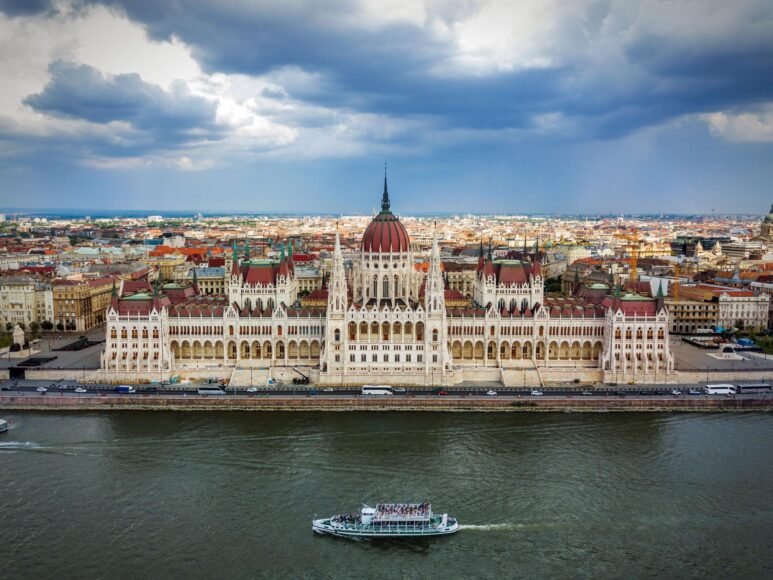
Hungary’s Political Reforms: 7 Key Changes Reshaping Budapest’s Government in 2026
BUDAPEST, Hungary – June 3 – Eurotoday Newspaper — Hungary political reforms are entering a significant new phase as the government of Prime Minister Péter Magyar moves forward with plans to abolish the Sovereignty Protection Office, one of the most controversial institutions established during Viktor Orbán’s years in power. The proposal is being viewed as a major step in the country’s broader e

Can Transcendent Ethics Thrive Amid Pragmatic Realities?
Many people face the tension between upholding absolute moral principles and adapting to real-world constraints. Situations often arise where ethical ideals clash with practical demands, risking compromise or moral erosion. Yet, within this conflict lies the potential for enduring ethical clarity, if one maintains consistency, self-awareness, and a commitment to truth over convenience.
The Tyrann

La bataille des ralliements aura bien lieu
Selon l’opinion générale, Édouard Philippe a marqué un premier point dans la campagne en obtenant le soutien de l’ancienne ministre Nathalie Kosciusko-Morizet. Vraiment ? Anthony Lattier et Pauline de Saint Remy examinent l’importance (ou non) des ralliements dans la lutte du bloc central.
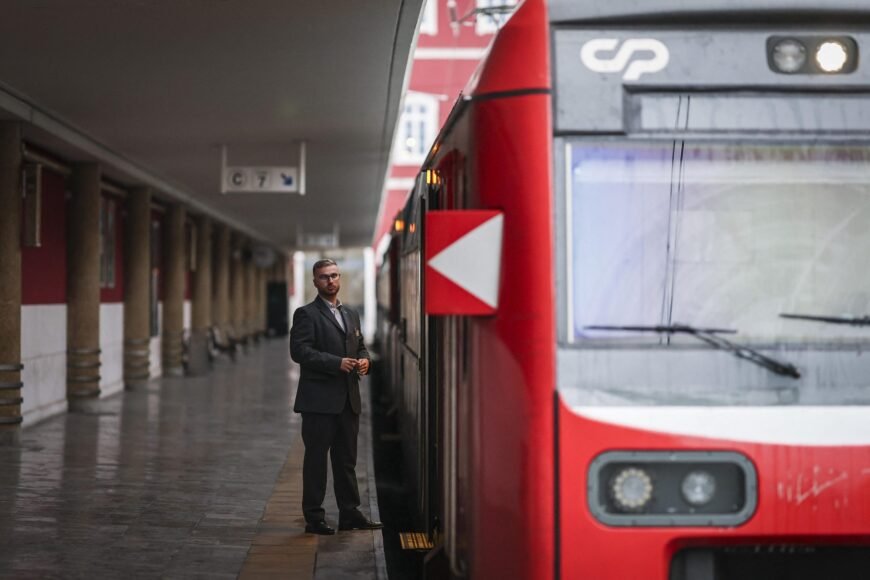
Portugal Labor Reform: 7 Key Disruptions Trigger Nationwide Strike Lisbon 2026
LISBON, Portugal – June 3 – Eurotoday Newspaper — Portugal labour reform proposals have triggered one of the country’s largest labour protests in recent years, bringing transportation networks, schools, and public services to a near standstill. Thousands of workers participated in a nationwide strike organized by major union groups that oppose planned changes to employment laws.
The growing contro
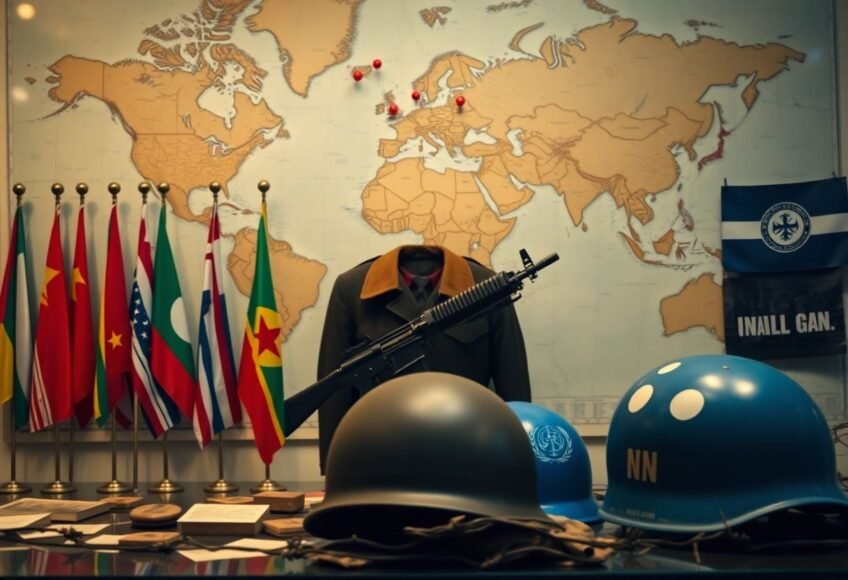
Conflicts That Shaped the Modern World
Over the last two centuries, global conflicts have reshaped borders, ideologies, and power structures. Wars like the two World Wars and the Cold War were among the most dangerous confrontations in human history, yet they also led to unprecedented international cooperation and technological progress. These events altered the course of nations and established the foundations of today’s geopolitical

Verification in the Era of AI: Workshop by European Newsroom on Fact-Checking
What is disinformation? What principles drive the spread of false content online? And how does artificial intelligence factor into this scenario?
On May 27, the European Newsroom held a webinar addressing a critical topic for journalists and media practitioners: the rise of disinformation and fake news on social media and other online platforms. The webinar’s objective was to enhance partic
Denmark Coalition Government: 7 Key Priorities Define New Leadership for Copenhagen 2026
COPENHAGEN, Denmark – June 3 – Eurotoday Newspaper — Denmark coalition government leaders have officially unveiled a new governing alliance following weeks of political negotiations, bringing an end to a period of uncertainty and establishing a new direction for the country. Prime Minister Mette Frederiksen secured support from multiple parties to form a coalition that officials say will focus o

Square Mile Initiates ‘Londonmaxxing’ Campaign
Earlier this year, Farage called London “broken” and “lawless” following unrest in South London’s area in March.
Sadiq Khan, the Mayor of London, accused MAGA supporters and Russia of spreading false information about London on social media, though crime significantly decreased during his term.
Khan promoted “Londonmaxxing” to emphasize the city’s po
Comments
20 responses to “Power and Perception in Neoclassical Realism and Foreign Policy”
-
Who knew foreign policy could be so complicated? It’s almost as if all those years of studying politics were just a warm-up for a game of chess with a side of domestic drama. 🤔🧐
-
Just what we needed—another theory to remind us that politics is about as clear as mud! 🎩 I suppose we should all just grab a pint and let the “experts” figure it out, eh? 🍻
-
Who knew that power and perceptions could be such a delightful cocktail of complexity? It’s almost as if someone took a straightforward game of chess and turned it into a farcical opera—bravo! 🎭🍷
-
Fancy a read on how power and perception shape foreign policy? Who knew that political leaders’ brunch chats and state structures could impact international relations more than your average cup of tea? ☕️💼
-
Seems like someone’s trying to make foreign policy sound like a complicated recipe — just add power, a pinch of perception, and voila! You’ve got yourself a geopolitical soufflé. 🍰😏
-
Seems like someone finally cracked the code on why countries act like they do—just a dash of power, a sprinkle of perception, and voilà, you have a foreign policy! 🧐 Who knew it was all just a game of who’s boss at home?
-
Quite the page-turner, isn’t it? I mean, who wouldn’t want to dive into the riveting world of power dynamics and leader perceptions when there’s a football match on the telly? 😂
-
Oh, fantastic! Just what we needed—a deep dive into why some countries play nice and others throw tantrums, all while sipping espresso. Perfect for those days when you want to sound smart at a gala but really just want to talk about the weather. ☕️🌍
-
Theories like this one are just what we need—because who wouldn’t want a 300-page guide on how to overthink foreign policy? 🥱 It’s like ordering a fancy dish but just getting the recipe instead!
-
If only my dinner party discussions could be as riveting as this dense tome; who knew the interplay of power and perception could be so… captivating? 🍷📚
-
Isn’t it charming how we can take a perfectly good study of power dynamics and turn it into a labyrinthine novel? I mean, who wouldn’t want to read about domestic politics and perceptions when they could be enjoying a nice cup of tea instead? ☕️😏
-
Looks like we’ve got a fancy new theory to explain why countries act like spoiled children in a candy store. 😂 Who knew power and perception could be such a riveting soap opera?
-
Honestly, who knew that combining power and perceptions could result in such a lovely mess of foreign policy? It’s like trying to bake a soufflé while riding a unicycle—elegant in theory, but good luck pulling it off without a few cracks! 😂
-
This book is like a fine wine—complex, a bit pretentious, and best enjoyed after a long day of deciphering your mates’ political drivel. 🍷 If you thought foreign policy was just about who has the bigger stick, well, surprise, surprise!
-
So, this is what passes for cutting-edge theory nowadays? Blending power and perception with a dash of domestic drama—sounds like a soap opera for diplomats! 😏📚
-
The only thing more convoluted than this theory is trying to order a simple coffee in Paris—good luck wrapping your head around that! ☕️🤔
-
Oh, great, another dense tome on how countries play dress-up with their power dynamics—because who doesn’t love a good philosophical debate between coffee breaks, right? ☕️💼
-
Is this a book or a manual for assembling IKEA furniture? 🤔 Either way, it seems like it could use a bit more sparkle — perhaps a dash of wine and a sprinkle of good ol’ British sarcasm for flavor. 🍷🇬🇧
-
Just when I thought we had enough theories to sink a ship, here comes neoclassical realism—because who doesn’t love a good power play spiced with a dash of domestic drama? 🤷♂️
-
Look at this fancy neoclassical realism theory, trying to connect dots between power and perceptions like it’s some sort of art installation. 🤔 If only it could explain why my cab fares keep rising without any similar reasoning, eh? 🤑
Turkey Imposes €13,000 Fine for Evening Beach Walks
The ban targets Mediterranean beaches that are nesting sites for endangered sea turtles. Affe
Albania’s Rising ‘Flamingo Revolution’ Aims at Jared Kushner Resort
He visited the location with Ivanka Trump in January 2026. In April, Albanian Prime Minister E
Hungary’s Political Reforms: 7 Key Changes Reshaping Budapest’s Government in 2026
Can Transcendent Ethics Thrive Amid Pragmatic Realities?
The Tyrann
La bataille des ralliements aura bien lieu
Portugal Labor Reform: 7 Key Disruptions Trigger Nationwide Strike Lisbon 2026
The growing contro
Conflicts That Shaped the Modern World
Verification in the Era of AI: Workshop by European Newsroom on Fact-Checking
On May 27, the European Newsroom held a webinar addressing a critical topic for journalists and media practitioners: the rise of disinformation and fake news on social media and other online platforms. The webinar’s objective was to enhance partic
Denmark Coalition Government: 7 Key Priorities Define New Leadership for Copenhagen 2026
Square Mile Initiates ‘Londonmaxxing’ Campaign
Sadiq Khan, the Mayor of London, accused MAGA supporters and Russia of spreading false information about London on social media, though crime significantly decreased during his term.
Khan promoted “Londonmaxxing” to emphasize the city’s po
Leave a Reply