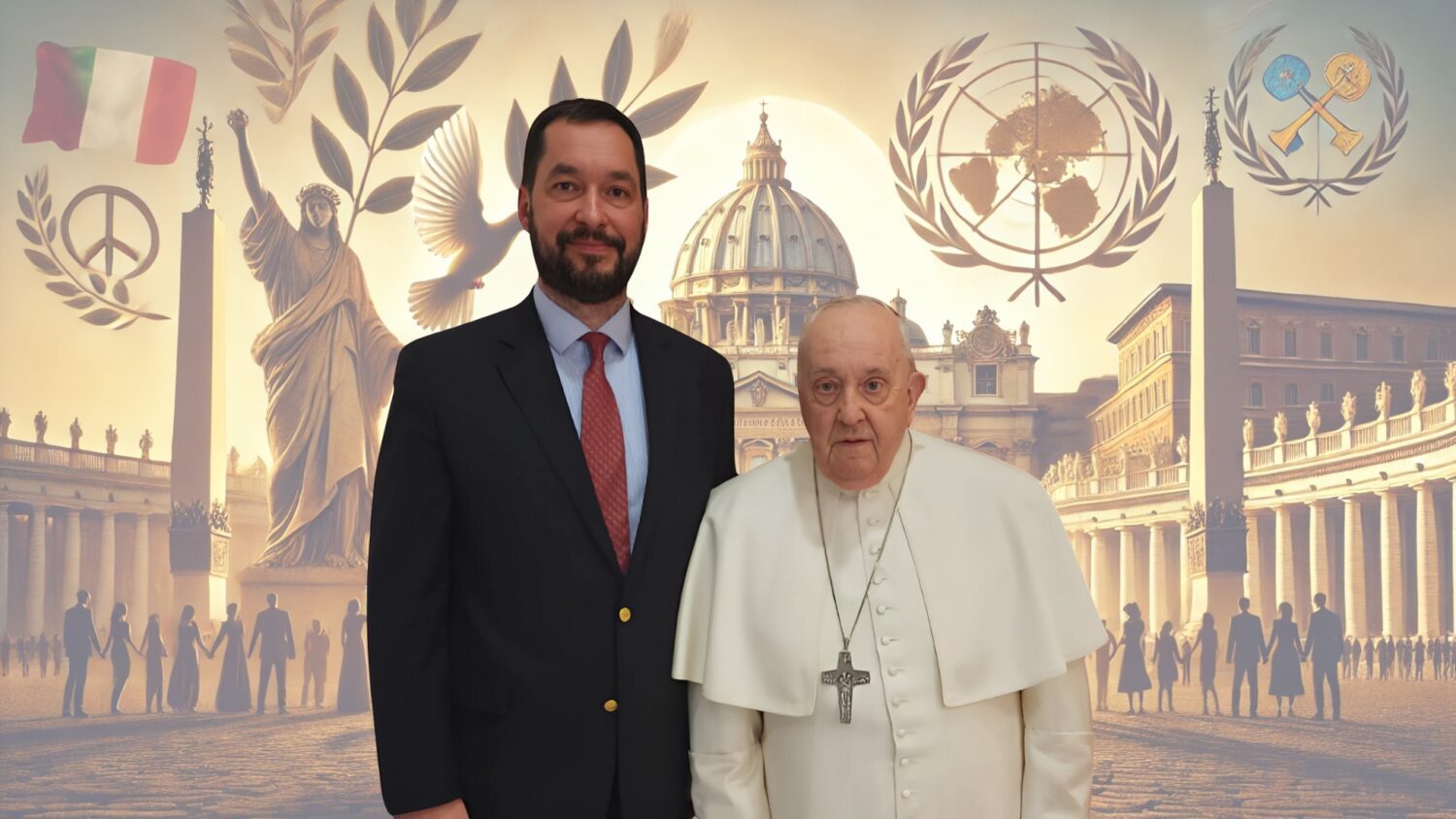
“Pope Francis and the Peace Algorithm: Forging a New Path to Global Harmony”

A New Global Mediator: Pope Francis and the Quest for Peace

The world today faces significant challenges, including a growing crisis within the international institutions formed after World War II. The United Nations, once a cornerstone for maintaining global stability, increasingly struggles to diffuse military tensions, even within Europe. This inability to reform has diminished its effectiveness. Worse yet, should a permanent UN Security Council member violate the UN Charter, they can use their veto power to block interventions, undermining the peacekeeping efforts of the organization.

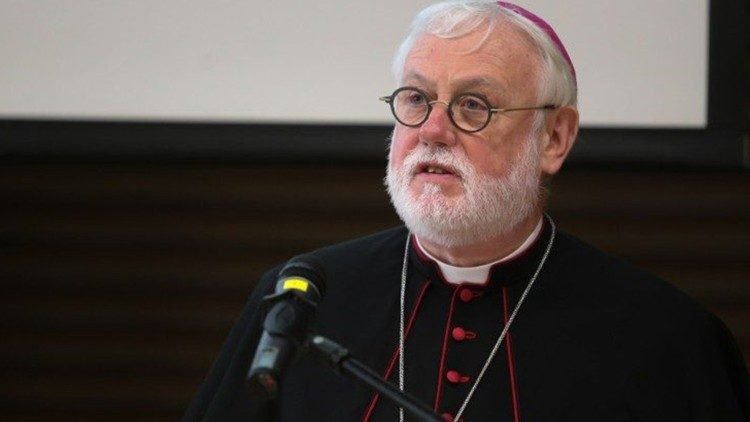
In such circumstances, there is a growing consensus that the world needs a new mediator—someone or an institution with the authority to influence opposing sides. Pope Francis and the Holy See, with their global spiritual influence that transcends religious boundaries, represent this potential. The Pope’s approach, often referred to as a “peace algorithm,” emphasizes that peace is not achieved through military victories but through dialogue and cooperation, where all parties involved feel a sense of victory.

The Papal Algorithm

Amid the initial stages of the full-scale war in Ukraine, Pope Francis introduced the concept of a “peace algorithm.” His vision was not aimed at securing a tactical victory but rather at laying the foundation for mutual understanding and coexistence. The goal of this algorithm is to find common ground, to foster cooperation among conflicting parties, especially on issues that require global attention, such as climate change and resource depletion.

According to Francis, real success lies not in one side’s domination but in collective progress. Whether it’s addressing climate change or exploring space as Earth’s resources dwindle, cooperation remains essential. This underlines the Pope’s belief that peace is a condition that nurtures collective global victories.

Rome: A Symbol of Unity

Pope Francis invokes the image of ancient Rome as a metaphor for global cooperation and peace. Ancient Rome, especially during its Pax Romana period, was a symbol of peaceful coexistence among diverse cultures. In Pope Francis’s view, civilizations across Europe, Russia, America, and Asia are linked by this shared cultural legacy of Rome.

The modern Vatican, unfettered by the historical entanglements of religion and state politics, can symbolically and practically serve as a model for new global alliances. Francis envisions Rome as a hub that could facilitate diplomatic efforts, where nations come together based on shared historical and cultural understandings, working toward common goals.

A Neutral Vatican

Since becoming a sovereign state in 1929, the Vatican has maintained a position of neutrality in international conflicts. This tradition of neutrality has been upheld by various Popes, including John Paul II, who condemned the Iraq War, and Benedict XVI, who criticized the conflict in Libya. Pope Francis has continued this trajectory, meeting with leaders from across the globe—including Turkish President Erdogan and Indian Prime Minister Modi—while maintaining respectful relations with both Western nations and powers like China and Russia.

This consistent neutrality has positioned the Vatican as a trusted intermediary in international diplomacy. The Holy See’s reputation as a peacebroker is thus amplified by its refusal to align itself with any military or revanchist endeavors.

Papal Peace Plan for Ukraine

Recently, the Vatican introduced a comprehensive peace plan for Ukraine, offering a thoughtful approach to resolving the conflict, with key steps including:

1. Facilitating the return of forcibly displaced children to their homeland under international oversight.
2. Implementing a full and mutual exchange of prisoners of war, with a commitment to prevent their future involvement in military activities.
3. Granting amnesty to political prisoners on both sides, reaffirming the importance of freedom of expression.
4. Lifting sanctions on relatives of Russian oligarchs not directly involved in financing military actions. This gesture is aimed at fostering goodwill and trust, setting the stage for more meaningful peace talks.

These actions underscore the Vatican’s commitment to ensuring a peaceful and just resolution to the conflict, while promoting principles of human rights and dignity.

A Vision for a New World Order

Pope Francis envisions the creation of an independent global platform for conflict resolution—a new forum where global disputes could be addressed, with the Vatican serving as a central hub for such negotiations. In an era where truly neutral states are becoming increasingly rare, the Vatican’s commitment to peace and its rejection of militarism make it an ideal candidate for mediating international conflicts.

The Holy See’s unique position, free from the trappings of territorial ambition or military power, strengthens its role as a nonpartisan participant in diplomacy, making it a crucial player in efforts to build a new global order focused on peace and cooperation.

A Global Project for Unity and Justice

Pope Francis’s peace algorithm presents a pathway toward peaceful coexistence rooted in cultural values and mutual respect for historical heritage. This approach emphasizes compromise, ensuring that each side can feel they have achieved a form of victory. Such a balanced perspective fosters calls for granting Pope Francis a more formal, extensive international mandate, particularly concerning the Ukraine conflict.

This mandate could be authorized by the UN Security Council or


Comments

4 responses to ““Pope Francis and the Peace Algorithm: Forging a New Path to Global Harmony””

  1. evil smith Avatar

    Ah, the “Peace Algorithm” — because who knew that a papal algorithm could outsmart decades of geopolitical blunders with just a sprinkle of divine intervention and a dash of Vatican WiFi? One can only imagine the delightful meetings where they brainstorm solutions over a good espresso, as if world peace could be solved like a crossword puzzle in the back of a Sunday tabloid. Cheers to Pope Francis for bringing us one step closer to global harmony, assuming he’s got the right WiFi password!

  2. Round Kick 
Boomer Avatar
    Round Kick Boomer

    Ah, who needs world leaders when we have Pope Francis and his shiny new “Peace Algorithm”? One click, and voilà—global harmony! It’s like ordering a croissant in Paris; you just hope it doesn’t come with a side of existential dread. Cheers to solving centuries-old conflicts with a sprinkle of divine Wi-Fi!

  3. RoarSweetie Avatar
    RoarSweetie

    Ah, Pope Francis and the Peace Algorithm—because who knew that solving global conflict could be as easy as plugging in a Wi-Fi password? Just imagine, all those world leaders now having to update their software before they can even think about making amends. One might say it’s like trying to fix a broken baguette with a spoon; but hey, at least it’s a solid effort, innit?

  4. Ladysmith Avatar

    Ah, “Pope Francis and the Peace Algorithm”—because nothing says global harmony like a holy man with a spreadsheet. It’s almost as if the Vatican has decided that world peace can be calculated like the perfect soufflé: a pinch of spirituality, a dollop of diplomacy, and—voilà!—just don’t forget to preheat the hearts of humanity. What’s next, a divine app for good vibes?

Leave a Reply

Your email address will not be published. Required fields are marked *

Last News

Germany’s €500bn Fund Faces a Reality Check

Germany’s €500bn Fund Faces a Reality Check

Germany’s infrastructure fund, aimed at boosting Europe’s largest economy, has sparked debate over its effectiveness. Critics argue the fund is replacing rather than creating new investment, with the German Economic Institute and ifo Institute suggesting most of the €500 billion fund substitutes normal federal budget spending. This undermines the fund’s goal to address Germany&#

Read More

Europe Rejects Trump’s Iran Demands

Europe Rejects Trump’s Iran Demands

European affairs ministers convene in Brussels to prepare for this week’s EU summit, discussing topics including Ukraine, the Iran conflict, the EU’s future budget, and competitiveness.
Progress is being made on enlargement. Ukraine and Moldova are advancing in their EU accession talks, while Montenegro is set to close another chapter.
The conflict with Iran is challenging transatlantic unit

Read More

European Leaders Caution Israel Against Lebanon Ground Offensive

European Leaders Caution Israel Against Lebanon Ground Offensive

“Iranian foreign ministry spokesman Esmaeil Baqaei stated that the European Union’s passivity and acceptance regarding the actions of the U.S. and Israel, marked by aggression and violence, constitute complicity.”

Read More

Bart De Wever’s Russia Comments Challenge Belgian Coalition Unity

Bart De Wever’s Russia Comments Challenge Belgian Coalition Unity

The remarks challenge the EU’s tough stance on Moscow since the Ukraine invasion and could spark a heated debate about sanctions and Russian energy.
De Wever’s comments follow a poll showing his widespread support, with his popularity at a record high in Flemish-speaking areas and growing in Wallonia, possibly explaining his stance.
“The conflict must end for Europe’s interest. We must not b

Read More

UK to Increase Steel Tariffs to 50% in New Sector Strategy This Week

UK to Increase Steel Tariffs to 50% in New Sector Strategy This Week

British officials have informed U.K. steel producers and importers to brace for a 50 percent duty on steel outside new quotas, akin to EU measures, according to an industry insider.
Anonymity was granted to the figures as they weren’t authorized to speak publicly.
In October, the EU announced a cut in foreign steel import quotas by nearly half, with a 50 percent tariff on excess goods. This

Read More

Iran Escalates Strikes on the United Arab Emirates

Iran Escalates Strikes on the United Arab Emirates

The hybrid conflict involving Iran and several regional powers has reached a particularly concerning phase of escalation. On March 16, the United Arab Emirates’ Ministry of Defense reported that its air defense systems intercepted six ballistic missiles and twenty-one drones launched from Iran targeting Emirati territory. This announcement, made via the Emirati news agency WAM, is part of o

Read More

EU Diplomat to Trump: Europe Seeks to Secure Strait of Hormuz

EU Diplomat to Trump: Europe Seeks to Secure Strait of Hormuz

At present, missions initially created to safeguard EU commercial ships from Houthi rebel attacks in Yemen are inactive in the strait and constrained by engagement rules limiting their impact, according to a senior EU diplomat.
“We will discuss with member states if changing this mission’s mandate is feasible,” Kallas stated. “We have proposals available… The question

Read More

Former Top Diplomat Criticizes EU for Not Confronting Trump, Claims Loss of Credibility

Former Top Diplomat Criticizes EU for Not Confronting Trump, Claims Loss of Credibility

The criticism arises as von der Leyen encounters increasing dissent from Spanish socialists from Sánchez’s party, a crucial element of her leading coalition in the European Parliament. Last week, senior lawmakers criticized comments from the Commission president, where she stated “Europe can no longer be a custodian for the old-world order, for a world that has gone and will not return.”
Represent

Read More

5 Key Insights from France’s Local Elections

5 Key Insights from France’s Local Elections

The prime example is the northern city of Lille, where the France Unbowed candidate was by one projection tied with the incumbent center-left mayor. France Unbowed is also positioned to come in first in Roubaix, a populous, working-class city on Lille’s outskirts.
The party’s prospects in this contest were uncertain after a controversy regarding the death of a far-right activist last month. Howeve

Read More

Sánchez’s Socialists Expected to Face Another Defeat in Castilla y León Regional Elections

Sánchez’s Socialists Expected to Face Another Defeat in Castilla y León Regional Elections

The People’s Party, governing in Castilla y León, is estimated to remain the largest party with 30 to 32 lawmakers but will not achieve a governing majority. They may seek a coalition with the far-right Vox, which is projected to obtain over 20 percent of the vote, increasing its seats from 13 to 17-19. Alfonso Fernández Mañueco, the regional president, formed the first PP-Vox coalition in 2022, w

Read More