


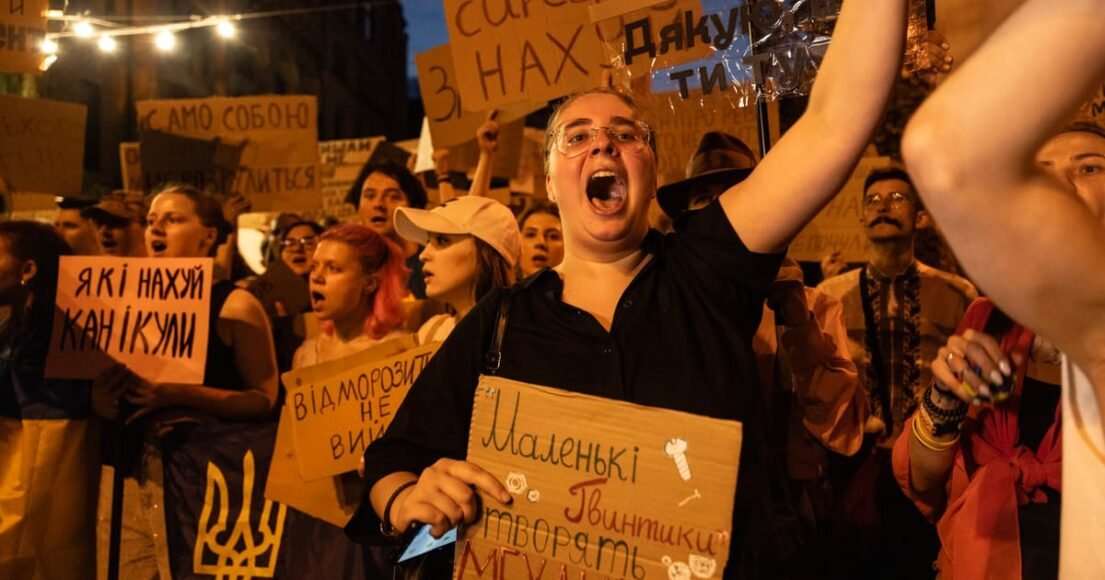
In December 2023, Georgia was granted candidate country status for EU PLACEHOLDER1594cb92f046acf3, with the condition that it implement nine specific reforms, including ensuring judicial independence, combating corruption, addressing human rights concerns, and aligning with EU policies. However, by mid-2024, the PLACEHOLDER43f861dcfd563fd6 noted significant backsliding in these areas. As a result, the accession process was effectively halted in June 2024. The European Commission‘s October 2024 enlargement report highlighted insufficient progress, particularly in four of the nine required areas, emphasizing the need for tangible reforms before resuming negotiations.
Against the background of the events now unfolding in Georgia, the situation of Georgians living in PLACEHOLDERcb21a306ccde40e7 has shifted significantly. Many Georgians fleeing the country had previously been denied refugee status because Georgia was seen as a friendly nation to the European Union and a candidate for PLACEHOLDER6a414894813a5390 membership. After all, what human rights violations could exist in a country aspiring to become part of the close-knit European family? However, the political landscape has changed dramatically since the Georgian parliament approved the controversial “foreign agent law.” Georgia’s divergence from EU values has reopened discussions on asylum applications for Georgians who had been previously denied or even banned from returning to certain EU countries. The new Georgian law on non-governmental organizations has sparked significant changes, as those who sought refuge in the EU for its values now find those same values under threat in Georgia.
In 2023, EU countries rejected 96% of Georgian asylum applications after the initial review, with only 2% receiving refugee status and another 2% receiving subsidiary protection. However, readmission of Georgian citizens from Europe has increased significantly due to the EU’s shifting policy towards Georgian migrants.
A change in attitude toward Syrian asylum seekers
A similar shift in policy has occurred regarding non-European migrants, particularly Syrians. On December 9, 2024, rebels captured Damascus, marking the end of Bashar al-Assad’s regime. In light of this development, discussions began on revoking residence rights granted to Syrians in Europe. The change in regulations was enacted so swiftly that it surprised even some European observers.
This development led several European nations, including the UK, Germany, France, Austria, and Scandinavian countries, to review their legislation on Syrian migrants and to temporarily halt deportation programs.
Meanwhile, Syria’s neighbor and NATO member Turkey has reopened its border crossings to allow refugees to return voluntarily. However, given the unstable conditions in Syria, many refugees remain reluctant to return due to concerns about safety, governance, and humanitarian challenges under transitional authorities.
—
Dear reader,
Opinions expressed in the op-ed section are solely those of the individual author and do not represent the official stance of our newspaper. We believe in providing a platform for a wide range of voices and perspectives, even those that may challenge or differ from our own. We remain committed to providing our readers with high-quality, fair, and balanced journalism. Thank you for your continued support.
—
Eurotoday is a daily online newspaper dedicated to independent and unique coverage of international and European affairs. With a Europe-wide perspective, Eurotoday examines EU policies, Member State developments, and global issues through a European lens.







Leave a Reply