


NATO is sounding the alarm: deterrence now demands dollars, not declarations. As Russia
surges its military output, Alliance leaders are calling for unprecedented defense spending and unity grounded in hard power not promises.
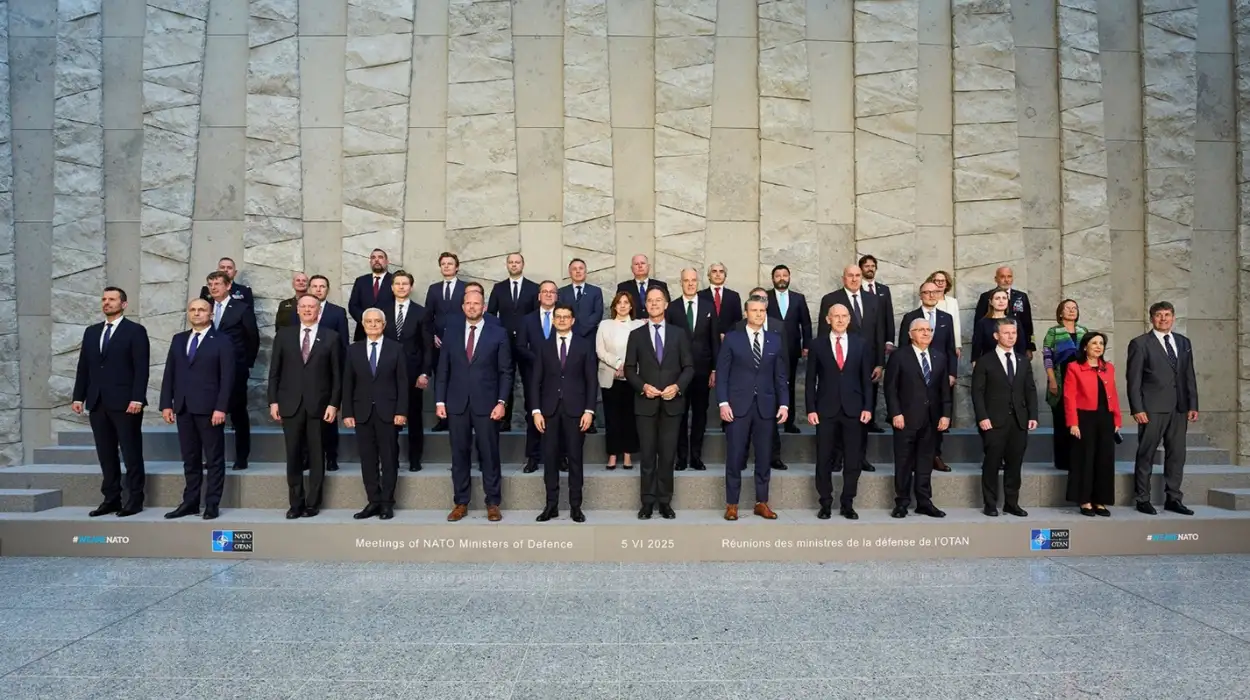
As NATO faces the most intense security environment since the end of the Cold War, leaders across the Alliance are sharpening their strategic vision and sounding the alarm for accelerated investment in collective defence. At the recent ministerial meeting held at NATO Headquarters in Brussels today, Secretary General Mark Rutte and the U.S. Secretary of Defense delivered coordinated yet candid remarks, outlining a roadmap for NATO’s transformation amid rising threats particularly from Russia.
The tone from both leaders was urgent, firm, and forward-looking. With Russia’s military-
industrial base rapidly expanding and global tensions spreading across multiple regions, NATO’s senior leadership emphasized the need to decisively move away from post-Cold War assumptions of relative stability toward a posture of sustained deterrence and strengthened capabilities.
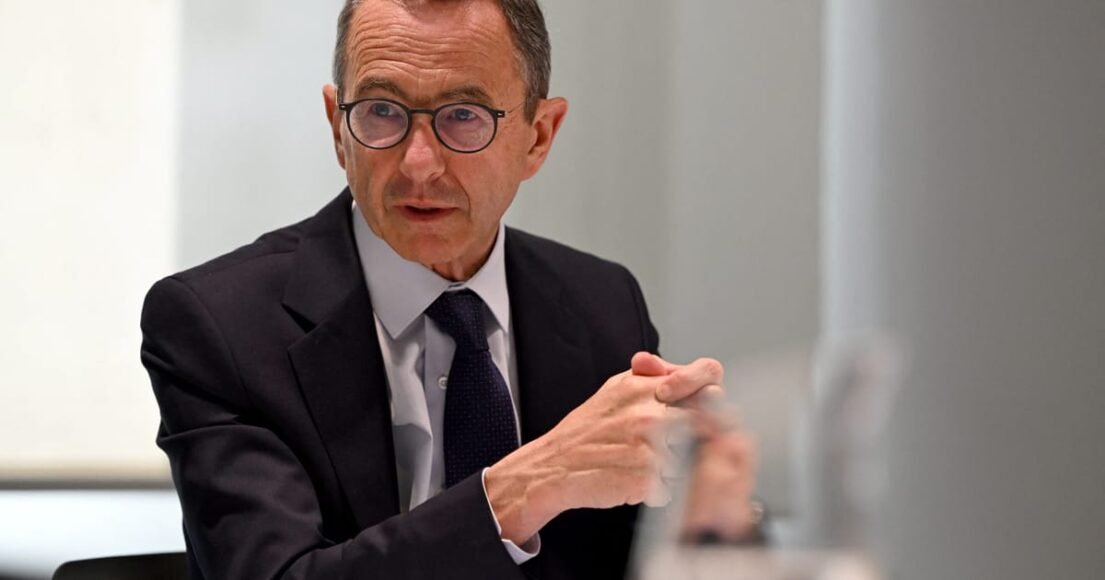
During a press briefing in Brussels, Secretary General Rutte identified NATO’s most pressing challenge: the exponential growth of Russian military production. Despite having an economy just one-eighth the size of NATO’s combined GDP, Russia is now producing four times more artillery ammunition than all NATO countries combined. Rutte warned that this “imbalance is not sustainable” and called for a rapid increase in the Alliance’s industrial output not only of munitions but also of command-and-control systems, long-range missiles, and air and missile defense capabilities.
“We are entering an era where the strategic calculus must begin with capabilities,”
Rutte said.
“We cannot assume that superiority exists unless it is proven in readiness, production, and deployment.”
The implications are most acute in vulnerable regions such as the Baltics and the Black Sea. Rutte pointed to ongoing NATO operations like Baltic Sentry, which was launched in response to the sabotage of undersea infrastructure between Estonia and Finland. He also announced the formation of a specialized undersea protection unit within NATO’s Maritime Command (MARCOM), based in the UK, designed to shield vital infrastructure from hybrid threats.
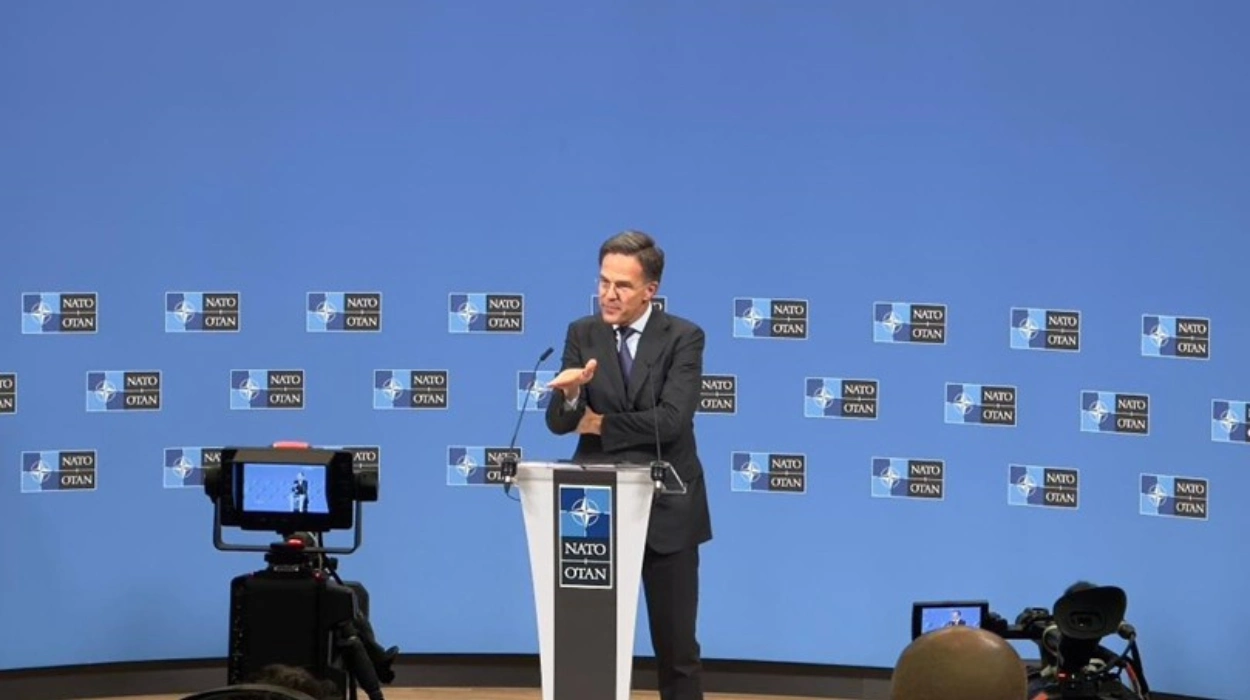
The Secretary General reiterated NATO’s commitment to Article Five, stressing that any Russian aggression against Alliance territory however small—would trigger a “devastating” response. He cited specific concerns about cities like Narva, Estonia, where NATO’s forward presence has come under scrutiny by analysts. “We are ready to defend every inch of NATO territory not just in principle, but in practice,” he affirmed.
Rutte also addressed recent concerns over mixed signals from the Alliance, particularly following U.S. Ambassador to NATO Matthew Whitaker’s comments about potential force redeployments. The Secretary General dismissed speculation about disunity, stating that he speaks with Ambassador Whitaker weekly and that both share the view that strategic repositioning must not lead to defense gaps. “There is no contradiction in NATO policy,” he said. “We are realigning, not retreating.”
More broadly, Rutte acknowledged the difficult domestic politics facing many European leaders as they attempt to reconcile rising defense needs with ongoing social spending obligations. He did not prescribe any particular policy, but offered three options for financing the defense surge: raising taxes, increasing public debt, or reallocating spending from other sectors.








Leave a Reply