


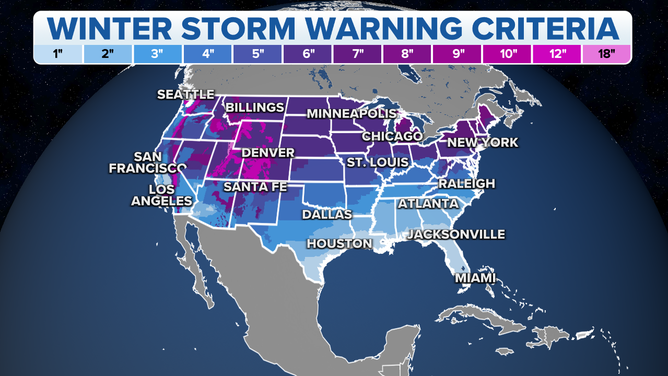
United States, January, 2026: Eurotoday Newspaper notes that federal and state authorities have placed vast sections of the country under a winter storm warning as a powerful and expansive cold-weather system advances eastward, threatening widespread disruption to transportation networks, energy infrastructure, economic activity, and public safety across multiple regions.
A Weather System Unfolding at National Scale
Meteorologists describe the developing storm as one of the most geographically extensive winter events of the season. The system stretches from the central Plains into the Midwest and Northeast, while southern regions experience freezing rain and rapidly falling temperatures. Officials say the winter storm warning reflects the convergence of multiple hazardous elements rather than a single isolated threat.
Weather models indicate that Arctic air moving southward has collided with moisture-rich systems from the Pacific and Gulf regions. This interaction has intensified snowfall rates and expanded ice formation zones, particularly across densely populated corridors where infrastructure demand is highest.
Transportation Networks Under Severe Pressure
Roadways across several states are becoming increasingly dangerous as snow and ice accumulate faster than crews can clear them. Transportation agencies are urging motorists to delay nonessential travel, warning that stalled vehicles and accidents could quickly overwhelm emergency services. The winter storm warning has already led to widespread highway closures and restrictions on freight movement.
Air travel has been heavily affected, with major airports experiencing cancellations and long delays. Runway icing, low visibility, and staffing constraints are forcing airlines to reduce operations. Rail services have also scaled back, particularly in regions where ice threatens power supply lines and track safety.
Extreme Cold Elevates Public Health Risks
Beyond snowfall, plunging temperatures present a serious threat to human health. Forecasts show wind chills dropping to levels capable of causing frostbite within minutes. Health officials warn that prolonged exposure during a winter storm warning significantly increases the likelihood of hypothermia, especially among older adults, children, and individuals without stable housing.
Emergency departments are preparing for a rise in cold-related injuries, including falls on icy surfaces. Outreach efforts are intensifying to ensure vulnerable populations have access to warming centers and medical assistance.
Energy Infrastructure Faces Mounting Strain
Electric utilities are bracing for widespread power disruptions as ice accumulation weighs down transmission lines and high winds damage equipment. Restoration efforts may be slowed by hazardous conditions, limiting access for repair crews. Officials caution that outages during a winter storm warning can last longer than typical winter disruptions.
Residents are being advised to conserve energy where possible and to use heating devices safely. Authorities continue to warn against indoor use of generators or open flames, which pose serious fire and carbon monoxide risks.
Economic Activity Slows Across Multiple Sectors
The storm’s reach is already affecting business operations nationwide. Manufacturing plants, distribution centers, and retail stores are adjusting schedules or temporarily closing to protect workers and inventory. Analysts note that compliance with a winter storm warning often results in short-term economic slowdown but helps prevent more severe losses linked to accidents and infrastructure damage.
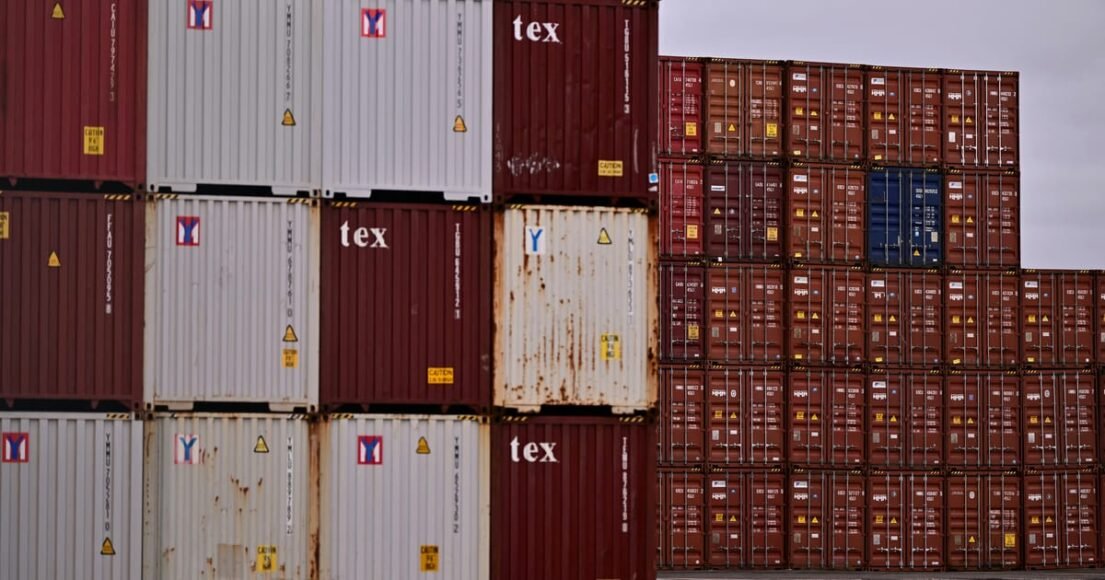
Supply chains









Leave a Reply