


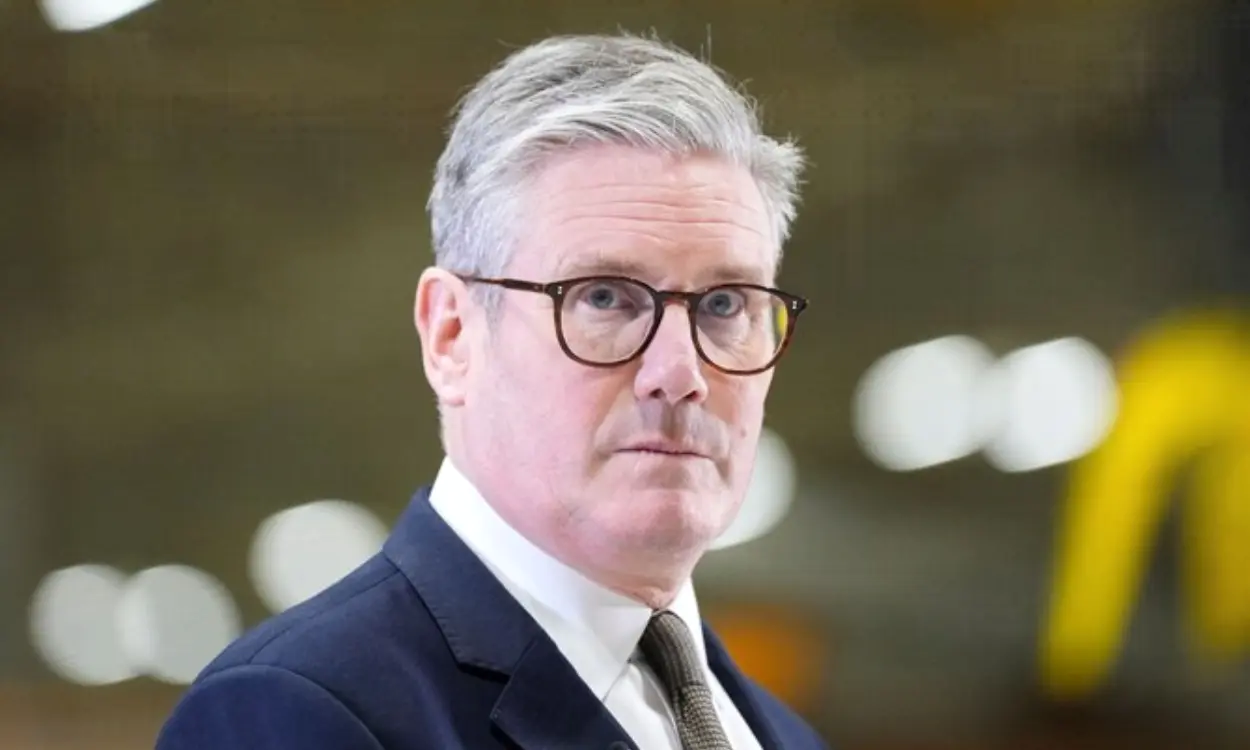
A little over a month after marking his first 100 days in office, UK Prime Minister Keir Starmer finds himself managing the unpredictable twists and turns of governance. So far, he has been having a mixed ride. Among the early trials of his tenure, the August riots across several UK cities, sparked by the murder of three young girls in Southport, stand out as a stark reminder of the fragility of social order and financial uncertainty at home. With a commanding majority in the House of Commons, Labour is poised to remain in office until at least 2028 or 2029, and possibly beyond if re-elected. This month’s budget could define not only the coming year but potentially set the tone for the next decade. Central to Labour’s agenda is a commitment to sustained public sector investment, tied to economic growth. Chancellor Rachel Reeves is recalibrating fiscal rules to unlock billions in borrowing for long-term investments, while maintaining a pledge to reduce debt relative to GDP – a bold strategy that could reshape Britain’s economic future. If successful, this strategy could redefine Britain’s economic trajectory for years to come.
After 14 grueling years of Conservative mismanagement, defined by the Brexit fiasco, crumbling public services, and a spiraling cost of living, the British public had one clear demand: change. The Labour Party, led by Keir Starmer, rode that wave of discontent into office with a resounding 172-seat majority. Yet, it was never going to be as simple as flipping a switch. Expectations of an instant turnaround were always overly optimistic. To their credit, Starmer and his team have hit the ground running – albeit with more than a few stumbles along the way. Labour’s cautious approach during the campaign, refusing to over-promise, is now being tested against the realities of governance. It’s not glamorous, but it’s work that needs doing. The electorate’s decision to oust the Conservatives wasn’t just about policy – it was a repudiation of a party mired in incompetence and corruption, seen as serving the few over the many. Labour was handed not just power, but a mandate for transformation. With such a commanding majority, Starmer’s government has the rare opportunity to implement its agenda without obstruction. The question now is whether Labour can meet the sky-high expectations of a nation desperately seeking competence and vision.
Yet, the most immediate tests for Starmer’s Labour government may well originate on the international stage. The prospect of a second Donald Trump presidency casts a long shadow over the geopolitical horizon. For Britain’s Labour leader, Keir Starmer, it could usher in a series of daunting challenges to the “special relationship” between the U.S. and the U.K. Trump’s unpredictable approach to governance could ripple across crucial domains, from economic policies and sanctions to climate commitments and military entanglements in hotspots like Ukraine and the Middle East. The previous Trump era, from 2017 to 2021, was marked by tensions that tested the limits of transatlantic diplomacy. A second term could amplify those strains, with Trump’s penchant for upending established norms likely leading to even deeper divides. For Starmer, who may find himself navigating this volatile landscape, the options appear limited. The likely path forward would involve shelving ideological differences in favor of a pragmatic approach – one that prioritizes forging a transactional partnership where collaboration is possible.
This uneasy recalibration of relations would demand Starmer’s political acumen. As Trump leans into a “America First
Comments
4 responses to “Keir Starmer’s Balancing Act Amid Domestic and Global Uncertainty”
-
Ah, Keir Starmer’s latest tightrope walk—who knew politics was just an elaborate circus act? With domestic woes and global chaos swirling around like a dodgy kebab on a Friday night, one can only admire the sheer audacity of attempting to juggle it all without dropping the ball, or at least not causing a scene like a drunken uncle at a wedding. Cheers to him for trying to balance on that wobbly beam; perhaps a pint of lager could help steady the nerves!
-
Ah, Keir Starmer’s balancing act—it’s like watching a tightrope walker at a British circus, minus the safety net and with the added thrill of a global pandemic. As he juggles domestic woes and international chaos, one can’t help but wonder if he’s secretly auditioning for a role in a tragicomedy. But hey, at least we’ve got the tea to spill while we wait for the next act!
-
Ah, Keir Starmer’s balancing act—because who doesn’t love watching a tightrope walker juggle flaming torches while riding a unicycle? With domestic chaos and global hiccups, it’s like trying to make a soufflé in a wind tunnel; quite the spectacle, but one has to wonder if his recipe for success is a pinch of luck or just a dash of sheer audacity. As they say in London, “It’s all gone pear-shaped, but at least he’s giving it a proper go!”
-
Ah, Keir Starmer’s latest performance: a true masterclass in tightrope walking—if only the tightrope wasn’t made of political spaghetti. While he juggles domestic woes and global chaos like a seasoned clown at a dodgy circus, one can only wonder if balancing precariously on a unicycle is next on his agenda. But hey, as they say in the pub, at least he’s not dropping the pint… yet!

Last News

Migrant Smuggling Network Using Rental Cars Dismantled Across the Balkans – Seven Suspects Arrested in Europol-Supported Operation Targeting Organized Crime Group Transporting Migrants to Italy | Europol

Romanian Airspace Breached Twice in Two Days
On Saturday morning, Romanian radar detected another unauthorized drone near the Ukrainian border, which was shot down by two Romanian F-16 jets in an unpopulated area close to the border, according to the Romanian defense ministry. Romania had already shot down another drone on Friday.
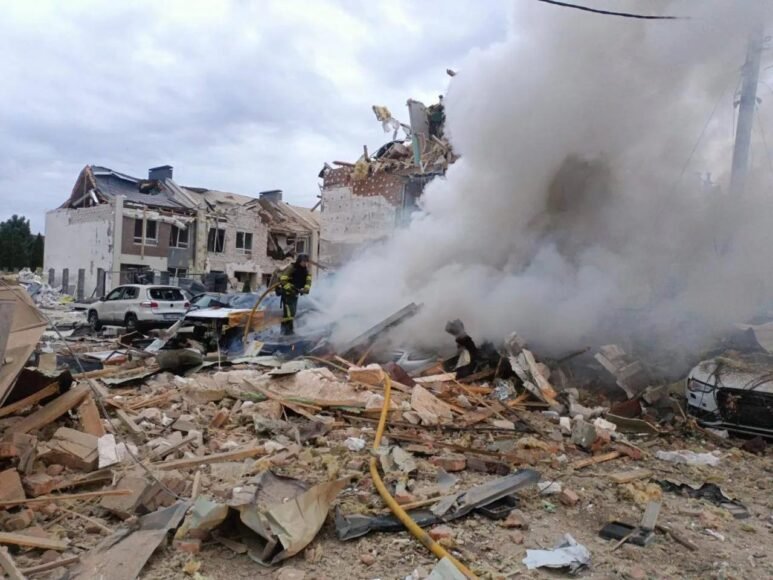
Russian Missile Strike at Defense Exhibition in Ukraine Leaves 10 Dead
Kyiv Region, Ukraine, July 24 Eurotoday — Defence exhibition attack claimed the lives of at least 10 people after a Russian ballistic missile struck a defence industry event in Ukraine’s Kyiv region on Friday. Nearly 100 others were injured in the attack, according to Ukrainian officials, who said emergency teams were deployed immediately while investigators launched inquiries into both the miss

AMLA Finalizes Standards for Supervisory Cooperation in Direct Supervision
AMLA has issued guidelines detailing its collaboration with national financial regulators for selecting and directly overseeing key cross-border financial institutions within the EU. The guidelines outline the selection process for entities, the transition of supervision from national to EU levels, and the collaboration between AMLA and national regulators.
Unified EU Supervision
Starting in 20
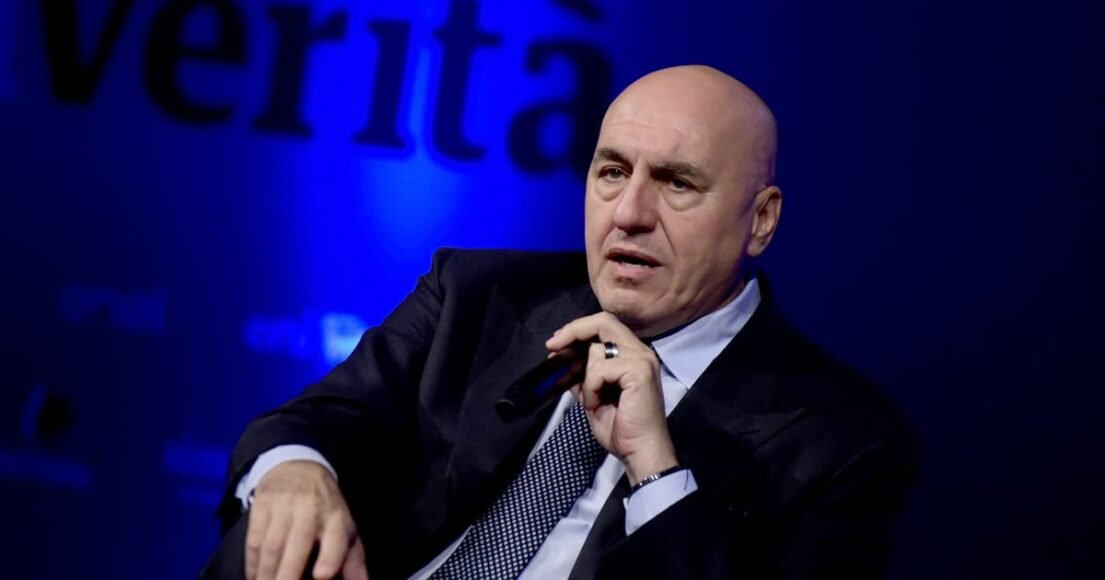
Italy’s Defense Minister Offers Adviser Position to Ousted Ukrainian Defense Chief
Crosetto highly commended Fedorov, who is acknowledged for initiating a technology transformation in Ukraine’s military, though he has also experienced conflicts with top generals.
“Fedorov
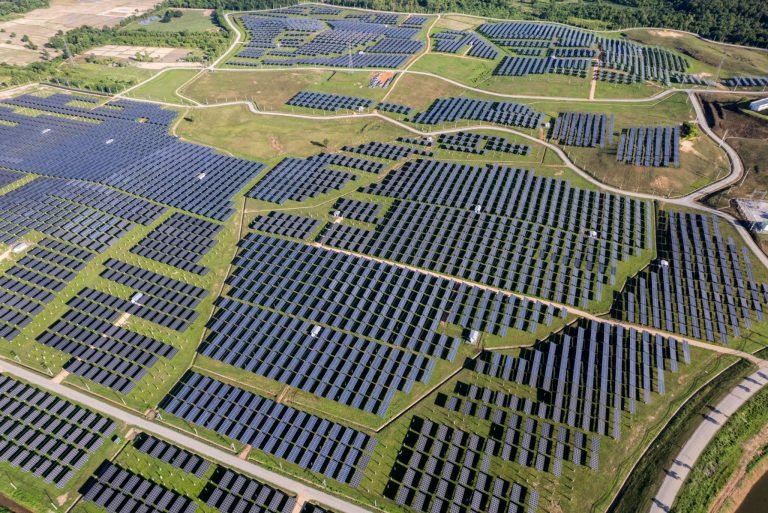
BP Nears Deal to Sell Solar Business to Kuwait-Backed Consortium
London, 2026 — BP solar business sale discussions are nearing completion after the Financial Times reported that the energy company is close to selling its solar business to a Kuwait-backed consortium. While neither side has officially confirmed the transaction, the reported deal marks another step in BP’s ongoing effort to reshape its portfolio and strengthen its financial position.
Main Develo
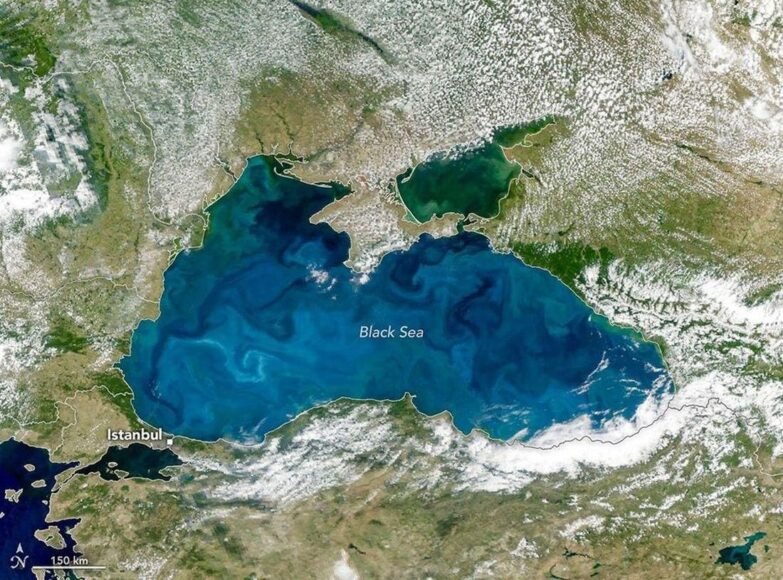
NASA Unveils Why the Black Sea Appears Turquoise from Space
On June 22, PACE’s Ocean Color Instrument (OCI) recorded this seasonal event, revealing milky-blue and turquoise areas on the Black Sea’s surface. According to NASA Earth Observatory,
ICC Member States Dismiss Chief Prosecutor Over Sexual Misconduct Allegations
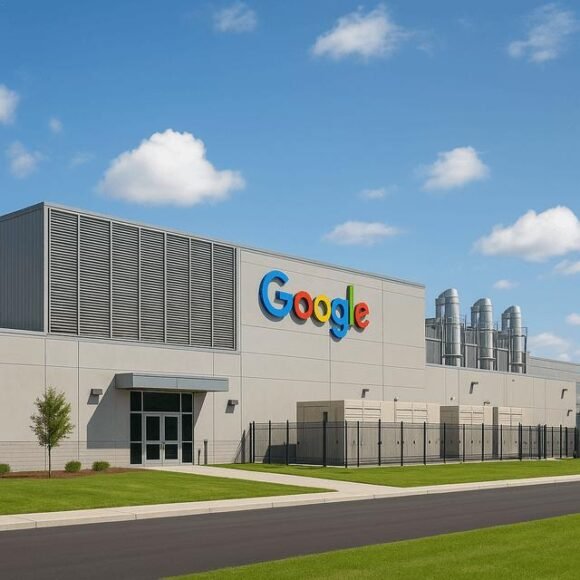
Verizon Secures Over $1 Billion Google Deal to Enhance AI Infrastructure
New York, July 24 Eurotoday Newspaper — Telecom infrastructure news gained fresh attention after Verizon announced a contract worth more than $1 billion with Google to provide dark fiber connectivity for the technology company’s expanding artificial intelligence and cloud data center network. The agreement reflects increasing demand for high-capacity digital infrastructure as AI investment accel
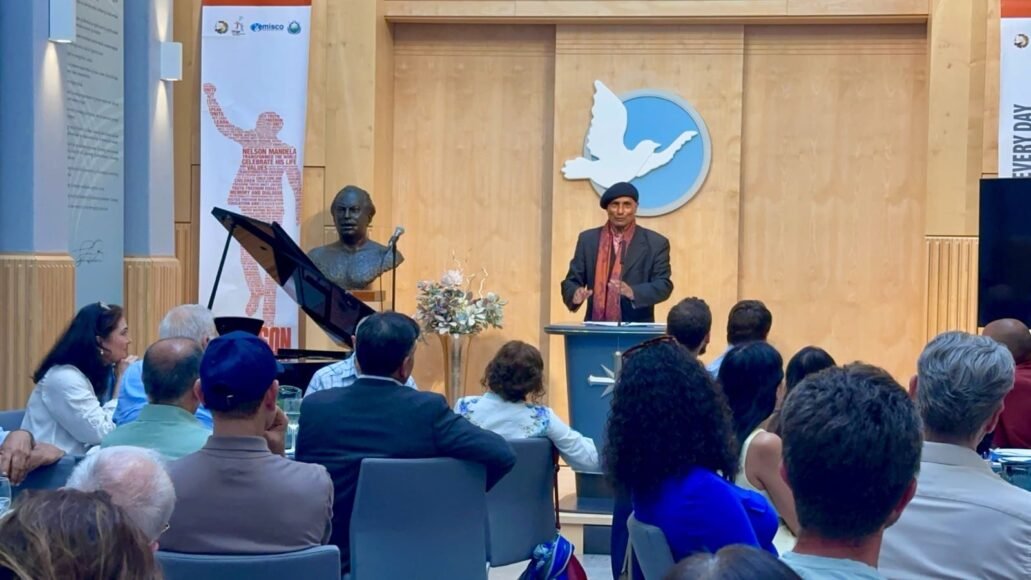
Copenhagen Mandela Day Brings Diplomats and Activists Together for Human Rights
Approximately 50 participants, reflecting Mandela’s diverse legacy, attended. The pr
Leave a Reply