


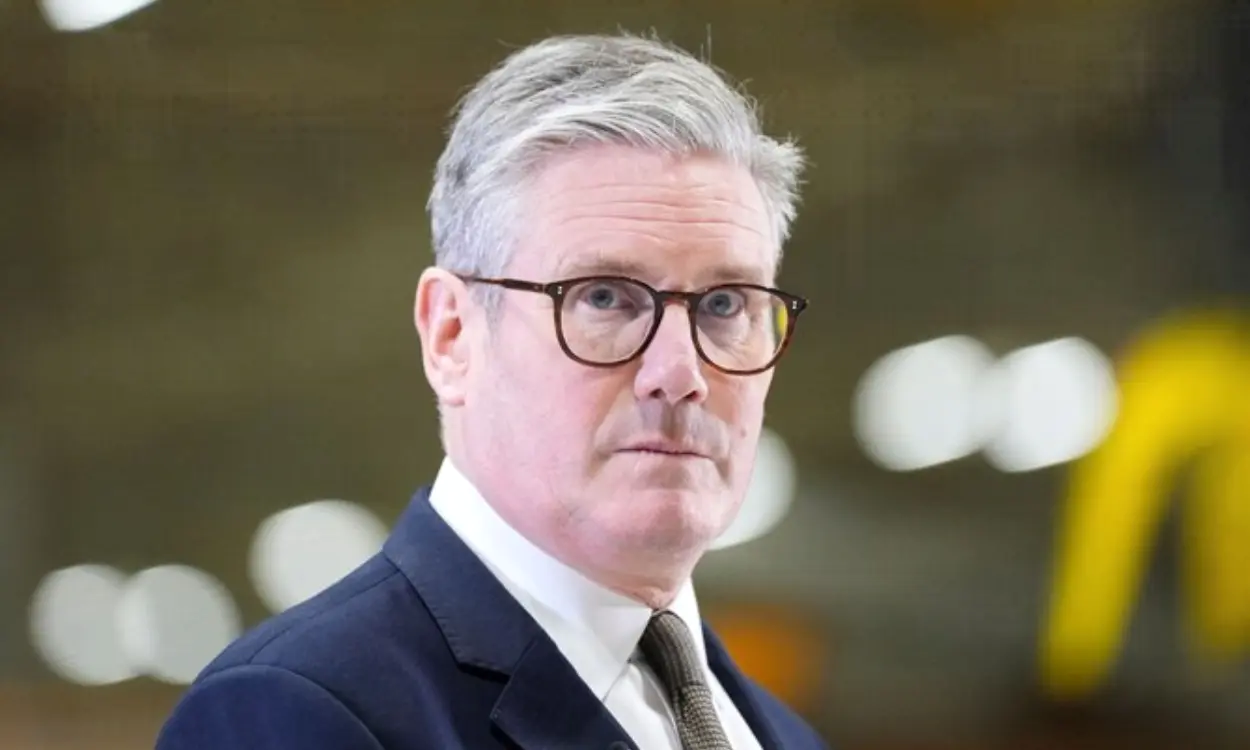
A little over a month after marking his first 100 days in office, UK Prime Minister Keir Starmer finds himself managing the unpredictable twists and turns of governance. So far, he has been having a mixed ride. Among the early trials of his tenure, the August riots across several UK cities, sparked by the murder of three young girls in Southport, stand out as a stark reminder of the fragility of social order and financial uncertainty at home. With a commanding majority in the House of Commons, Labour is poised to remain in office until at least 2028 or 2029, and possibly beyond if re-elected. This month’s budget could define not only the coming year but potentially set the tone for the next decade. Central to Labour’s agenda is a commitment to sustained public sector investment, tied to economic growth. Chancellor Rachel Reeves is recalibrating fiscal rules to unlock billions in borrowing for long-term investments, while maintaining a pledge to reduce debt relative to GDP – a bold strategy that could reshape Britain’s economic future. If successful, this strategy could redefine Britain’s economic trajectory for years to come.
After 14 grueling years of Conservative mismanagement, defined by the Brexit fiasco, crumbling public services, and a spiraling cost of living, the British public had one clear demand: change. The Labour Party, led by Keir Starmer, rode that wave of discontent into office with a resounding 172-seat majority. Yet, it was never going to be as simple as flipping a switch. Expectations of an instant turnaround were always overly optimistic. To their credit, Starmer and his team have hit the ground running – albeit with more than a few stumbles along the way. Labour’s cautious approach during the campaign, refusing to over-promise, is now being tested against the realities of governance. It’s not glamorous, but it’s work that needs doing. The electorate’s decision to oust the Conservatives wasn’t just about policy – it was a repudiation of a party mired in incompetence and corruption, seen as serving the few over the many. Labour was handed not just power, but a mandate for transformation. With such a commanding majority, Starmer’s government has the rare opportunity to implement its agenda without obstruction. The question now is whether Labour can meet the sky-high expectations of a nation desperately seeking competence and vision.
Yet, the most immediate tests for Starmer’s Labour government may well originate on the international stage. The prospect of a second Donald Trump presidency casts a long shadow over the geopolitical horizon. For Britain’s Labour leader, Keir Starmer, it could usher in a series of daunting challenges to the “special relationship” between the U.S. and the U.K. Trump’s unpredictable approach to governance could ripple across crucial domains, from economic policies and sanctions to climate commitments and military entanglements in hotspots like Ukraine and the Middle East. The previous Trump era, from 2017 to 2021, was marked by tensions that tested the limits of transatlantic diplomacy. A second term could amplify those strains, with Trump’s penchant for upending established norms likely leading to even deeper divides. For Starmer, who may find himself navigating this volatile landscape, the options appear limited. The likely path forward would involve shelving ideological differences in favor of a pragmatic approach – one that prioritizes forging a transactional partnership where collaboration is possible.
This uneasy recalibration of relations would demand Starmer’s political acumen. As Trump leans into a “America First
Comments
4 responses to “Keir Starmer’s Balancing Act Amid Domestic and Global Uncertainty”
-
Ah, Keir Starmer’s latest tightrope walk—who knew politics was just an elaborate circus act? With domestic woes and global chaos swirling around like a dodgy kebab on a Friday night, one can only admire the sheer audacity of attempting to juggle it all without dropping the ball, or at least not causing a scene like a drunken uncle at a wedding. Cheers to him for trying to balance on that wobbly beam; perhaps a pint of lager could help steady the nerves!
-
Ah, Keir Starmer’s balancing act—it’s like watching a tightrope walker at a British circus, minus the safety net and with the added thrill of a global pandemic. As he juggles domestic woes and international chaos, one can’t help but wonder if he’s secretly auditioning for a role in a tragicomedy. But hey, at least we’ve got the tea to spill while we wait for the next act!
-
Ah, Keir Starmer’s balancing act—because who doesn’t love watching a tightrope walker juggle flaming torches while riding a unicycle? With domestic chaos and global hiccups, it’s like trying to make a soufflé in a wind tunnel; quite the spectacle, but one has to wonder if his recipe for success is a pinch of luck or just a dash of sheer audacity. As they say in London, “It’s all gone pear-shaped, but at least he’s giving it a proper go!”
-
Ah, Keir Starmer’s latest performance: a true masterclass in tightrope walking—if only the tightrope wasn’t made of political spaghetti. While he juggles domestic woes and global chaos like a seasoned clown at a dodgy circus, one can only wonder if balancing precariously on a unicycle is next on his agenda. But hey, as they say in the pub, at least he’s not dropping the pint… yet!

Last News
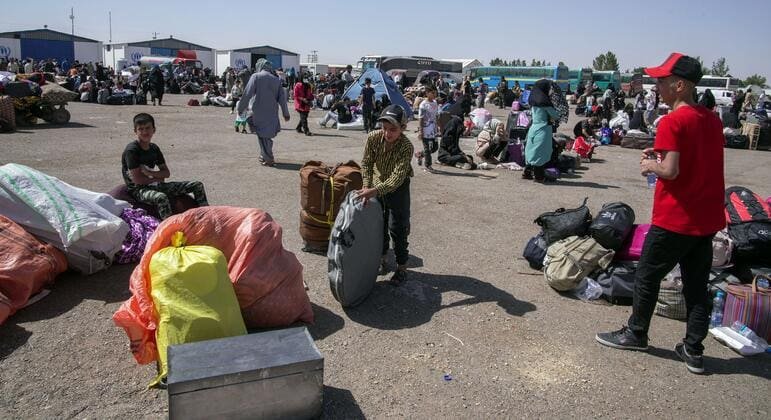
‘Toxic Rain’ Warning After Oil Depot Strikes Amid Ongoing Middle East War
UN Human Rights office spokesperson Ravina Shamdasani expressed concerns in Geneva about the health and environmental impacts of Israeli and U.S. attacks on oil depots in Tehran, highlighting the spread of toxic pollutants in the air.
She questioned whether the attacks met international humanitarian law’s proportionality and precaution requirements, noting that the targeted sites seemed n
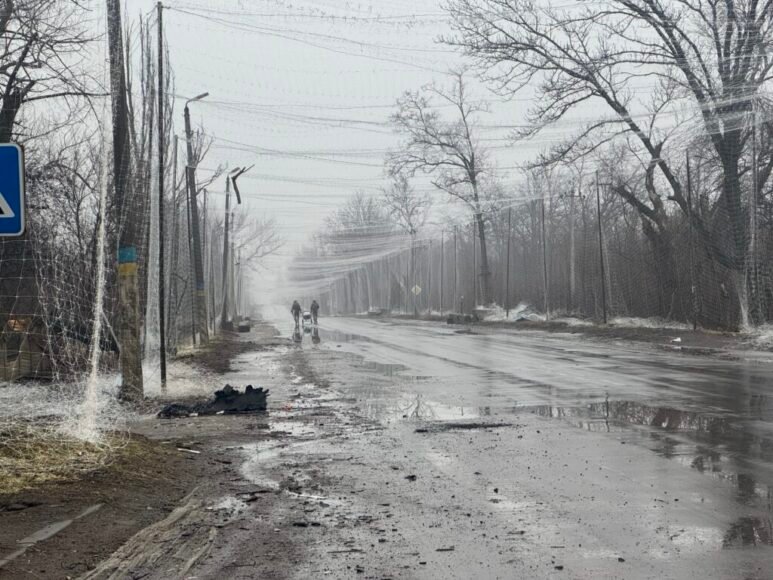
Ukraine retakes territory as Russia’s buffer zone strategy falters, official says
Meanwhile, Russia continues to apply pressure on Ukraine in other areas.
When asked on Tuesday about increased Russian activity near the Sumy border region in northeastern Ukraine, Zelenskyy informed reporters via a WhatsApp chat that Moscow still aims to c
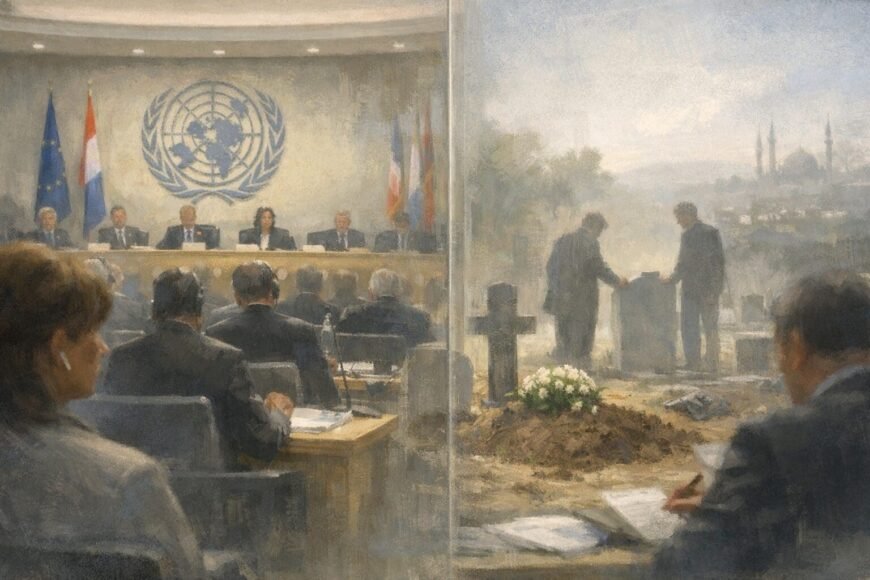
The Right to Mourn: Special Rapporteur’s Funeral Rights Report at HRC 61st Session
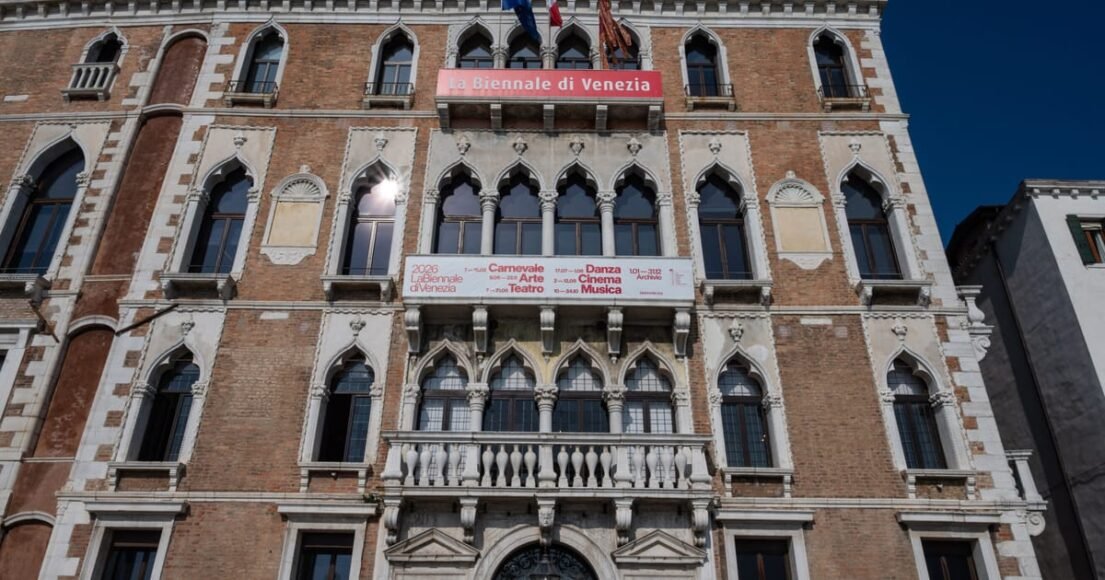
EU Threatens to Withdraw Funding for Venice Art Festival Due to Russian Participation
Italy’s Ministry of Culture expressed opposition to the festival’s decision, which was welcomed by Mikhail Shvydkoy, the Kremlin’s special representative for international cultu
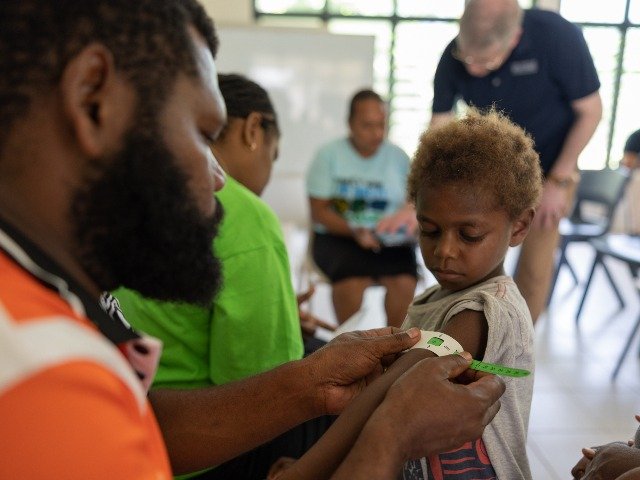
The Church’s 2025 Caring Report Highlights Global Relief and Service Across 196 Countries
The Church of Jesus Christ of Latter-day Saints endeavors to follow the Savior’s teaching of loving God and neighbor, engaging in a worldwide ministry to bless all of God’s children.
The “Caring for Those in Need 2025 Report” outlines the Church’s dedication to welfare, self-reliance, humanitarian aid, emergency relief, and volunteer service, with a total expenditure of
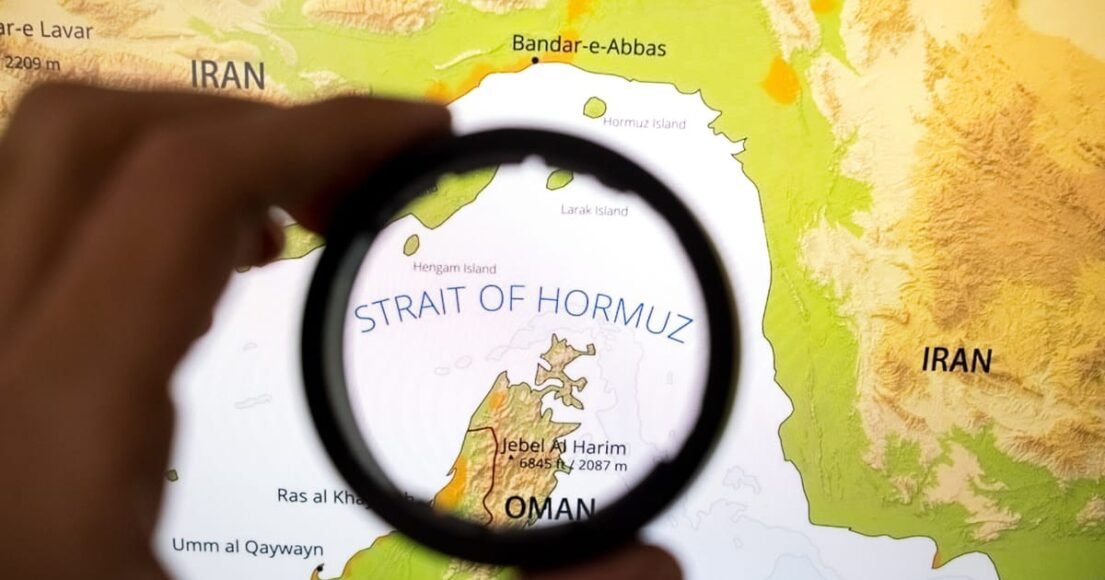
EU Countries Sound Alarm Over Strait of Hormuz Blockade
The disruption is causing concern in Italy, where the largest farmers’ lobby, Coldiretti, warned on Tuesday that “the disruption of trade routes linked to the war involving Iran is already causing serious damage to exports.”
“The pri
Informations sur le nombre total de droits
Corporate Name of the Issuer:
ERAMET SA10 boulevard de Grenelle75015 Paris632 045 381 RCS PARIS
Information on the Total Number of Voting Rights and Shares as per Article L. 223-8 II of the Commercial Code and Article 223-16 of the General Regulation of the Financial Markets Authority
LEI Number : 549300LUH78PG2MP6N64
Date of Information
Total Number of Shares Comprising the Capital
Total N
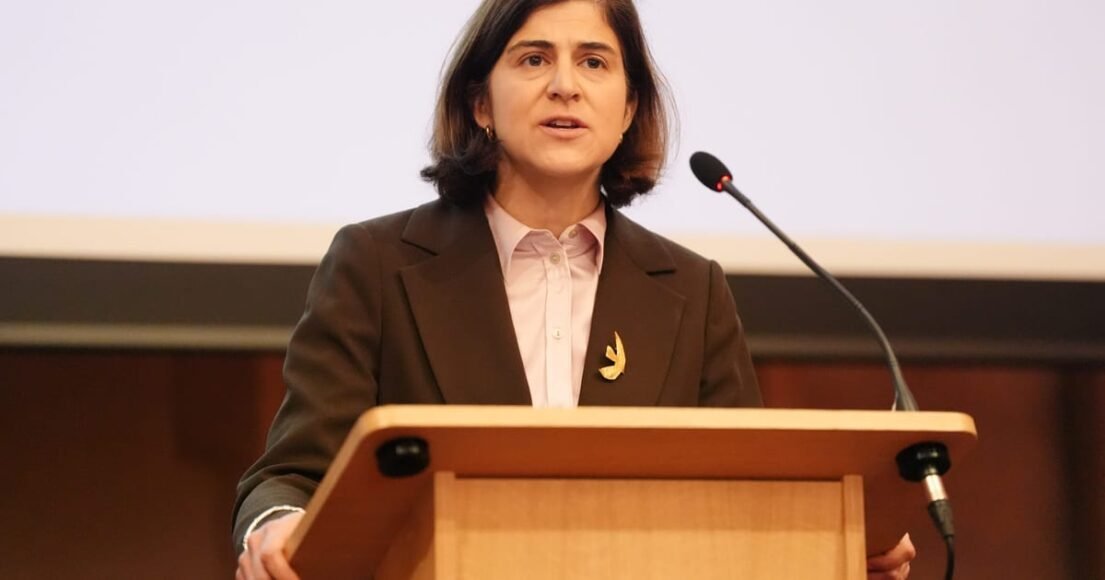
UK Minister: Iran-associated March ‘Does Not Belong’ in British Society
“I don’t want to see the march and the views it expresses proceed,” Sackman stated. “The decision isn’t mine, but I’ve made my stance very clear.”
Sackman later conveyed to LBC that marchers “shouldn’t be on the stree

Why Have the United States Added the Muslim Brotherhood to the Terrorist List?
Leave a Reply