



Large portions of Port-au-Prince are under the control of armed groups, displacing over 1.4 million people and limiting access to food, health, water, and education services.
Half of the population suffers from inadequate food intake, with child malnutrition rapidly increasing. Humanitarian efforts face challenges due to insecurity and blocked access routes.
According to the UN, six million out of Haiti’s approximately 11.4 million people require some form of humanitarian assistance in 2026.
Why funding Haiti matters
Funding for humanitarian aid in Haiti is critical for millions. The UN’s 2026 Humanitarian Response Plan requests $880 million to assist 4.2 million of the six million vulnerable people, providing emergency food, shelter, protection, health, and education services.
Without these resources, essential operations, such as nutrition support for children and protection services for women and girls, cannot reach all those in need.
UN agencies emphasize that adequate donor funds are crucial not only to save lives but to stabilize communities disrupted by violence and displacement.
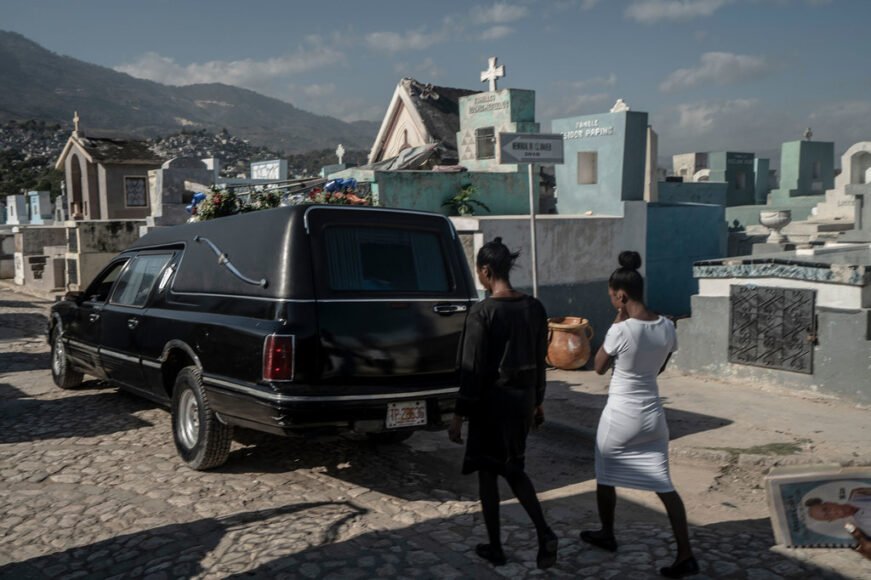
Gang violence in Port-au-Prince has resulted in thousands of deaths.
Violence by armed groups has displaced 1.4 million people, or 12 percent of the population.
Mass displacement has left children without education, healthcare, or safety.
What is the UN saying?
The UN’s senior humanitarian official in the Caribbean, Nicole Boni Kouassi, noted the high level of funding needed “to preserve the life and dignity of every Haitian, and to keep hope alive for younger generations.”
Speaking to donors in August 2025, UN Secretary-General António Guterres stated, “Haiti remains shamefully overlooked and woefully underfunded.”
What services have been reduced?
- Significant cuts to food security services, leaving many without regular food assistance as food insecurity increases nationwide.
- Reduced access to drinking water, with cuts in water distribution and WASH (water, sanitation, and hygiene) services.
- Primary healthcare services reduced, affecting community health support and clinical services.
- Reduced education-related humanitarian support, impacting children already affected by school closures and displacement.
- Limited protection services, including programs addressing gender-based violence, child protection, and survivor support.
Trucks delivering aid to Haitians are being loaded onto boats to bypass areas controlled by gangs.
Why funding has been so difficult to raise
Despite the significant need, Haiti’s humanitarian appeal is one of the least funded crises worldwide. In 2025, the UN sought $908 million but received only 24 percent of that target.
Competing global crises and donor fatigue, along with attention on other emergencies, such as in Sudan, Ukraine, and Gaza, have left Haiti’s needs underfunded.
Funding shortfalls also threaten essential operations, like humanitarian air services, often the only way to reach isolated communities.
The outcome: agencies must prioritize the most urgent cases, leaving many without help.
Regional or international consequences of not funding humanitarian aid in Haiti
Failing to fully fund Haiti’s humanitarian response risks wider instability beyond its borders.
The UN’s International Organization for Migration (IOM) warned that unchecked violence, mass displacement, and lack of basic services could fuel:
- Irregular migration
- Increased pressure on neighboring countries
- Threats to regional economic and security cooperation
A






Leave a Reply