


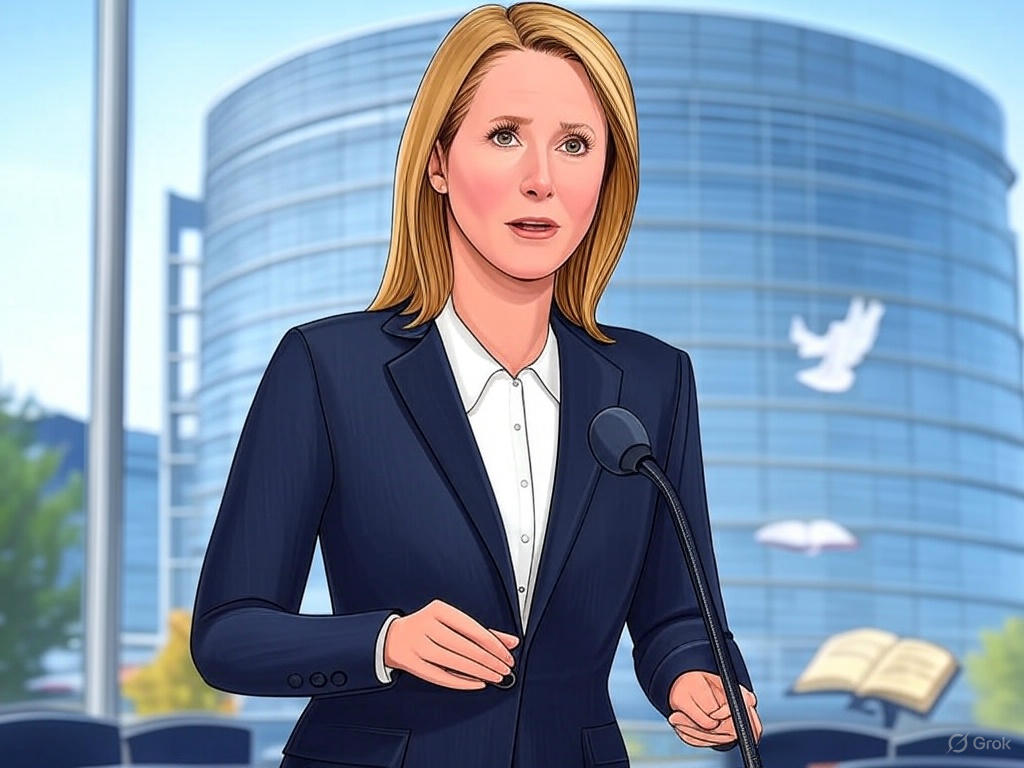
Kaja Kallas, the EU’s High Representative for foreign affairs, has countered US claims of Europe’s decline. At the Munich Security Conference, she defended Europe’s democratic values and human rights agenda, noting tensions with the US on migration, climate policy, and trade. Her remarks highlighted the alliance’s challenge of maintaining security cooperation amid differing political narratives.
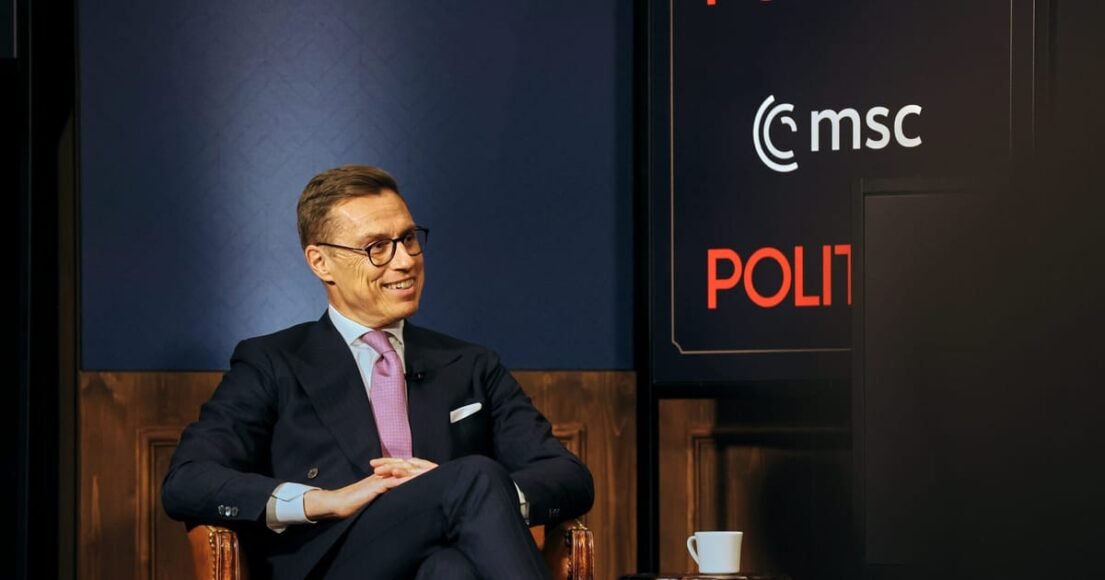
Kallas criticized the US for “Europe-bashing,” addressing claims of a “woke” Europe in cultural decline, as reported by Euractiv. During the Munich Security Conference, a forum for defense policy coordination and debates on Western identity, she emphasized Europe’s continued global appeal economically, politically, and socially.
Kallas dismissed US rhetoric suggesting Europe faces “civilizational erasure,” as noted by The Associated Press. She argued that Europe remains a destination of aspiration, contrary to narratives of weakened free speech and uncontrolled migration that some in the US suggest threaten Western unity.
Her comments referred to language in the US National Security Strategy, released in December 2025, which cautions that Europe’s challenges could worsen. Reuters reported that the document criticizes the EU on various issues and calls for Europe to regain “civilizational self-confidence.” Analysts see it as a shift in alliance focus from security threats to cultural alignment.
In Munich, US Secretary of State Marco Rubio took a softer tone than previous messages but urged Europe on migration and climate policy issues. Reuters reported Rubio likened the US to “a child of Europe” while signaling priorities for reshaping cooperation.
European leaders affirmed their commitment to democracy and human rights. UK Prime Minister Keir Starmer, quoted by AP, highlighted Europe’s diverse societies as strengths.
For Europe, there’s a risk that narratives of decadence could rationalize transactional security ties. Kallas emphasized that security solidarity shouldn’t demand ideological conformity, welcoming Rubio’s acknowledgment of intertwined US-Europe relations.
Europe is expected to boost defense readiness post-Ukraine invasion, balancing practical and political alliance challenges. Defense investments can grow, but trust is harder to build.
For more on this strategic debate, see The European Times’ coverage: Marco Rubio’s Warning to Europe: Navigating a New Geopolitical Era.




Leave a Reply