


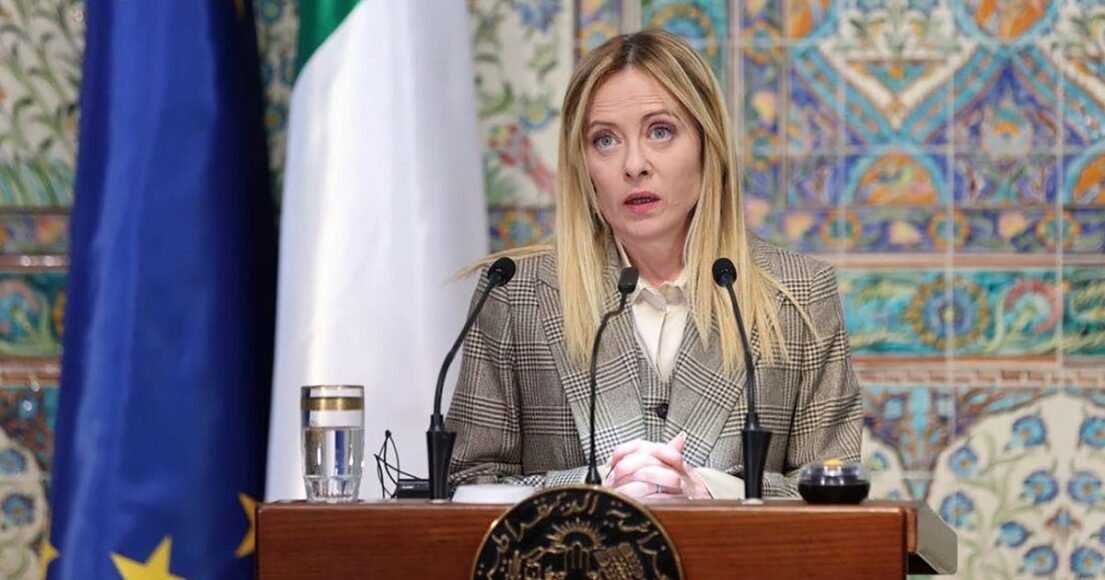
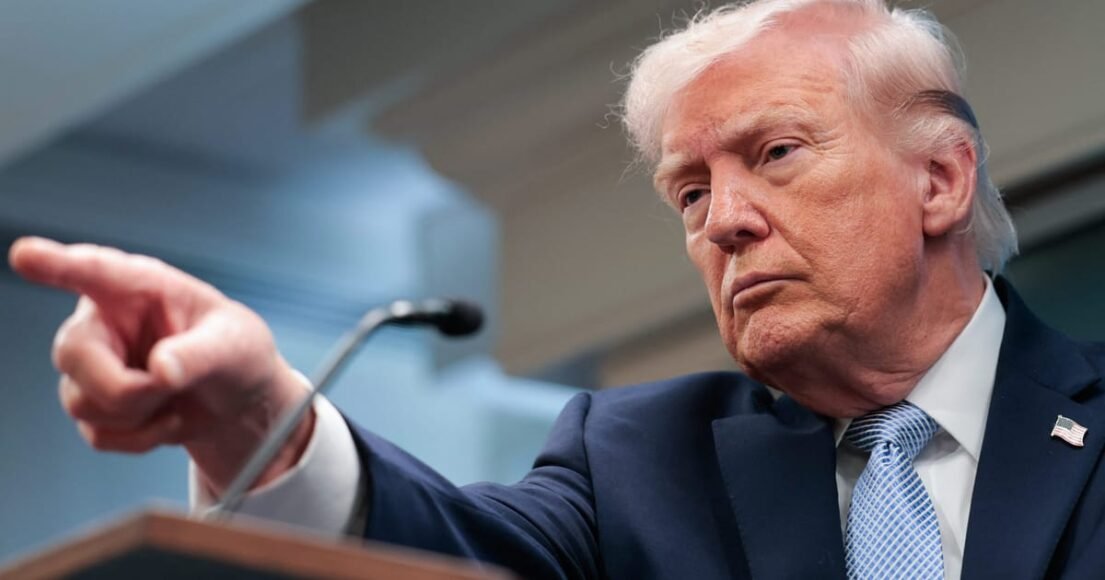
Her office reiterated the message on Tuesday, emphasizing alignment with European partners on the need to “preserve civilian infrastructure” following Trump’s repeated threats to target Iranian power plants and bridges. At the end of March, Italy refused to allow a U.S. bomber mission to land at a Sicilian base en route to the Middle East, though Meloni stressed that this did not signify a conflict with Washington.
Some conflict with Washington might be beneficial, though. Meloni’s allies view her past positive relationship with Trump as a liability, attributing it to the referendum loss.
“Until the Iran war happened, we were ahead, then there was a dramatic fall,” a coalition lawmaker told POLITICO, attributing the referendum defeat to the Middle East war. “For better or worse, in the collective imagination, the right was associated with Donald Trump,” he added.
Nicola Lupo, a professor of public law at LUISS University, noted that the referendum and polling indicate alignment with Trump carries political costs, stating that across Europe it has become “toxic — even on the right — to be seen as close to Trump.”
The government ruled out early elections amid global instability and energy shocks. However, Meloni’s political future still depends on how the international crisis develops — and her perceived proximity to its architects — as much as it does on her ability to maintain coalition unity and propose electoral law changes that would give the winning party a bigger parliamentary majority.




Leave a Reply