Iran – United States: The Truce Is Not Peace, It Is a Strategic Pause – Op-ed by Isaac Hammouch

The perception of Iran as an immediate threat is misguided. Although it may never have posed such a danger in the traditional sense, this misconception has led to flawed strategic discussions in the West. A focus on short-term threats overlooks Iran’s real power, which is built on long-term, multidimensional strategies. Rather than seeking immediate attacks, Iran gradually increases its leverage via ideological influence, indirect territorial presence, and asymmetric military capabilities.

The U.S. military actions should thus be viewed not as reactions to immediate threats but as responses to systemic risks. These risks extend beyond nuclear ambitions to encompass Iran’s growing influence throughout the region—from Tehran to the Mediterranean—and its power projection via proxies like Hezbollah, Iraqi militias, and the Houthis. Such strategies allow Iran to influence regional dynamics without direct confrontations.

The military escalation initiated in February 2026 exposed significant limitations. Despite U.S. technological advantages, Iran’s strategic depth, dispersed infrastructure, and adaptability made a quick victory unrealistic. While Iran couldn’t match U.S. power directly, it still demonstrated its capability to disrupt global economic channels, particularly in the Strait of Hormuz, highlighting the modern warfare reality: control of economic flows is as crucial as control of territory.

The April 7 truce must be seen in this light. It is not a sign of voluntary de-escalation. Instead, it reflects dual strategic constraints. For Washington, the conflict increased economic costs and political pressures, while for Tehran, combined pressures threatened internal stability. Thus, the truce is not equilibrium but a pause, allowing both parties to re-evaluate their positions and strategies, following a classic conflict management pattern where limits to confrontation lead to strategic readjustments.

This realignment occurs in a complex geopolitical context involving multiple stakeholders. Gulf nations, affected by the escalation, aim to prevent uncontrolled conflict while supporting U.S. alignment. Israel remains committed to opposing Iran’s consolidation, viewing any pause as temporary. Meanwhile, global powers like China and Russia capitalize on Western vulnerabilities to expand regional influence.

The truce signals a transformation in the conflict, not an end. The U.S.-Iran confrontation will continue through economic pressures, indirect tactics, and influence warfare. This hybridization mirrors the shifting nature of power in modern geopolitics, where distinctions between war and peace blur.

The critical question is whether both sides can prevent further escalation. Although direct confrontation has shown its limits, underlying issues remain unresolved. The United States cannot ignore Iran’s expanding influence, and Iran cannot abandon strategies central to its security and regional presence.

Thus, the truce is a necessary but unstable strategic pause. It provides temporary relief but does not change the ongoing dynamics—it buys time without resolving anything.

History indicates such interim phases are decisive, reshaping alliances and setting the stage for future confrontations. The real question is not if the conflict will resume, but how, at what level of intensity, and within which strategic framework.

This confrontation goes beyond U.S. and Iranian interests, affecting the Middle East’s broader balance and posing challenges for global powers to contain a conflict with far-reaching consequences.

The truce is merely a recalibration in a confrontation set to persist.

Isaac Hammouch
Belgian-Moroccan journalist and writer
Author of several books and op-eds, he analyzes societal issues, governance challenges, and the transformations shaping the contemporary world.


Comments

4 responses to “Iran – United States: The Truce Is Not Peace, It Is a Strategic Pause – Op-ed by Isaac Hammouch”

  1. Lady Petal Avatar
    Lady Petal

    A truce that’s just a fancy term for “let’s take a breather before the next round”—typical, innit? 🤷‍♂️ Just what we need, another strategic pause to rehash the same old arguments over tea! ☕️

  2. Pockets Avatar

    Isn’t it delightful how a truce is just a fancy way of saying, “Let’s take a breather before the real fun begins”? 🎭 Just like a good “strategic pause” over a pint—one never knows when the next round of chaos will hit the bar! 🍻

  3. Murder Cherry Avatar
    Murder Cherry

    Looks like we’ve got ourselves a classic case of “let’s call it a truce so we can grab a pint and rethink our life choices” – a strategic pause, eh? 🍻 Who knew diplomacy could be so much like waiting for the bus? 🚍

  4. scratch Avatar

    Nothing says “we’re all friends now” quite like a strategic pause, right? 😏 Just a classic case of two bullies in a playground deciding to sit on the bench instead of throwing punches… for now.

  5. The Flying Mouse Avatar
    The Flying Mouse

    Another “strategic pause” in the grand theatre of geopolitics—because who doesn’t love a good intermission before the next act of chaos? 🎭💼

Leave a Reply

Your email address will not be published. Required fields are marked *

Last News

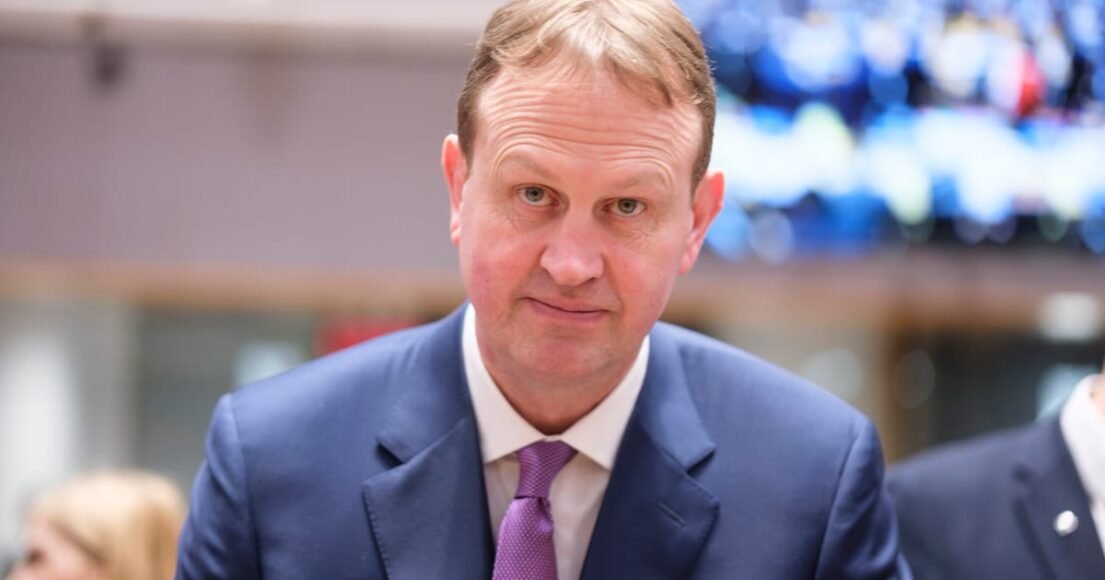
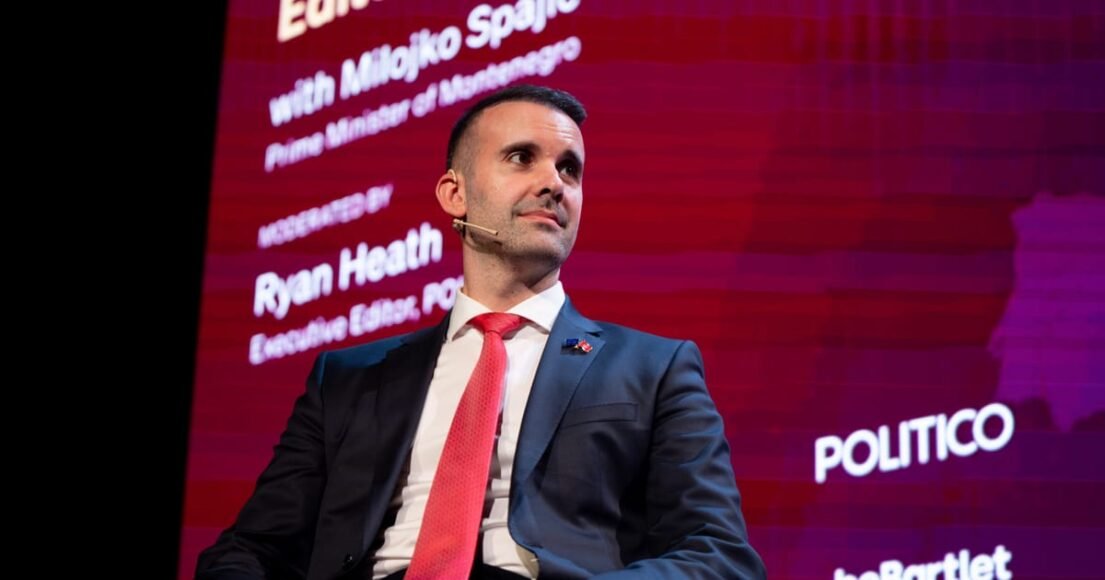
Montenegro Seeks EU Membership for Security, PM States

Montenegro Seeks EU Membership for Security, PM States

“Our motivation to join the EU stems from shared values, the benefits of the single market with its half a billion people compared to half a million Montenegrins, and it being a peace project, potentially the last one on Earth today,” Spajić said. “These factors represent the value of the European Union.”
In light of Russia’s 2022 full-scale invasion of Ukraine and Donald Trump’s threats to seize

Read More

Iran – United States: The Truce Is Not Peace, It Is a Strategic Pause – Op-ed by Isaac Hammouch

Iran – United States: The Truce Is Not Peace, It Is a Strategic Pause – Op-ed by Isaac Hammouch

The perception of Iran as an immediate threat is misguided. Although it may never have posed such a danger in the traditional sense, this misconception has led to flawed strategic discussions in the West. A focus on short-term threats overlooks Iran’s real power, which is built on long-term, multidimensional strategies. Rather than seeking immediate attacks, Iran gradually increases its leverage

Read More

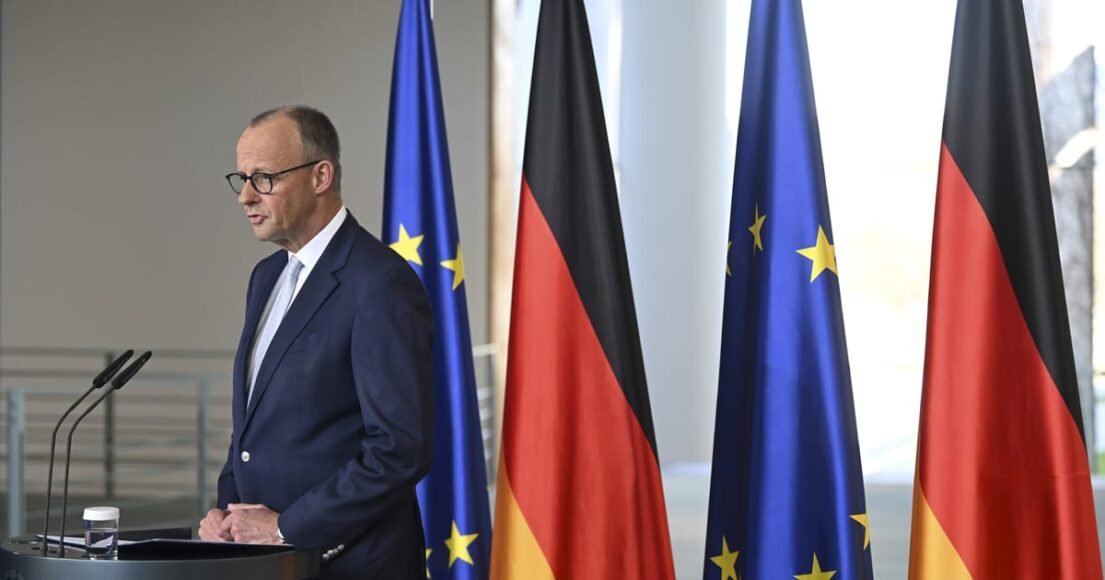
Merz Declines Immediate Role in Strait of Hormuz Security During Fragile Ceasefire

Merz Declines Immediate Role in Strait of Hormuz Security During Fragile Ceasefire

European leaders have pledged to assist in opening the disputed waterway once the conflict ceases, but the specifics of such actions remain unclear. U.S. President Donald Trump has shown increasing frustration over the lack of support from European NATO allies, even considering a potential U.S. withdrawal from the alliance.
The chancellor emphasized the importance of maintaining calm, stating, &#8

Read More

Madrid to Host Third Straight Day of Art Event on April 19

Madrid to Host Third Straight Day of Art Event on April 19

CHURCH OF SCIENTOLOGY OF SPAIN HOSTS ART-FOCUSED EVENT WITH FUNDACIÓN PARA MEJORA DE LA VIDA, LA CULTURA Y LA SOCIEDAD
April 9, 2026 – MADRID, Spain: The Church of Scientology of Spain and Fundación para la Mejora de la Vida, la Cultura y la Sociedad will hold an art-themed gathering on April 19, encouraging creativity, community, and reflections on ‘El Camino a la Felicidad’.
The upc

Read More

Ireland Deploys Army to Clear Protests Blocking Key Ports

Ireland Deploys Army to Clear Protests Blocking Key Ports

Martin dismissed the protesters’ request for a meeting, claiming they did not represent any official industry group and accused them of attempting to coerce the government. He warned that it would set a risky precedent, especially after the government had reduced taxes on petrol and diesel by 15 cents and 20 cents per liter the previous month.
“The government, any government, cannot be

Read More

EU Alerts to Stagflation Threat Due to Energy Shock

EU Alerts to Stagflation Threat Due to Energy Shock

Commissioner Valdis Dombrovskis informed MEPs that Europe is facing a new economic challenge as Middle East conflicts increase energy costs, complicate the inflation outlook, and strain public finances.
BRUSSELS — The European Commission has cautioned that the latest energy shock due to the Middle East conflict could hinder EU growth, raise inflation, and complicate fiscal choices as reformed EU

Read More

"The World" in the Holy Scripture (Part 1)

"The World" in the Holy Scripture (Part 1)

By Father Nikolay Afanasiev

In John 3:16, it’s stated that God loved the world so much that He gave His only Son so believers could have eternal life. Yet, in 1 John 2:15-16, we are warned not to love the world or its things, as love for the world negates the love of the Father. These two views reveal a seemingly contradictory stance towards the cosmos. God’s and man’s attitude

Read More

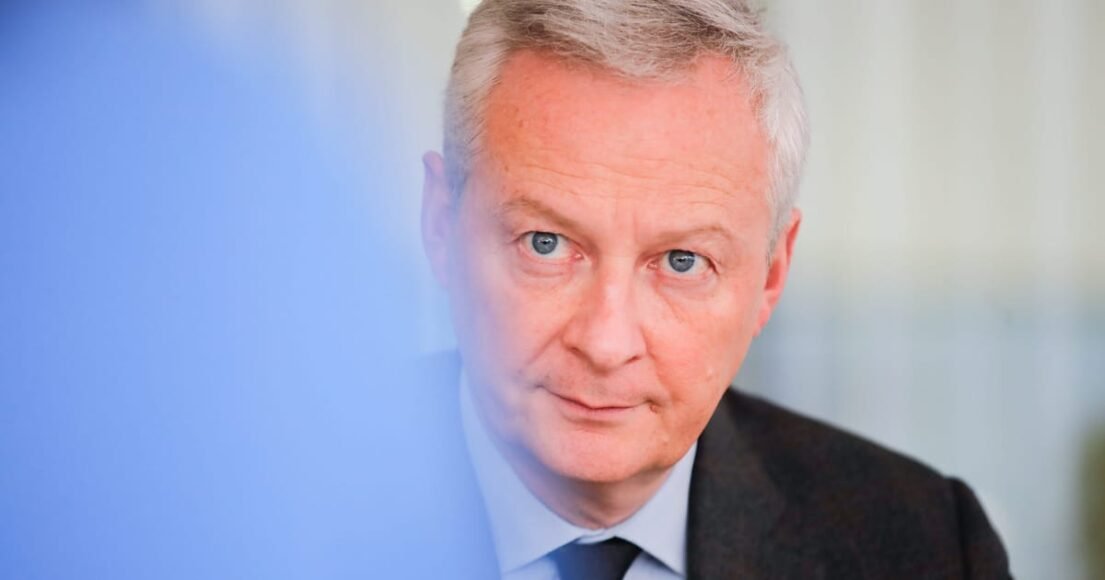
Bruno Le Maire prêt pour le match… en librairies

Bruno Le Maire prêt pour le match… en librairies

L’ancien ministre reste obsédé par la “réinvention du modèle politique” et assume que, dix ans après l’élection d’un président pas encore quadragénaire, son expérience étendue — directeur de cabinet à Matignon depuis 2006, député, conseiller régional, ministre sous Nicolas Sarkozy de 2008 à 2012 puis encore de 2017 à 2024 — fait de lui l’un des plus aptes à répondre à cette

Read More

When Do Cats Reach Maturity?

When Do Cats Reach Maturity?

Humans have distinct growth stages, typically reaching adulthood at 18. But how does this process occur in cats? When do they reach puberty, become adults, and switch to adult cat food?
There isn’t a set age for cats to reach adulthood. Felines experience various growth stages, and while there are general milestones, exact timelines vary. Let’s explore these stages.
When do kittens stop gro

Read More

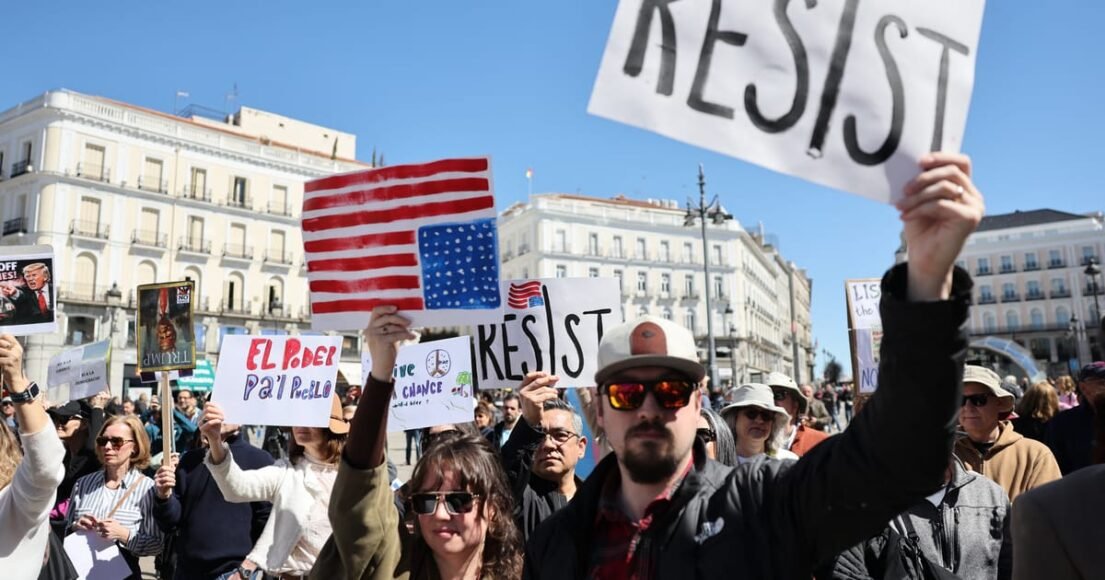
Spain leads Europe’s shift away from Donald Trump’s US

Spain leads Europe’s shift away from Donald Trump’s US

In Spain, there is broad support for defending an EU country under foreign attack and for a European army.
Spanish Prime Minister Pedro Sánchez has been the chief European critic of the U.S. president and a vocal opponent of the war in Iran. Following Madrid’s ban on U.S. use of jointly operated military bases or airspace for Middle Eastern attacks, Trump threatened to sever commercial ties

Read More