


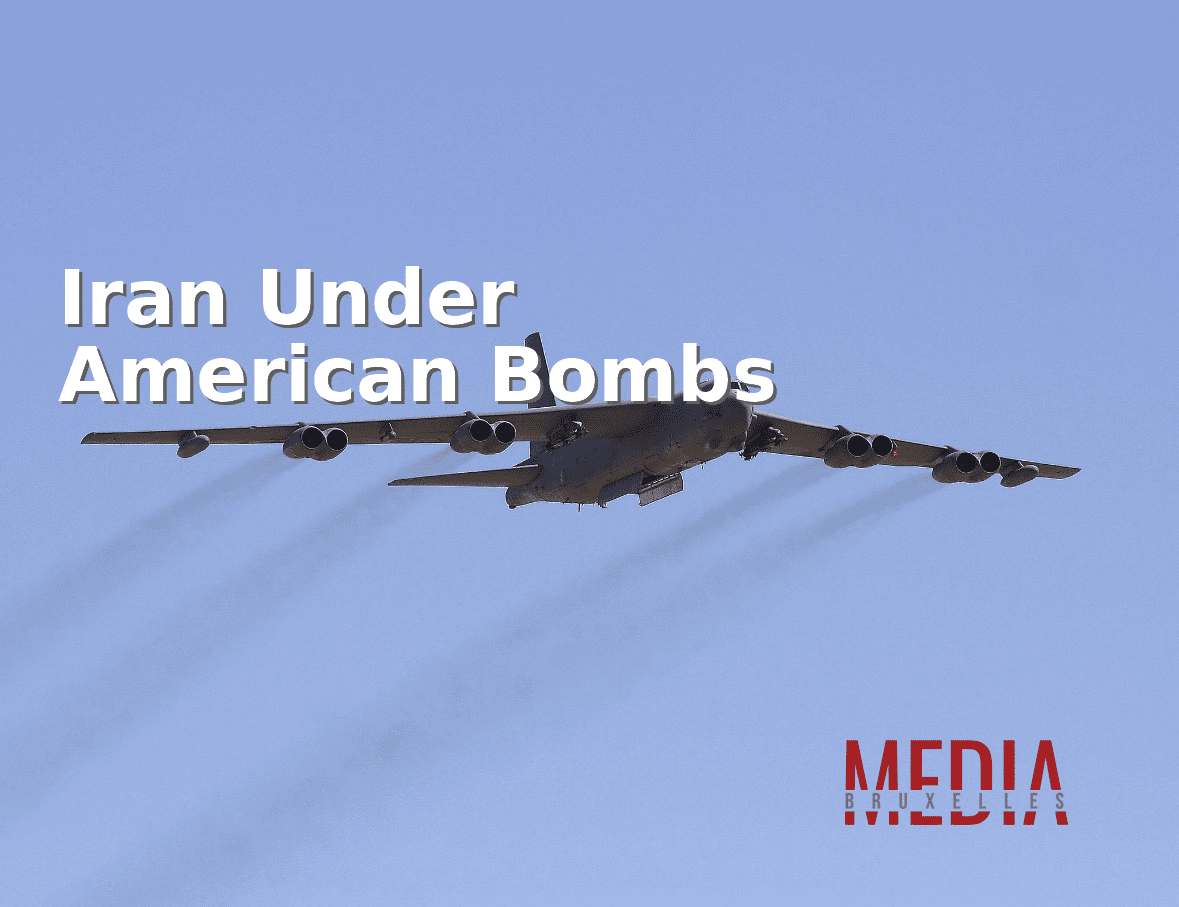
Several major Iranian cities, including Tehran, have experienced explosions, signaling a new phase in the military escalation involving Iran, the United States, and its allies. The confirmed deployment of B-52 bombers as part of the U.S. operation Epic Fury indicates that the conflict has reached a particularly dangerous level. These bombers, symbols of American air power, demonstrate Washington’s intention to strike hard and from a distance against Iran’s crucial military infrastructure.
Initial reports suggest the strikes targeted command centers, ballistic missile-related installations, and strategic weapons depots. Witnesses have reported hearing powerful explosions across various cities, with social media sharing images of blasts and smoke near certain military sites. While the full extent of the damage is currently unclear, this operation seems to be part of a broader campaign to reduce the Islamic Republic’s military capabilities significantly.
This military action occurs amid increasing Middle Eastern tensions over recent months. Previously indirect confrontations between Iran and regional adversaries have become more direct. The American strikes appear to respond to ongoing incidents, including drone attacks and strikes against Western interests by networks supported by Tehran.
Deploying B-52 bombers is a display of force, as these aircraft can deliver a massive payload over long distances, targeting multiple sites. Their use aims not only to degrade military infrastructure but also to send a strategic message to Iran: the U.S. is prepared for a sustained air campaign if necessary.
Iranian officials quickly condemned the strikes as a violation of sovereignty and vowed retaliation. Iran’s arsenal, including ballistic missiles and drones, enables it to target American bases and strategic locations in the region, making broader regional escalation plausible.
The main risk now is regional conflict expansion. U.S. military bases and potential targets within Iranian missile range mean any Iranian retaliation could start a cycle of strikes, transforming indirect confrontation into open regional conflict.
Strategically, the U.S. aims to weaken Iran’s military while imposing a power balance that might force Tehran to reconsider its regional actions. Washington seeks to curb Iran’s Middle Eastern influence, particularly its support for armed groups and threats to crucial maritime routes.
However, this strategy involves significant risks. Iran’s capacity for asymmetric warfare and prolonged conflict poses challenges. An intense air campaign may not neutralize Iran’s networks or strategic influence long-term.
Geopolitically, the conflict’s ramifications could reach beyond the Middle East. Disruptions in the Gulf could impact global energy markets, raise oil prices, and cause international economic instability. Major powers like Russia and China are watching closely, aware of potential strategic shifts.
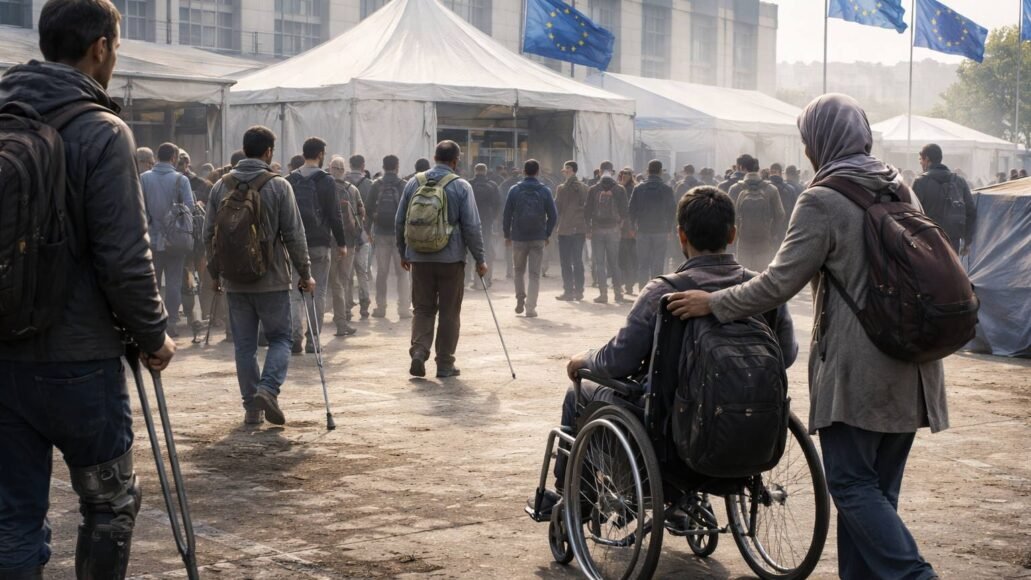
For Europe, this escalation adds challenges in an already crisis-ridden international landscape. A wider Middle Eastern war could impact energy security, migration, and regional stability. European governments fear a spiral of violence that’s hard to control.
Beyond military and strategic aspects, this confrontation underscores the Middle East’s fragile regional order. Long-standing tensions, ideological rivalries, and power struggles have set the stage for rapid escalation. Each strike and retaliation increases the risk of incidents escalating into larger conflicts.
The explosions in Tehran and other cities may mark the start of a more dangerous phase. Without quick diplomatic de-escalation, the Middle East could face direct military confrontation with profound consequences for regional actors and the global balance.






Leave a Reply