


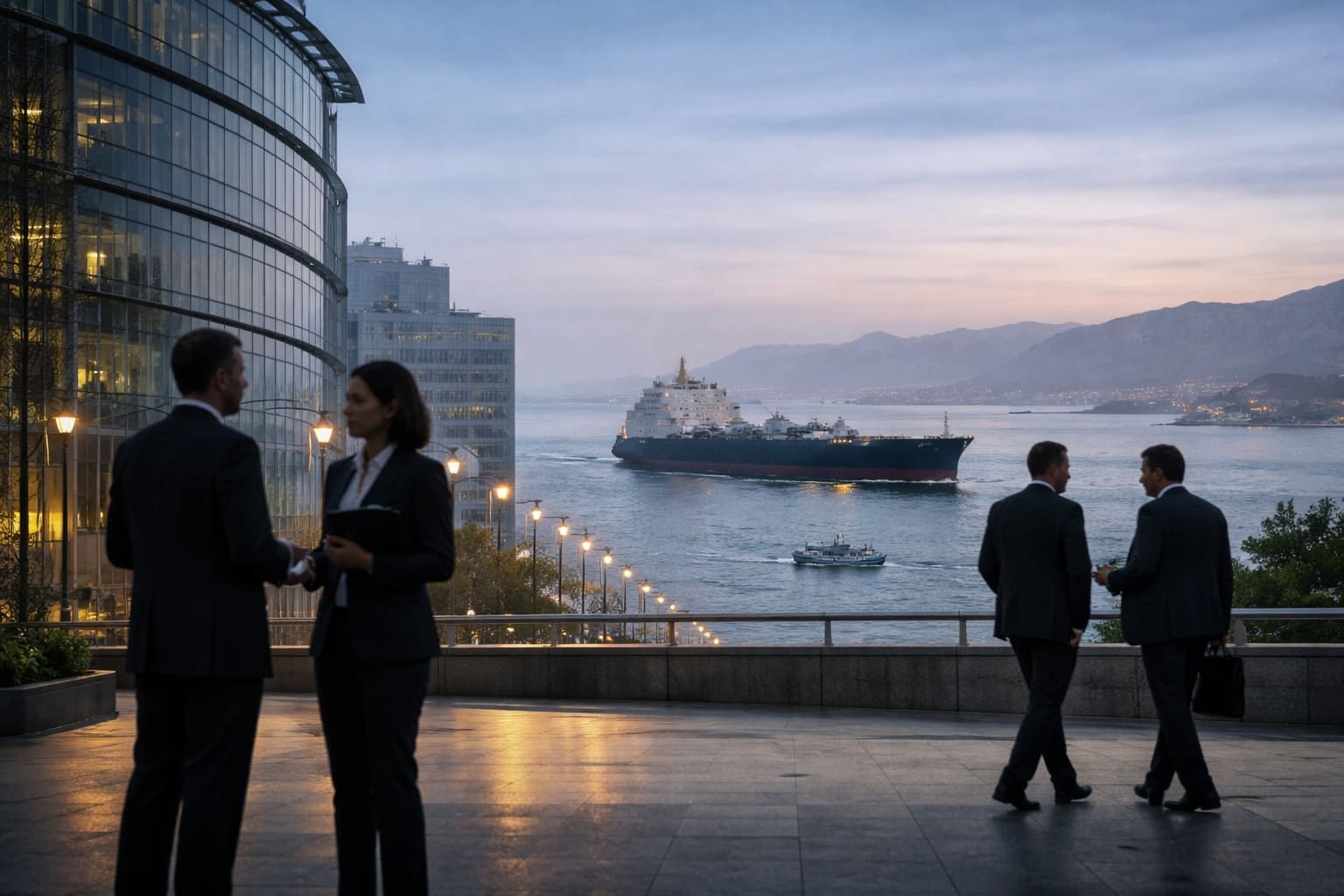
Recent Israeli strikes on Iran on Friday have shifted the Middle East conflict back into global headlines, but for Europe, the implications extend beyond military concerns. It is about ensuring shipping through the Strait of Hormuz, addressing rising energy anxieties, maintaining transatlantic coordination, and fearing that another crisis might divert attention from Ukraine.
Israel’s latest strikes on Iran have pushed European governments into a delicate balancing act. They aim to prevent a wider regional conflict while defending freedom of navigation through critical maritime routes. Simultaneously, they seek to maintain a working relationship with Washington, amidst uncertainties about the conflict’s objectives, legal foundations, and endgame.
Friday’s Developments
Israel launched a new wave of strikes on Iran early Friday as the United Nations Security Council was set to discuss attacks on Iranian civilian infrastructure. The timing coincided with G7 foreign ministers meeting in France, where the conflict in Iran overshadowed discussions on Ukraine, economic uncertainties, and the Western alliance’s state.
For Europe, the challenge is no longer theoretical. The conflict now impacts diplomatic priorities, market confidence, and security planning. European officials seek clarity from the U.S. on future actions, while also wanting to avoid being dragged into a war they did not choose.
Europe’s Stance: Concerned but Cautious
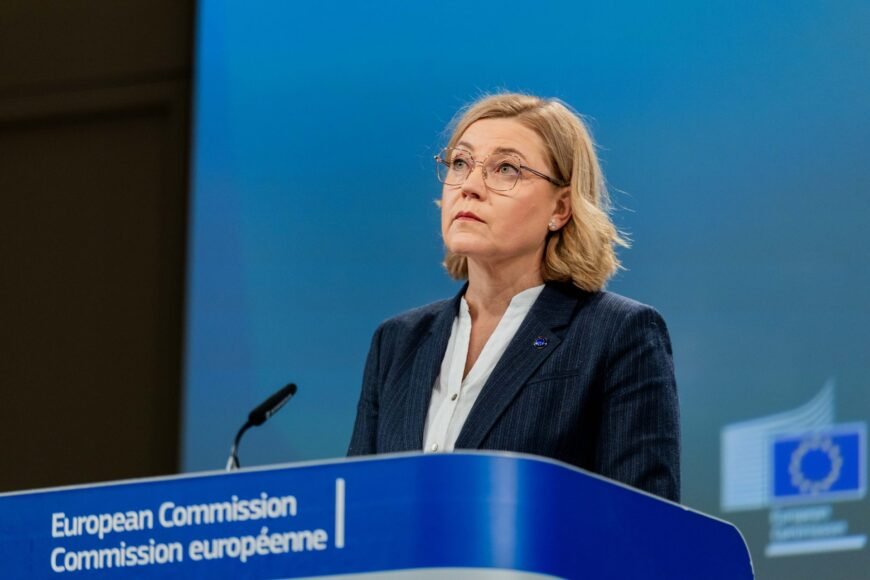
The EU had already expressed the dilemma in clear terms earlier this month. As EU foreign policy chief Kaja Kallas noted, “This is not Europe’s war, but Europe’s interests are directly at stake”. This perspective has gained more relevance. Europe aims to protect its citizens, support de-escalation, and keep trade routes open without becoming a combatant.
The EU has insisted that a ceasefire and a return to diplomacy offer the only sustainable resolution. This stance reflects a deeper concern that military escalation without a credible political endpoint could destabilize the region, exposing Europe to economic aftershocks.
Brussels is also maintaining a human-rights focus. EU ministers emphasize support for Iranian civil society and continued engagement with regional partners, having recently imposed additional sanctions for human-rights violations in Iran.
G7 Meeting: A Stress Test
The G7 meeting in France was already set to be challenging. It has now become a test of whether Europe and the U.S. share the same strategic approach. Reuters reported that European powers planned to pressure Washington over allegations of Russia assisting Iran with intelligence and drones, linking the Middle East conflict more closely to the Ukraine war. Kallas has stated that these conflicts are interconnected.
This connection is politically significant in Brussels, Paris, Berlin, and other capitals. European governments are wary of allowing Iran to become a separate conflict zone that diverts attention and resources from Ukraine. The risk is tangible. If Moscow benefits from Western distraction, Europe could face a prolonged and more perilous overlap of its eastern and southern crises.
The situation has been further strained by recent U.S. criticism of NATO allies, placing European diplomats in the difficult position of maintaining open channels with Washington while signaling that alliance management cannot rely on surprise, pressure, or public criticism.
Hormuz, Oil, and Europe’s New Anxiety
With the battlefield in the Middle East, one of the immediate risks is economic. The Strait of Hormuz remains crucial to global energy flows, and even the prospect of prolonged disruption unsettles governments and markets. France has already reached out to numerous countries about a potential mission to reopen the strait once hostilities cease, describing the initiative as purely defensive.
This preparation speaks volumes. Europe anticipates that even if the war cools, commercial shipping may not quickly revert to normal. For import-dependent economies, this is crucial. Rising energy costs would coincide with a period when many households and industries are adjusting to years of inflation, security shocks, and supply-chain issues.
Reports suggest Europe may face challenging trade-offs between climate goals and energy security if disruptions persist. This would be politically sensitive across the EU, where governments are pressured to align decarbonization targets with affordability and industrial competitiveness.
A Broader Security Dialogue
The broader context is shifting. NATO reported that European allies and Canada increased defense spending by 20% in






Leave a Reply