


London, United Kingdom, January, 2026 — Eurotoday Newspaper, Britain’s latest economic data has refocused national attention on price stability as households, businesses, and policymakers assess the path ahead. The UK inflation rate continues to sit above levels considered comfortable for long-term stability, yet a growing consensus among economists suggests that the most difficult phase of the inflation cycle has passed. While living costs remain high, the broader trajectory points toward gradual easing as earlier shocks fade and policy restraint takes hold.
A Turning Point in the Inflation Story
Over the past several years, inflation has dominated economic debate in Britain. What began as a surge driven by global energy disruptions and supply chain breakdowns evolved into a complex mix of domestic and international pressures. Today, analysts increasingly describe the situation as one of transition rather than crisis.
When assessing the UK inflation rate, economists emphasize momentum over magnitude. Even small changes in direction can signal meaningful shifts in underlying conditions, particularly after a prolonged period of elevated prices.
Forces Still Shaping Prices
Several factors continue to influence price behavior across the economy. Services costs remain firm, reflecting earlier wage growth and strong domestic demand. Food prices, though no longer accelerating at the pace seen during the height of global disruption, still weigh heavily on household budgets.
Despite these pressures, many analysts argue that the UK inflation rate is now supported more by residual effects than by fresh shocks, increasing confidence that further moderation lies ahead.
Energy Costs Fade as a Dominant Driver
Energy prices once sat at the heart of Britain’s inflation challenge. Sharp increases in wholesale gas and electricity costs filtered quickly into household bills and business expenses. That dynamic has changed markedly.
As energy markets stabilized, their contribution to the UK inflation rate diminished, removing one of the most volatile components from the overall picture and helping anchor expectations for the months ahead.
Food Prices and Consumer Perception
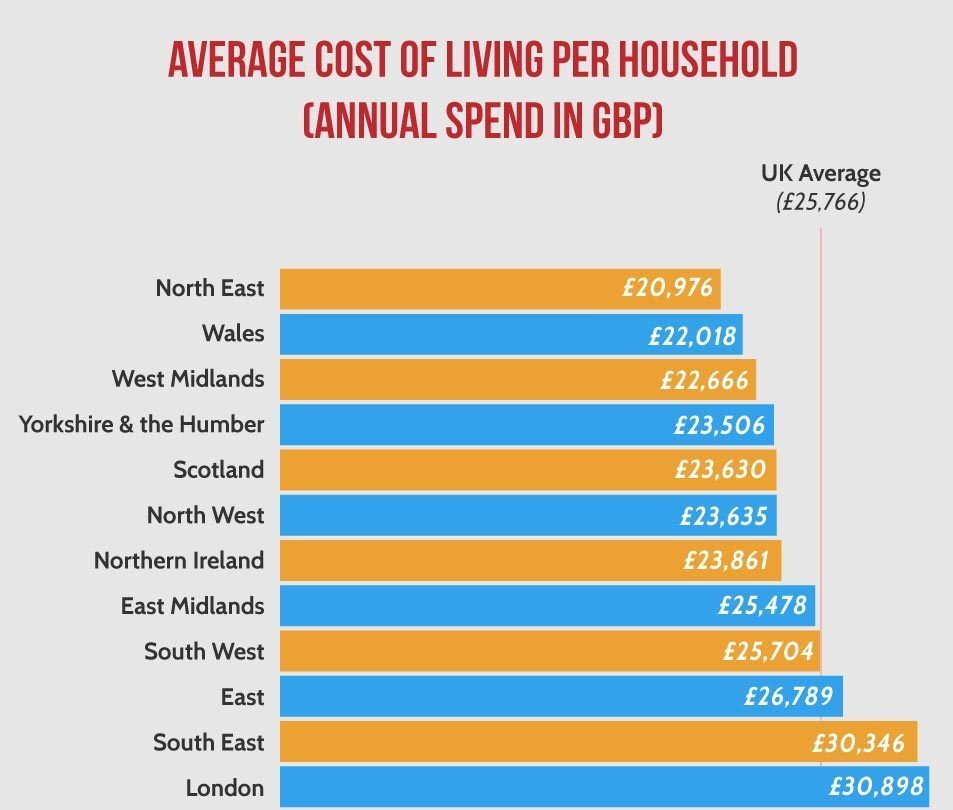
While headline measures offer a broad overview, consumer experience is often shaped by everyday purchases. Grocery prices remain a sensitive issue, with many shoppers reporting continued strain.
This disconnect explains why public concern persists even as economists point to improvement. For households, the reality of the UK inflation rate is felt most directly through routine spending rather than abstract indicators.
Policy Signals From the Bank of England
The central bank has remained cautious, emphasizing that inflation control requires sustained progress rather than isolated improvements. Officials acknowledge the uneven nature of disinflation and stress that restrictive policy must remain in place until confidence in stability is secured.
From a monetary perspective, movements










Leave a Reply