


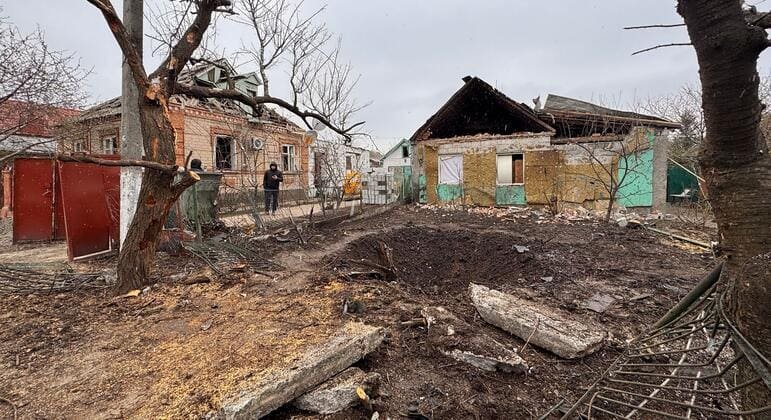
The Commission proposed a new sanctions package on February 6, broadening restrictions on Russian energy, banks, goods, and services. The EU aimed for final approval of both the sanctions package, requiring unanimity, and a €90 billion loan before the fourth anniversary of Moscow’s full-scale invasion of Ukraine.
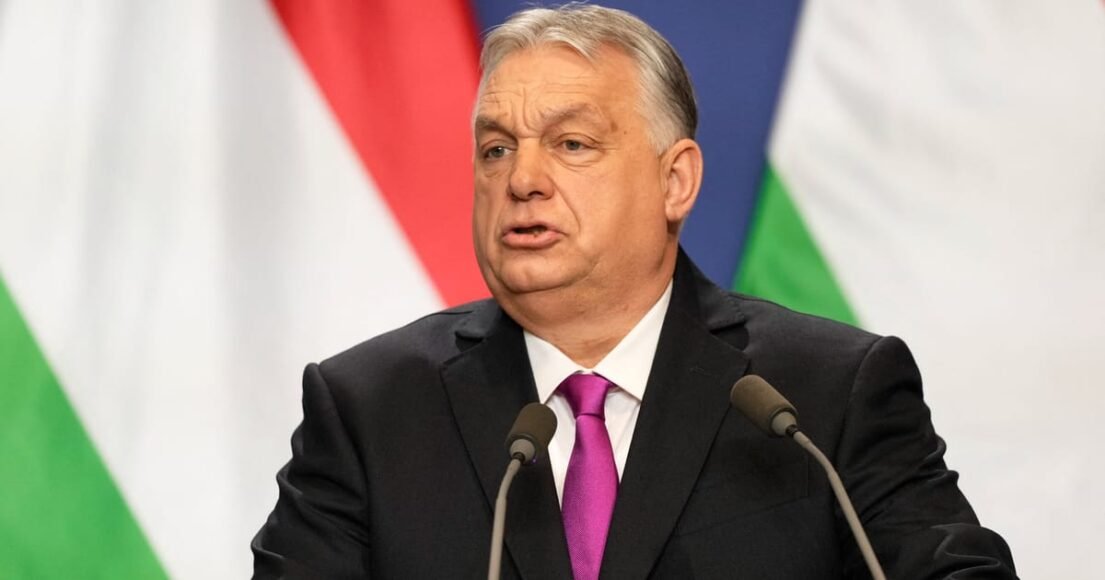
With Kyiv facing a financial shortfall in April, coinciding with Hungary’s national election, EU leaders are seeking ways to persuade Budapest to drop its opposition without exacerbating a legal conflict with Orbán that could influence his reelection campaign.
Hungary has requested €16 billion from the EU’s SAFE program, designed to provide affordable funds to EU countries purchasing weapons in bulk to strengthen the bloc’s defense against Russian threats.
The Commission has not yet approved Hungary’s application and is “slow-walking” an initial €2.4 billion payment as a means of pressuring Budapest, according to officials. The Commission denied blocking Budapest’s application.
Two diplomats stated that the Commission should complete its review of Hungary’s SAFE loan application to prevent any political bias perception. National capitals would still make the final decision on disbursing the defense funds.
A spokesperson for Hungary’s permanent Brussels representation did not immediately respond to a request for comment.
The Commission has already withheld €17 billion in regional development and post-pandemic recovery funds designated for Hungary due to rule-of-law concerns.







Leave a Reply