


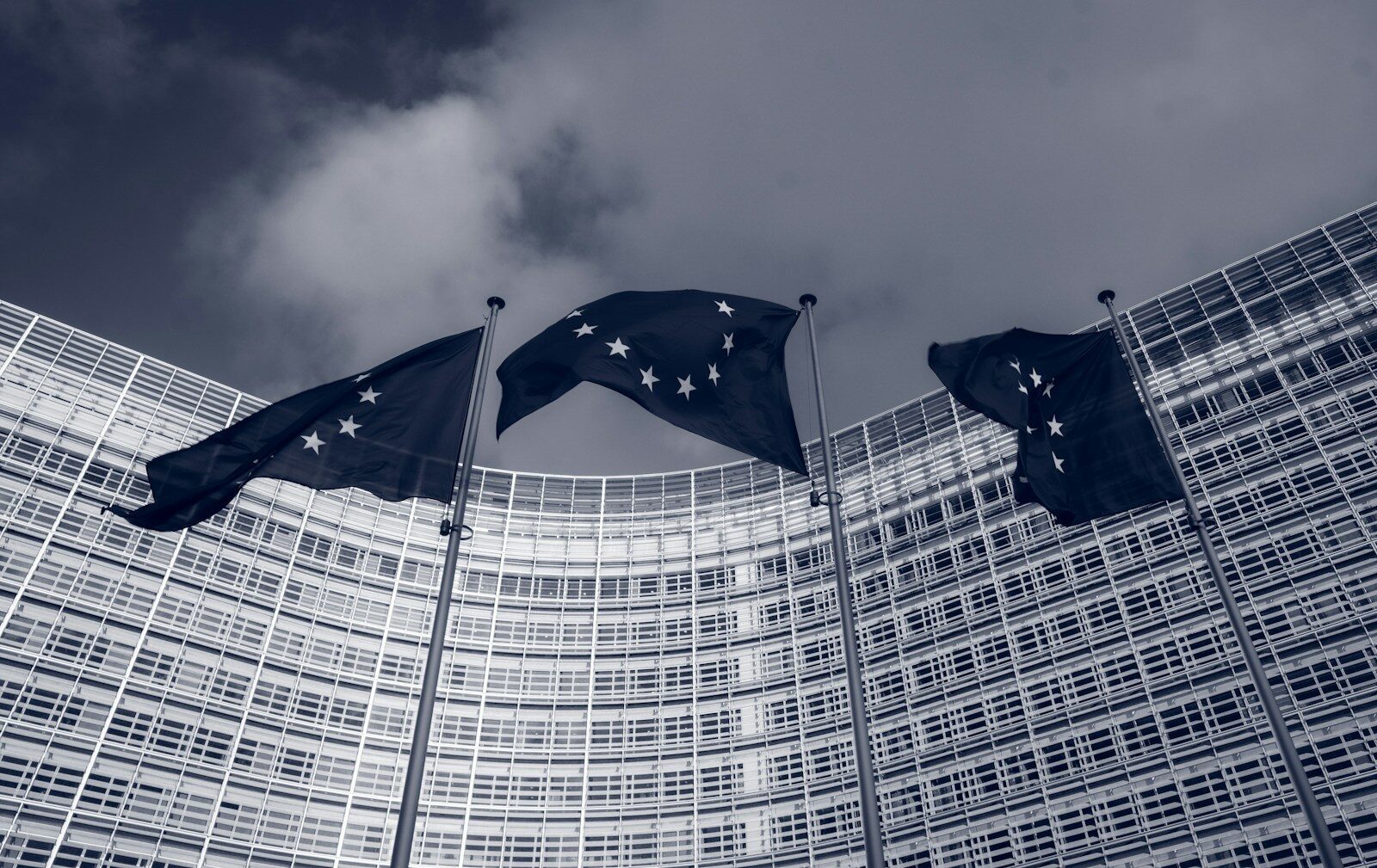
From August 10 to 15, Europe’s news cycle was defined by significant decisions on civil rights and state power, continuous security concerns related to Russia’s conflict with Ukraine, and new signs of modest economic growth. Extreme heat again disrupted daily life, while film festivals and continental championships provided a more celebratory, yet still politically tinged, view of European public life.
In politics, France ended the week with a notable constitutional decision. On August 14, the Constitutional Council upheld legislation establishing a right to assisted dying while outlining safeguards for pharmacists, some private institutions, and legally protected adults. While this ruling resolves a major constitutional issue, the implementation of the law will depend on the access to palliative care, regional disparities, and oversight mechanisms.
In Britain, Nigel Farage returned to the House of Commons after winning the Clacton by-election, which also reactivated a parliamentary investigation into whether a £5 million gift was properly registered. This situation highlighted the difference between electoral support and Parliament’s obligation to enforce transparency rules.
Germany’s cabinet supported an intelligence-law overhaul giving the BND and domestic intelligence wider powers to counter hostile operations, such as espionage and cyber threats. Press-freedom advocates warned that these increased surveillance powers must be balanced with judicial oversight and source protection.
Poland disclosed the detention of a suspect accused of planning an assassination in Warsaw, allegedly under instructions from Russian intelligence, raising concerns over covert operations and the safety of Ukrainian activists and exiles in Europe.
In terms of war and global responsibilities, Russia’s missile and drone attacks on Ukrainian cities kept civilian protection at the forefront of European security discussions. The strikes emphasized the war’s impact on European infrastructure and security. The fifth anniversary of the Taliban’s return to power in Afghanistan posed a foreign-policy challenge, with European governments expanding technical contacts with Afghanistan while contending with the Taliban’s restrictions on women and girls.
Economically, the euro-area economy grew by 0.4% in the second quarter, with employment rising by 0.1%, showing resilience despite energy costs and trade uncertainties. New EU packaging requirements took effect on August 12, with more ambitious recycling and waste-reduction targets to follow.
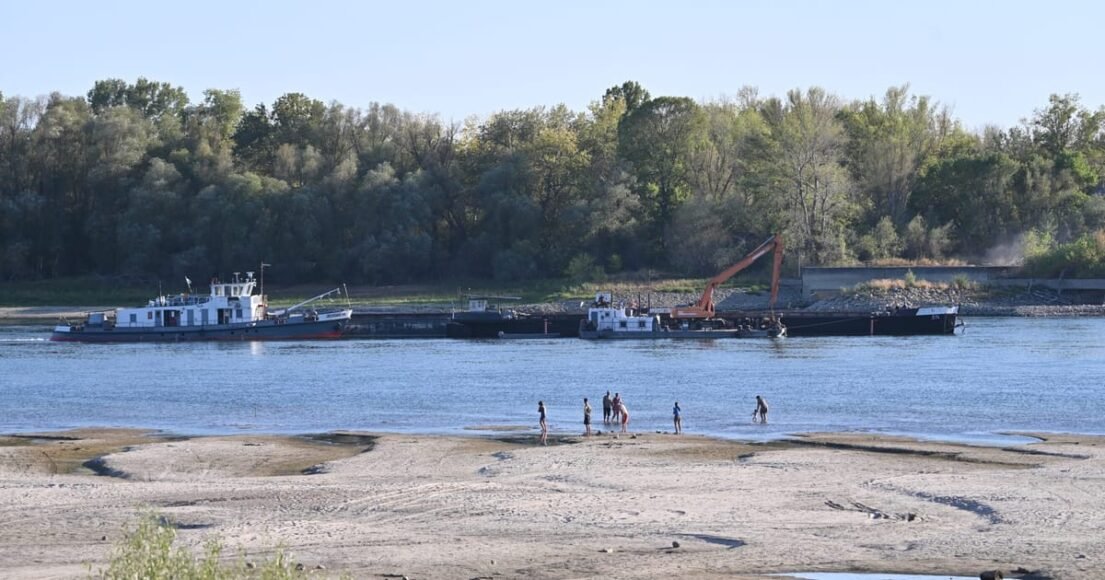
Climate issues also affected the energy system, with low Danube water levels threatening Romania’s Cernavodă nuclear plant operation, illustrating how drought impacts go beyond agriculture.
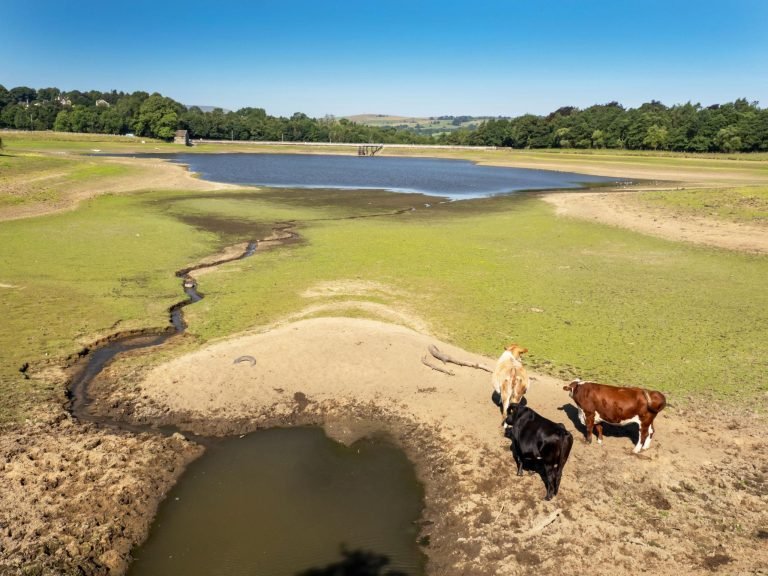
Societally, Western Europe endured another severe heat peak on August 13, with record temperatures in Britain and France. The repeated emergencies are turning adaptation into a social-policy issue, necessitating cooling in public spaces and worker protection.
Culturally, the Locarno Film Festival concluded, and the Salzburg Festival continued, amidst pressures on culture funding and artistic freedom. Climate disruption is changing cultural life, requiring heat plans and protection measures for events.
In sports, three continental competitions overlapped, reigniting debates over Russian and Belarusian athletes’ participation and the use of neutral status due to the war’s impact on sports facilities and athletes.
Looking ahead, Ukraine’s parliament is expected to address senior government appointments and defense funding. European governments will continue monitoring Russian activities and air-defense needs. The European Commission will release its consumer-confidence estimate for the euro area on August 21, indicating household optimism. Cultural activities continue with the Noorderzon festival starting on August 20, as heat and wildfire risks remain in Europe’s southern and central regions. Overall, Europe is managing security threats, climate adaptation, institutional accountability, and cultural life.




Leave a Reply