


Satellite imagery has confirmed that a US tanker seizure involving an oil tanker previously operating near Venezuelan waters has now resulted in the vessel being positioned off the Texas coast. The confirmation comes from multiple satellite tracking systems that monitor commercial shipping routes across the Caribbean and the Gulf of Mexico. This development highlights the increasing transparency of maritime operations and the expanding role of satellite surveillance in enforcing international trade and sanctions policy.
The movement of the tanker northward has sparked widespread discussion among maritime analysts, energy traders, and legal experts. While tanker seizures are not unprecedented, the visibility of this event and its proximity to one of the world’s most critical energy hubs make it especially significant.
How Satellite Technology Confirmed the US Tanker Seizure
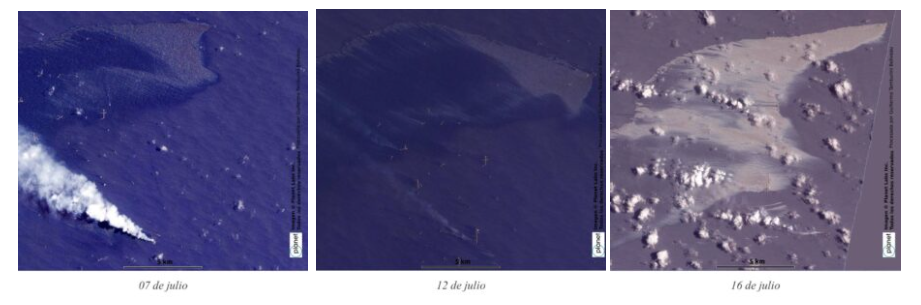
Modern satellite systems now provide near real time visibility into global shipping activity. In the case of this US tanker seizure, satellite imagery captured the vessel’s position, route, and eventual arrival near the Texas coast. These systems combine optical imaging, radar capabilities, and transponder data to confirm vessel movements even when ships attempt to limit public tracking.
The ability to independently verify the tanker’s location removes uncertainty and speculation. Satellite confirmation also ensures that enforcement actions are transparent and verifiable, reinforcing confidence in maritime oversight.
This technological capability represents a major shift from earlier decades, when tanker movements could remain unclear for weeks.
Background Behind the US Tanker Seizure
The US tanker seizure occurred amid ongoing efforts to enforce sanctions related to oil exports connected to restricted trade networks. Authorities have increasingly focused on maritime routes that may be used to move energy products in ways that bypass established regulations.
Tanker seizures typically follow extensive investigations involving cargo documentation, ownership structures, and shipping patterns. In many cases, vessels are flagged after intelligence analysis suggests irregularities in their declared routes or cargo origins.
Officials stress that seizures are conducted under legal authority and are intended to uphold international trade rules rather than disrupt legitimate commerce.

Why the Texas Coast Is a Strategic Location
The appearance of the seized tanker off Texas is no coincidence. Texas is home to major ports, refineries, storage facilities, and maritime infrastructure, making it a logical destination following a US tanker seizure.
Positioning the vessel near Texas allows authorities to maintain direct oversight while minimizing disruption to global shipping lanes. The region also provides access to legal, environmental, and technical resources needed to manage seized vessels safely.
The proximity to energy infrastructure underscores the seriousness of the enforcement action and its potential implications.
Legal Framework Governing a US Tanker Seizure
Once a US tanker seizure occurs, the vessel enters a formal









Leave a Reply