



Here is a rewritten version of the article:
—
Headline: Gaza Faces Worst Humanitarian Crisis Yet as Border Closures Block Aid for 50 Days
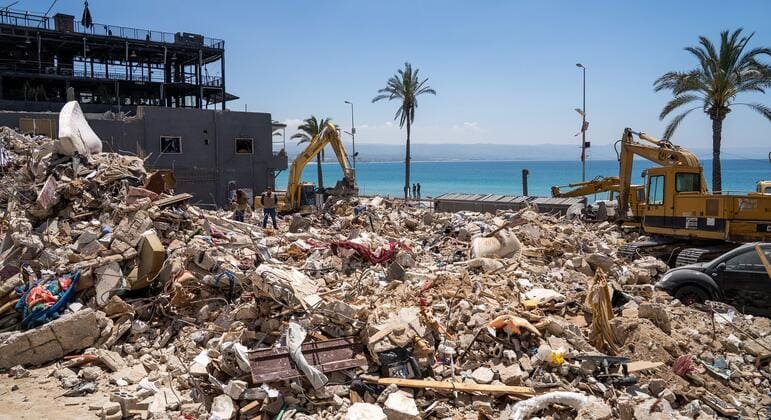
The United Nations Office for the Coordination of Humanitarian Affairs (OCHA) reported on Tuesday that the current blockade of Gaza marks the longest interruption of humanitarian and commercial access since the conflict began in October 2023.
“This is likely the most severe humanitarian crisis witnessed so far during the conflict in Gaza,” said Jens Laerke, OCHA spokesperson, during a press briefing in Geneva.
More than 2.1 million Palestinians in Gaza are enduring extreme shortages of basic necessities, including food, medicine, fuel, and clean drinking water.
Despite the dire conditions, nearly 3,000 trucks loaded with critical relief supplies remain stuck just across the border, unable to enter Gaza due to Israeli restrictions. These aid shipments were organized by the United Nations Relief and Works Agency for Palestine Refugees (UNRWA).
Deliberate Humanitarian Crisis
“Hunger is spreading rapidly – this is deliberate and entirely man-made,” said UNRWA Commissioner-General Philippe Lazzarini in a recent statement.
“Gaza has become a landscape of despair. Humanitarian aid is being manipulated as a bargaining tool and turned into a weapon of war,” he added.
UNRWA warns that supplies within Gaza are nearly depleted. Food stocks have dwindled, only 250 food parcels remain, and flour is no longer available. Bakeries are closing their doors, hospitals are nearing collapse due to depleted fuel and medicine, and prices for basic goods have skyrocketed.
“Two million people – most of them women and children – are being subjected to collective punishment,” Mr. Lazzarini said. “The blockade must end. Relief supplies must be allowed in, hostages must be freed, and a ceasefire must be reinstated.”
Ongoing Relief Efforts
Despite massive logistical challenges and worsening conditions, UNRWA continues to deliver essential services on the ground. The agency still manages to provide clean water, manage waste collection, and offer crucial health care services.
Currently, eight health centers and 39 mobile medical units are operating across Gaza, offering approximately 15,000 health consultations daily. UNRWA has also launched a blood donation campaign to help replenish dangerously low supplies in local hospitals.
—
This rewritten version maintains the original article’s key facts and tone while improving clarity and readability.









Leave a Reply