


By Dionysios Sklyris, Vima newspaper, Athens
Pope Leo XIV’s decision to prioritize Africa through a significant trip to Algeria, Cameroon, Angola, and Equatorial Guinea reflects the continent’s crucial role in the future of Christianity, due to the competition between Catholics and Protestants. Africa is home to approximately 280 million Catholics, representing one-fifth of the continent’s population and global Catholic population. Notably, Catholicism is rapidly expanding across Africa, competing with Evangelical and Pentecostal Protestants. However, this growth isn’t mirrored in the representation within the cardinals, where only 14 are Africans. In Cameroon, which the Pope visited after Algeria, Catholics make up about 8 million, nearly a third of its population.
Criticism of President Biya or legitimization?
In Yaounde, Pope Leo addressed the presidential palace, emphasizing the importance of rule of law and institutional transparency. This was perceived by many as criticism of President Paul Biya, the world’s oldest head of state at 93, who has led since 1982, totaling 44 years in power, with a history as prime minister. Allegations of fraud tainted recent elections, and Biya has recently made constitutional changes and established a vice president role, possibly for his son’s succession. He has also collaborated with US President Donald Trump, agreeing to accept deported migrants.
The pope, formerly the head of the Augustinian order, referenced St. Augustine’s political theology, asserting that power should be rooted in duty and responsibility rather than domination and characterized by mercy.
Cameroon is split into Francophone and Anglophone regions. The Pope visited both, including Bamenda, an Anglophone area under military rule due to a separatist conflict, resulting in numerous deaths and displacements.
Some view the Pope’s visit as legitimizing President Biya, amidst ongoing tension and turmoil. Simultaneously, the Pope subtly criticized corruption, with some statements on the matter omitted from state television.
His presence was seen as a balancing act between criticism and support for national unity.
Against the “idolatry of profit”
Pope Leo was more explicit in his universal messages, continuing his conflict with Donald Trump. He highlighted the world’s “thirst for peace,” arguing that peace is both divine and a responsibility for those in power. The Pope emphasized caring for the vulnerable, youth, and addressing issues like unemployment, drugs, and prostitution. He criticized the “idolatry of profit,” contrasting it with Cameroon’s true wealth: its young population.
Prof. Thanasis Papathanasiou explained the conflict between Catholicism and the “Gospel of Prosperity,” a movement blending African elements with neo-Pentecostal ideas, emphasizing health and economic well-being. This movement suggests economic success signifies God’s favor, whereas poverty or illness is blamed on personal sin. Hence, there is no social injustice or systemic exclusion, shifting blame to the impoverished.
The Roman Catholic Church opposes such a “gospel,” emphasizing the importance of the Cross of Christ and acknowledging world injustice. Pope Leo’s remarks on the “idolatry of profit” in Cameroon align with this stance.
The Pope also subtly criticized the Trump administration, opposing narcissism and power’s self-deification. This reflects on American realities, where neo-evangelicals support the idea of strong leaders crushing opponents. The Pope asserted that Christian strength resides in “the power of the powerlessness of the martyrs,” advocating for “political disobedience” without violence.
Conclusion
Beyond personal disagreements with Trump, a deeper conflict emerges over Christianity’s future in Africa, likely shaping its 21st-century evolution. Pope Leo’s fight against the “idolatry of profit” continues in his visits to Angola and Equatorial Guinea.
*Editor’s Note: Biya uses staged state spectacles, such as regional visits, to demonstrate control and craft a “Fon of Fons” image, promoting loyalty among diverse regions. Hosting is part of patrimonial politics, emphasizing intimacy between the head of state and elites, exchanging support for development resources (See: Orock, Rogers Tabe Egbe. “WELCOMING THE ‘FON OF FONS’: ANGLOPHONE ELITES AND THE POLITICS OF HOSTING CAMEROON’S HEAD OF STATE.” Africa 84, no. 2 (2014): 226–45. https://doi.org/10.1017/S0001972013000776). This article explores the patrimonial relationship between Cameroon’s head of state and local elites within the CPDM in Anglophone Cameroon.
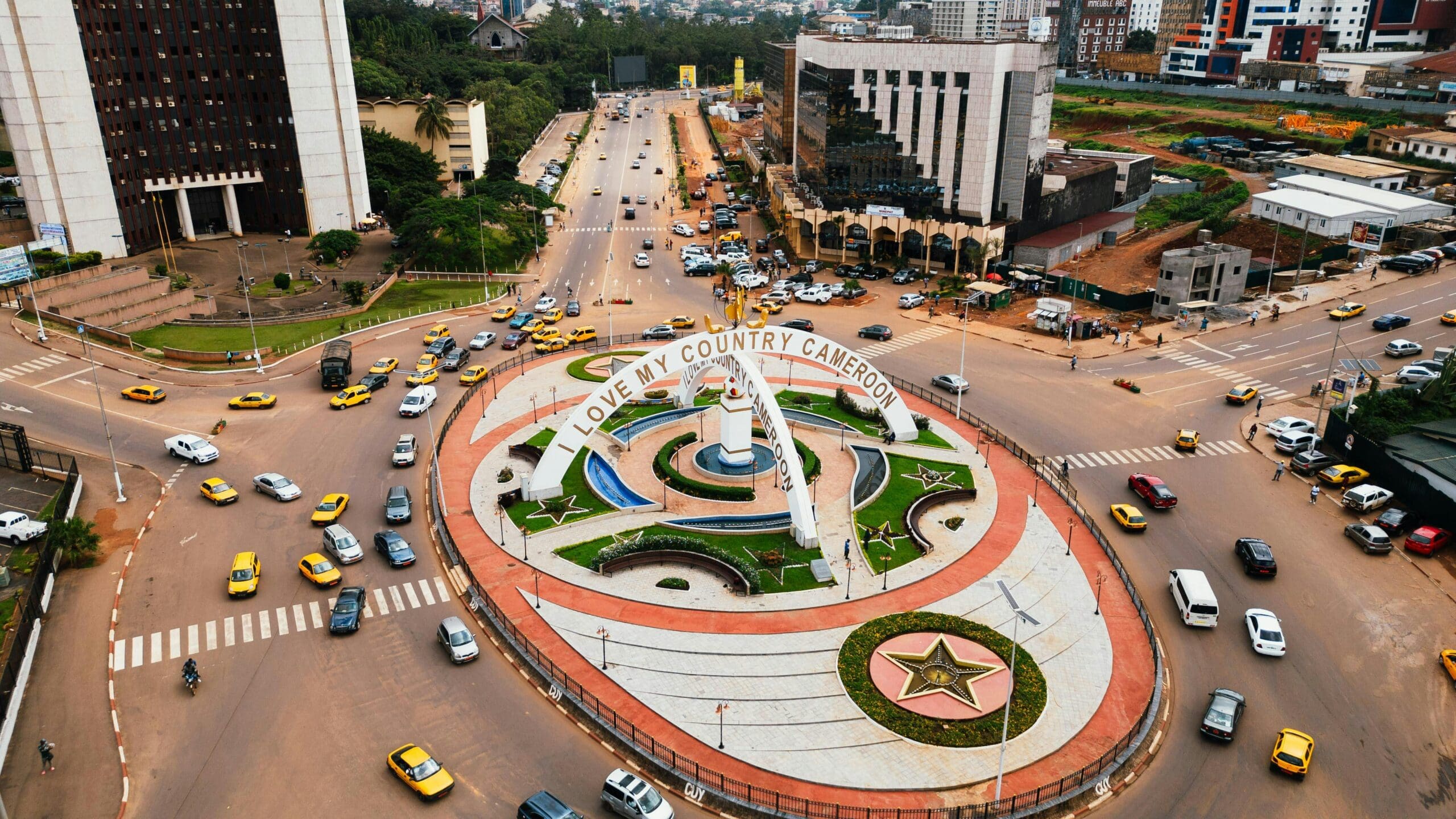
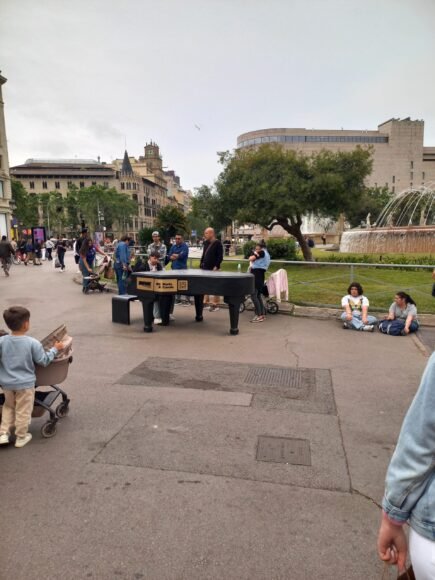
Illustrative Photo: https://www.pexels.com/photo/roundabout-in-yaounde-in-cameroon-17290974/




Leave a Reply