



By :
Bashy Quraishy :Secretary General – EMISCO -European Muslim Initiative for Social Cohesion – Strasbourg
Thierry Valle :Coordination des Associations et des Particuliers pour la Liberté de Conscience
Trump’s intervention in Venezuela and his provocative statements about Greenland, Iran, Cuba, and Colombia deserve strong condemnation from European leaders and decision-makers
On 3 January 2026, the U.S. military launched strikes on Venezuela, including in Caracas, targeting military and other infrastructure. During the operation, U.S. forces captured Venezuelan President Nicolás Maduro and his wife Cilia Flores. They were transported to the U.S. and taken into federal custody; Maduro pleaded not guilty to U.S. charges. President Trump stated that the U.S. would “run Venezuela” temporarily and oversee a transition, including managing its oil infrastructure.
The Trump administration provided multiple reasons for the action, such as labeling Maduro’s regime as a narco-terrorist organization responsible for drugs entering the U.S. Trump also portrayed Maduro’s rule as authoritarian and claimed intervention was in the interest of Venezuelans. He suggested Venezuela’s instability was contributing to illegal immigration to the U.S. border.
However, it is widely believed that the true motive was to control oil resources. Although officials downplay this, analysts and critics point out that Venezuela has the world’s largest oil reserves.
Was this a compulsive action or planned for a while?
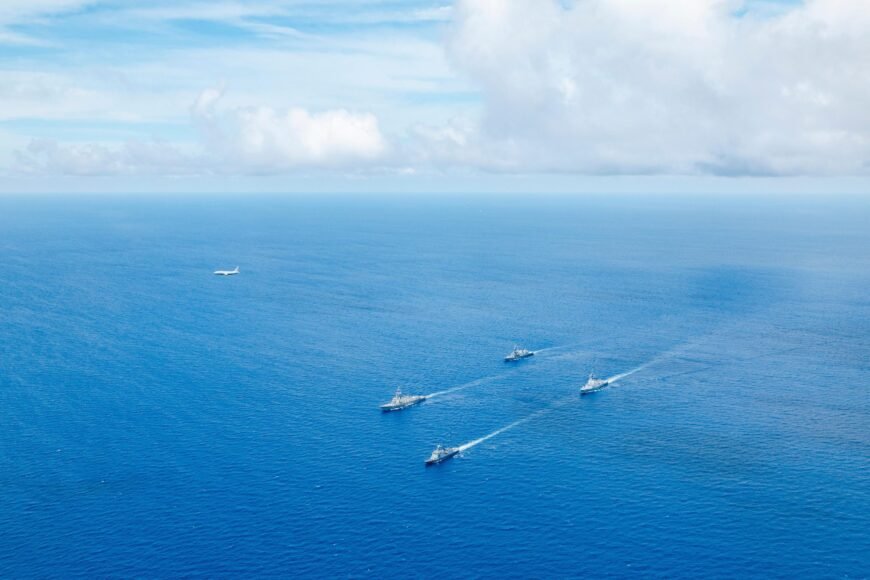
Starting in late 2025, the U.S. significantly increased military and covert operations, including deploying warships and marine units near Venezuelan waters. The U.S. conducted airstrikes on boats alleged to be drug traffickers, causing multiple casualties. Before the invasion, the U.S. navy seized Venezuelan oil tankers and blocked Venezuelan oil exports.
Additionally, Trump authorized CIA covert operations inside Venezuela months before the invasion. These actions indicate a rising pressure campaign leading up to the January operation.
All signs point to a planned invasion. The sequence of events suggests long-term preparation, not a sudden, reactive decision.
But Why Now?
There are few concrete public explanations for why the invasion occurred at this moment, but Venezuela’s oil and mineral wealth and its alignment with Russia and China may have been catalysts for the timing.
Historically, U.S. interventions in Latin America have invoked the Monroe Doctrine, counter-communism/pro-democracy rhetoric, and counter-narcotics enforcement, mainly limited to law enforcement cooperation. But direct invasion and capture of a sovereign leader go beyond recent U.S. interventions. Experts say this is unprecedented since Panama in 1989, when the U.S. removed Manuel Noriega, another leader accused of drug crimes.
This raises the main question; Is it legal under U.S./International doctrine?
Most analysts and international law experts view the invasion as illegal. Under the UN Charter, military force is only lawful with Security Council approval or in response to an imminent military attack—neither condition clearly applies in Venezuela’s case. Even the U.S. use of force against alleged drug traffickers prior to the invasion lacks established legal justification under international law.
This means the action breaks from both international norms and recent U.S. practice, not fitting neatly into accepted doctrines like humanitarian intervention, self-defense, or multilateral peacekeeping. Some observers say that Trump’s actions reflect a new, more assertive ideology of “America First” intervention. Trump reportedly referenced a modified Monroe Doctrine asserting U.S. geopolitical control in the hemisphere. The framing mixes security, resource access, and hegemony in ways older doctrines did not openly articulate.
The immediate and future consequences of the invasion
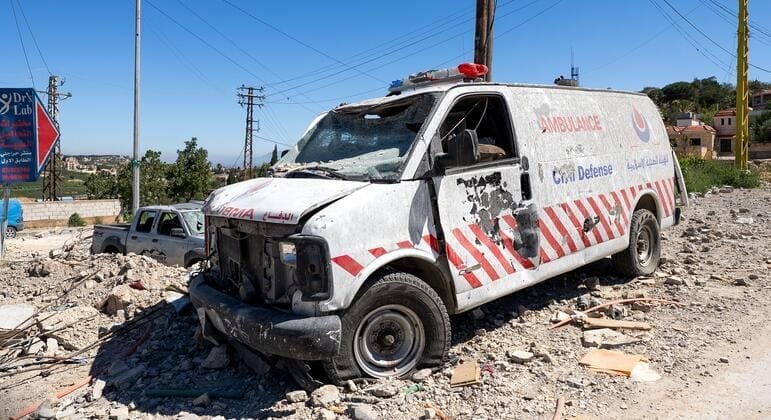
Inside Venezuela, Maduro’s removal has left a power vacuum. Vice President Delcy Rodríguez was sworn in as acting president, though the legal and constitutional situation is highly contested. Strikes caused casualties, including military personnel and civilians, which human rights groups have criticized. Venezuelan military and state infrastructure were damaged or disabled. Violence and uncertainty will likely drive additional migration and displacement, and Venezuelan oil production and state services are likely disrupted, deepening already severe humanitarian issues.
In the U.S., some political actors praised decisive action; others warned it risks broader conflict. Ret



Leave a Reply