


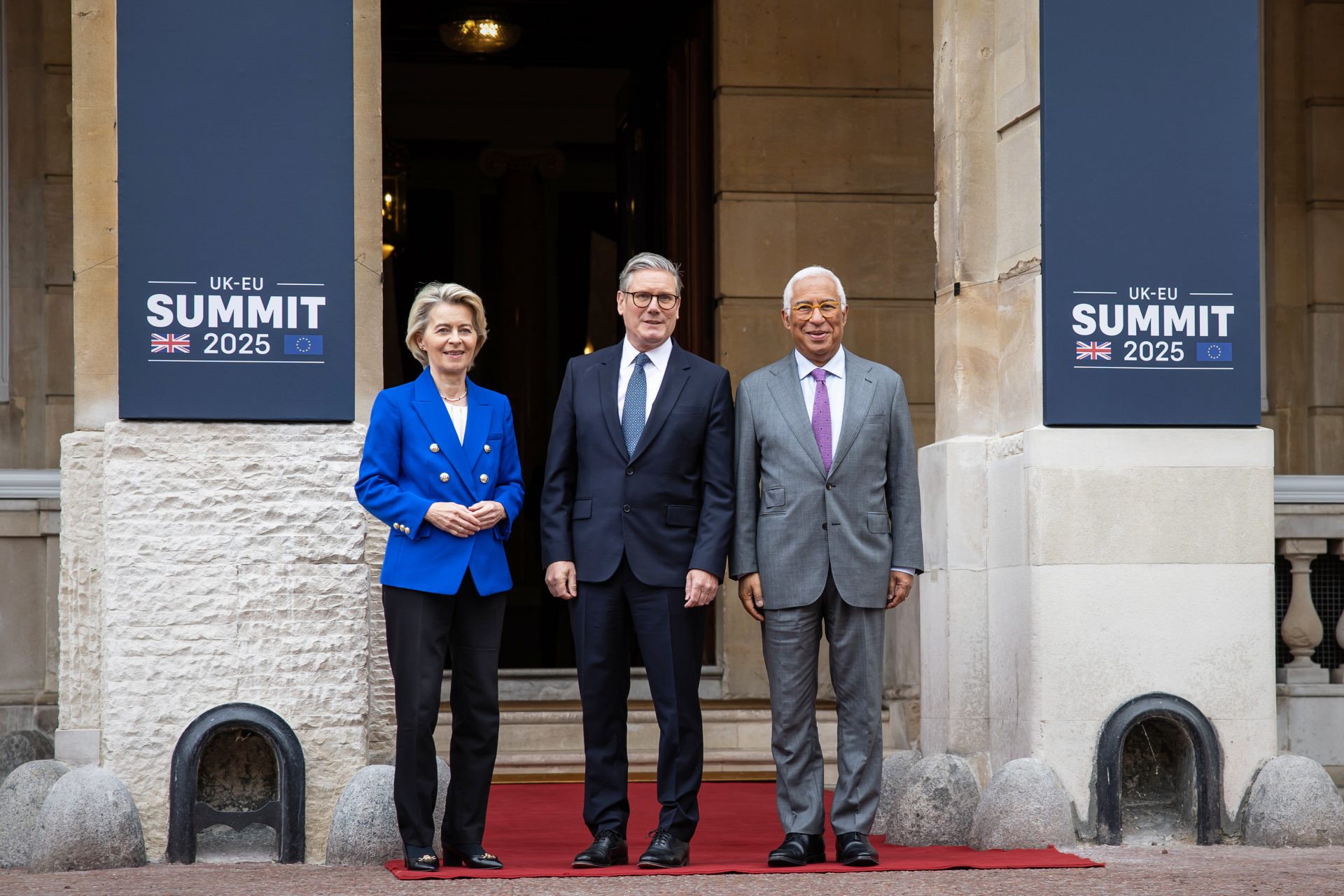
The UK government has announced a new “strategic partnership” with the European Union, which officials in London describe as a “historic turning point” in UK-EU relations. This agreement aims to enhance the British economy, alleviate the cost of living, and restore vital trade and technological connections with Europe, as highlighted in a recent statement from the Prime Minister’s office.
According to Downing Street, this agreement emerged from six months of intensive negotiations and includes measures projected to boost the UK economy by £9 billion by 2040. Labour leader Kir Starmer emphasized that this new approach is beneficial for jobs, household expenses, and border security.
It is important to note that while this agreement fosters closer ties, it does not return the UK to the single market, customs union, or free movement system, in line with the government’s established red lines. Nonetheless, it represents a significant shift toward realism, collaboration, and shared benefits.
A Fresh Start for Businesses and Households
One of the key features of the agreement is the new sanitary and phytosanitary (SPS) measures, designed to reduce bureaucratic hurdles at borders and streamline the movement of food and beverages. This is expected to restore the smooth flow of goods, particularly between Britain and Northern Ireland, leading to lower prices and increased variety in supermarkets.
Additionally, the agreement allows for the export of products such as burgers and sausages to the EU, which had ceased following Brexit, resulting in considerable losses for that sector.
Energy and Industrial Protections
Another vital aspect of the agreement involves connecting the emissions trading systems of both parties, which is anticipated to bolster the UK’s energy security and shield businesses from the EU’s impending “carbon tax,” potentially saving British companies £800 million annually.
The steel industry also received special attention, with a tailored framework designed to protect exports from new EU tariffs, saving the UK £25 million annually, according to Downing Street.
Advantages for Citizens and Travelers
The agreement brings notable benefits for citizens as well:
British tourists will gain access to more eGates across Europe, reducing border wait times.
The reintroduction of the “pet passport” for dogs and cats will simplify the travel process, eliminating the need for lengthy health certificates.
Discussions are also beginning for a youth exchange program, enabling young people to live, work, and travel in Europe more flexibly, akin to the arrangement between Australia and New Zealand.
Security and Migration Focus
This agreement also enhances cross-border security through access to biometric data of EU individuals and intensifies collaboration to combat illegal migration, including efforts to manage dangerous crossings across the English Channel.
A new Security and Defense Agreement has been established, allowing the British defense industry to engage with the proposed European “SAFE” fund, which totals £150 billion.
“It’s time to move forward. To put old disagreements behind us and pursue practical solutions that benefit the British people. Britain is re-emerging on the global stage with a government dedicated to serving workers,” stated Prime Minister Kir Starmer. European Affairs Minister Nick Thomas-Symonds added, “Today marks the beginning of a new chapter in our relationship with the EU—one that prioritizes the needs of workers across the UK.” (May 19, 2025)
Image Source: EC/EU










Leave a Reply