


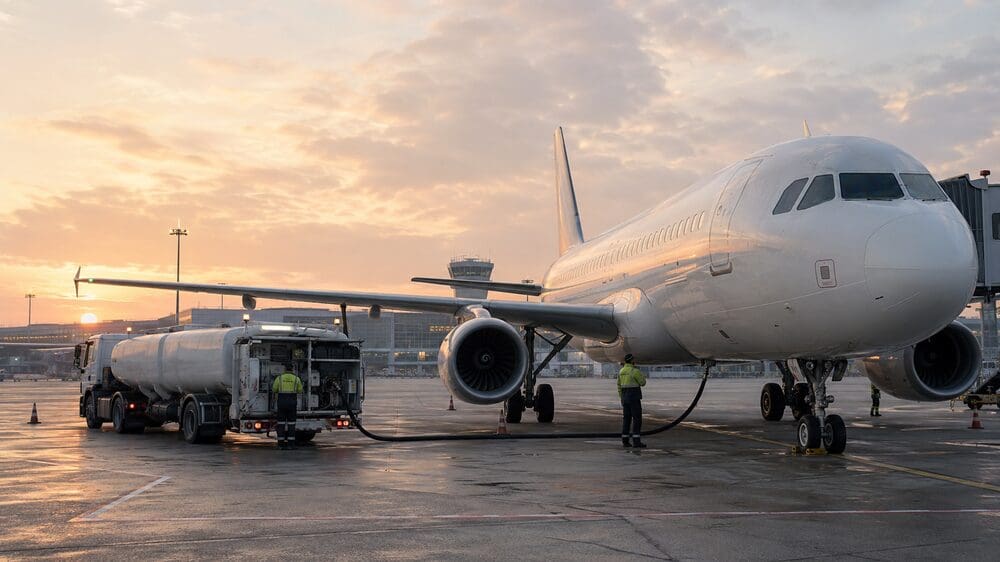
Brussels says there are no current signs of a shortage, but the cost shock is still testing airlines, passengers, and Europe’s energy resilience.
The European Union reports no imminent jet fuel shortage in Europe, reducing fears of extensive summer disruption. However, high fuel prices due to the Iran conflict and prolonged Gulf oil flow strain are prompting airlines to reassess weaker routes, highlighting how swiftly geopolitical shocks can impact European travelers.
BRUSSELS — Europe seems to have dodged the immediate aviation fuel crisis that concerned airlines and airports earlier this spring, but pressures remain. EU Transport Commissioner Apostolos Tzitzikostas stated there is “currently no jet fuel shortage in Europe,” according to a Reuters report from June 5.
This reassurance is crucial as the aviation sector enters its busiest travel season after months of uncertainty over the Strait of Hormuz, a vital global oil shipment route. Reuters noted the waterway has been mainly shut for three months, reducing oil supplies by about 14 million barrels daily, while Europe has leaned more on U.S. and Nigerian supplies to bridge part of the gap.
Tzitzikostas cited Europe’s refining capacity as a reason for the improved supply outlook, noting the region produces over 70% of its jet fuel consumption. Yet, he acknowledged the significant economic issue: prices surged after the war outbreak and remain high, rendering some routes commercially unattractive.
Supply resilience does not mean price relief
The distinction between fuel availability and affordability is now central. A shortage would risk abrupt cancellations and operational disruption. Prolonged high prices can cause slower but significant impacts: route cuts, higher fares, reduced connectivity, and more pressure on low-margin carriers.
Jet fuel is a major airline cost. Reuters cited the International Air Transport Association, noting it typically constitutes 25% to 30% of operating expenses. When costs rise sharply, carriers have limited options: absorb losses, pass costs to passengers, reduce frequencies, or cancel marginal routes.
This is particularly concerning for smaller regional airports and communities relying on air links for tourism, business travel, family connections, and service access. Larger hubs might better absorb volatility, while thinner routes quickly become vulnerable as fuel prices stay elevated.
EU coordination remains active
Brussels already highlighted the need for close monitoring. In May, the Commission remarked after an Oil Coordination Group meeting that no fuel shortages were in the EU at that time, but regional supply constraints could arise if the Strait of Hormuz blockage persisted.
The group included the Commission, EU countries, the International Energy Agency, NATO, and industry representatives. Discussions covered emergency stocks, possible fuel-saving measures, and guidance for the transport sector, including regulatory flexibilities and the safe use of Jet A aviation fuel in Europe.
Currently, the EU’s message is measured: the system is under pressure but not collapsing. This stance may calm markets and passengers but also poses a policy challenge. If airlines reduce connectivity due to high costs, regions and households could be unevenly affected.
A wider test of Europe’s exposure
The aviation fuel issue fits a broader pattern. Europe’s economy is exposed to external energy shocks even as the EU aims to reduce dependence on volatile fossil-fuel markets. The European Times previously reported on how the current energy shock has raised stagflation concerns, with higher imported fuel costs threatening prices and growth.
In aviation, these pressures are practically visible. A commercially canceled route may not seem like an energy crisis, but affected travelers and regions may feel it as such. The risk extends beyond empty tanks to the gradual narrowing of affordable mobility.
Transparency is crucial. Passengers need clear information when schedules change, airlines require predictable regulatory guidance, and policymakers should avoid presenting the absence of a shortage as the end of the problem. Europe may have gained time through diversified supplies and domestic production, but high prices continue to test resilience.
The upcoming weeks will reveal whether the EU’s reassurances hold through peak travel demand. If fuel costs ease, the aviation sector might avoid deeper disruption. However, if they remain high, the debate could shift from emergency supply to fairness: who bears the cost of Europe’s exposure to another global energy shock, and which communities lose connectivity first?







Leave a Reply