


Tensions increased in December when President Vučić skipped an EU-Western Balkans summit. Vučić, who has maintained strong connections with Moscow during its conflict with Ukraine, criticized the slow progress of EU membership negotiations.
In a joint article with his Albanian counterpart in February, he expressed a preference for enhanced economic ties with the EU, such as joining the single market and free travel area, over full political membership. Kos rejected these proposals, stating that substantial reforms would still be necessary to achieve this.
Last month, Serbia faced criticism over reports of violence and irregularities in local elections, as well as a university police raid that led to clashes with students.
An EU official mentioned that recent developments, along with Serbia’s ongoing cooperation with Moscow, had been a tipping point for the EU’s relations with Belgrade, prompting a tougher stance from the EU executive.
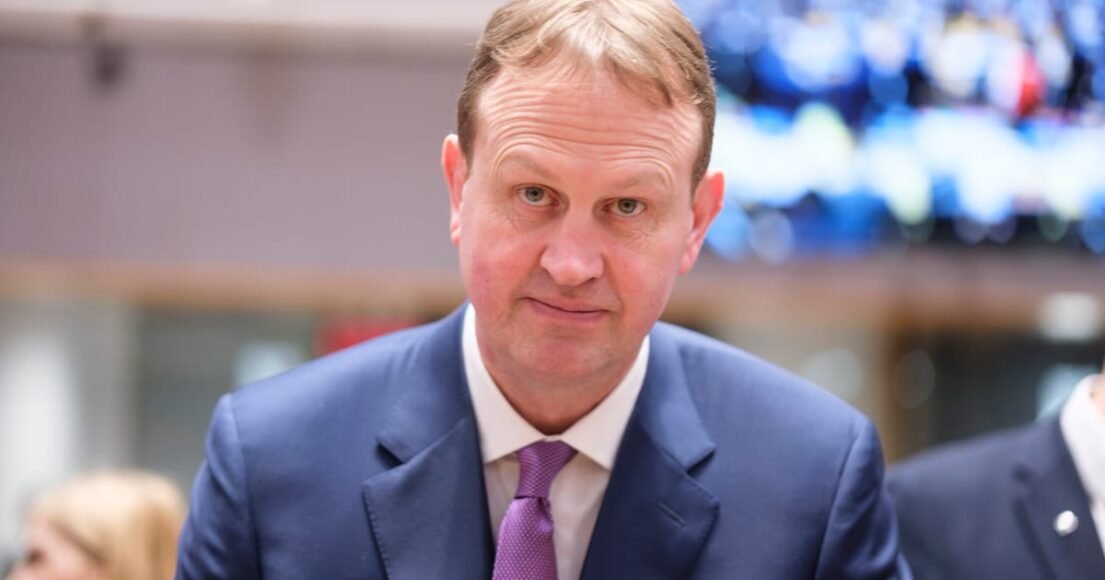
“As a candidate country, we also expect Serbia to align more closely with our foreign policy and positions,” Kos told POLITICO, without directly mentioning Russia.



Leave a Reply