


Volkswagen Faces Big Risk as New Tariffs Threaten Global Auto Trade
Volkswagen, whose luxury brand Porsche designs and manufactures all its vehicles in Europe but has its highest sales volume in the U.S., is especially exposed to the potential fallout of new U.S. tariffs.
However, the impact of these measures won’t be limited to German automakers alone.
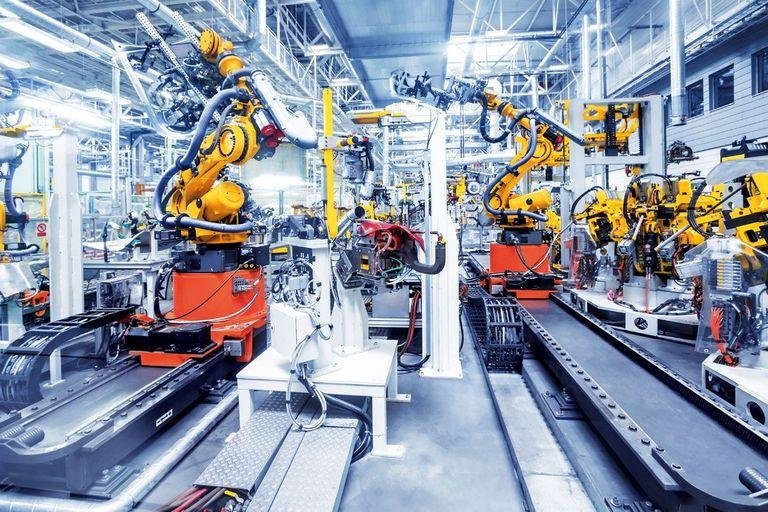
Due to the longstanding North American free-trade agreement, the car industry across the U.S., Mexico, and Canada has evolved into an intricate web of cross-border manufacturing. Auto parts and finished vehicles routinely travel back and forth between these countries multiple times before arriving on dealership lots. European manufacturers are firmly embedded in this ecosystem.
“Today’s vehicle production transcends national boundaries,” said Matthias Zink, president of European automotive supplier lobby CLEPA. “Transatlantic automotive supply chains are tightly integrated, and these protectionist tariffs threaten to unravel trading partnerships that have taken decades to build.”
In addition, former U.S. President Donald Trump is warning of potential countermeasures against countries that impose retaliation on next week’s tariff plans.
The timing for this trade clash couldn’t be worse for Germany’s car industry, according to Lucas Redeker of the Jacques Delors Centre. He argued that German manufacturers are currently grappling with major disruptions in both China and the U.S.
“There’s a real threat of German carmakers being cut off from the U.S. market,” he warned. “Germany’s two biggest non-EU export markets — China and the U.S. — are drying up, for different reasons, but simultaneously.”
Reporting contributed by Nette Nöstlinger, Camille Gijs, Joshua Berlinger, and Oliver Noyan.





Leave a Reply