


Frustration over the deadlock is increasingly visible, with a coalition led by Germany and Sweden advocating to significantly restrict or completely eliminate national vetoes that permit a single nation to block action.
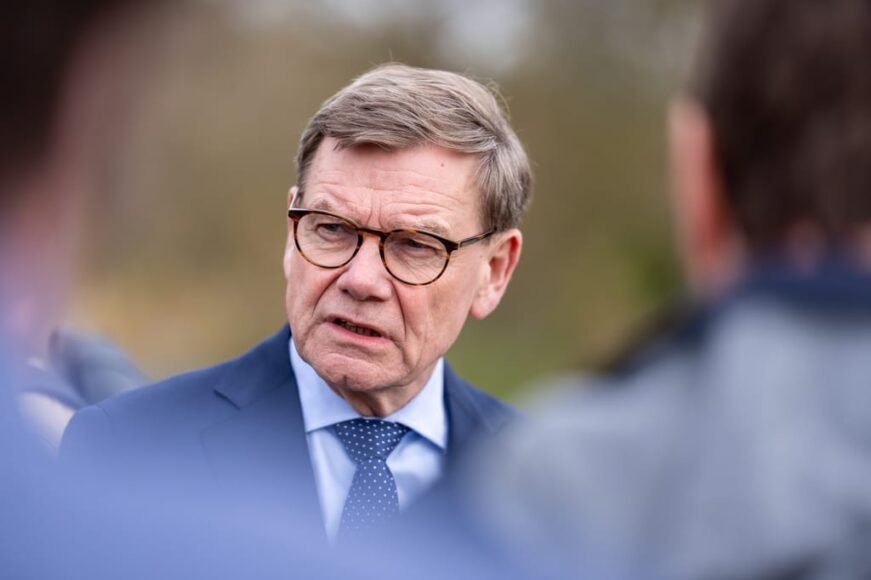
“We should abolish the unanimity principle in the EU in foreign and security policy before the end of the current legislative period to be better capable of acting internationally and to be truly grown-up,” stated German Foreign Minister Johann Wadephul on Saturday, as reported by the German Funke Group. “All the experience we have gained over recent weeks with aid for Ukraine and sanctions on Russia indicate this.”
Last month, Swedish Prime Minister Ulf Kristersson mentioned that discussions about employing qualified majority voting for foreign policy decisions would “come up again” among leaders. This push occurs as Hungary, less than a week before its April 12 election, has continuously stalled significant decisions, including the €90 billion loan to Kyiv, raising concerns in other capitals that EU foreign policy outcomes can be influenced by domestic politics. Even if Prime Minister Viktor Orbán were to lose power, diplomats caution that the issue would persist, with unanimity enabling any government to assume the same blocking role.
“There are serious problems in how we take decisions,” said Spanish Socialist lawmaker Nacho Sánchez Amor, who is on the European Parliament’s foreign affairs committee, to POLITICO. “Every month there’s a new issue that highlights this trend. We have to react.”
Another faction, including France, Belgium, and smaller member countries wary of being overpowered, is resolutely defending the veto right, asserting it is crucial to their national interest.
“Launching a debate now on European unanimity rules, I think, would be the shortest way to get it in real trouble,” Belgian Prime Minister Bart De Wever stated to reporters in Brussels last month.






Leave a Reply