



European Union’s Erasmus+ Programme is the European Commission’s Programme for Education, Training, Youth, and Sport for the term 2021–2027, following the previous programme (2014–2020). The word “Erasmus” also served as the acronym for “European Community Action Scheme for the Mobility of University Students.” As a unified programme, the EU Erasmus+ Programme presents more opportunities for mobility of learners and collaboration across the education, training, and youth sectors and is easier to access compared to its predecessors, with simplified funding management and a structure designed to streamline administration. The new Erasmus+ Programme, spanning 2021–27, is more digital, inclusive, creative, and greener.
The Erasmus+ Programme for the European Union covers the 27 EU Member States and 6 non-EU-associated nations, with 55 National Agencies tasked with the decentralized administration of most of the programme’s activities. Other nations across the world may also participate in certain parts of the programme. The overall responsibility for management, direction, and assessment of the programme lies with the European Commission (Directorate-General for Education, Youth, Sport, and Culture), supported by its Education, Audio-visual, and Culture Executive Agency (EACEA).
What is the main goal of the Erasmus+ programme?
The purpose of “Erasmus+” is to facilitate transnational learning mobility and collaboration between organisations and policymakers, as a way to improve quality and excellence, support inclusion and equity, and foster creativity and innovation in education, vocational training, youth, and sport. In all these areas, the goal is to provide support, through lifelong learning, for the academic, professional, and personal development of participants in Europe and beyond.
Key Components of the Erasmus+ Programme
The programme’s goal is accomplished through three core actions:
- Key action 1: Learning mobility of individuals
- Key action 2: Cooperation among organisations and institutions
- Key action 3: Support to policy development and cooperation
Other activities include “Jean Monnet” initiatives, which support teaching, learning, research, and debates on European integration topics, such as the EU’s future challenges and opportunities.
How has the Erasmus+ programme evolved since its inception?
Erasmus+, also known as Erasmus Plus, was the new 14.7 billion euro catch-all framework for education, training, youth, and sport from 2014 to 2020. The Erasmus+ Programme merged all the EU’s schemes for education, training, youth, and sport, including the Lifelong Learning Programme. The Erasmus+ regulation was established on 11 December 2013.
This EU Erasmus+ Programme provided grants for a wide range of activities, including opportunities for students to take on work placements abroad and for educators and staff to engage in training programs. Projects are divided into two parts – formal and non-formal education – each with three key steps. Erasmus+ Key Action 1 provides unique opportunities for teachers, headmasters, and other education professionals to participate in international training courses across Europe.
On 30 May 2018, the EU Commission proposed the next Erasmus Programme, doubling the funding to 30 billion euros for 2021–2027. Further negotiations were anticipated during the 2019–2024 European parliamentary period with the European Parliament and European Council before final approval. The agreement between the European Parliament and European Council was finalized, and the new regulation 2021/817 establishing the updated Erasmus+ Programme was published on 28 May 2021.
Comments
4 responses to “EU Erasmus+ Programme Revolutionizing Education Across Europe”
-
Oh, great, just what we needed—a fancy EU programme to send our students gallivanting around Europe while the rest of us are stuck in traffic. 🙄 I guess it’s like a holiday, but with a side of bureaucratic paperwork! ✈️📚
-
Oh, absolutely brilliant! Just what we need—more bureaucratic jargon to “streamline” education while we all grab our euros and hop on a train to who-knows-where for a “learning experience.” 🎓✈️
-
Oh joy, another EU initiative to make us feel like we’re all part of a grand educational utopia! 🎉 Because nothing says “effective learning” like navigating 55 national agencies and a 30 billion euro budget—cheers to bureaucracy! 🍻
-
Oh great, a €30 billion scheme to send students gallivanting around Europe while we sit in our offices pretending to be impressed. Next, they’ll be giving out medals for just showing up! 🇪🇺💼

Last News
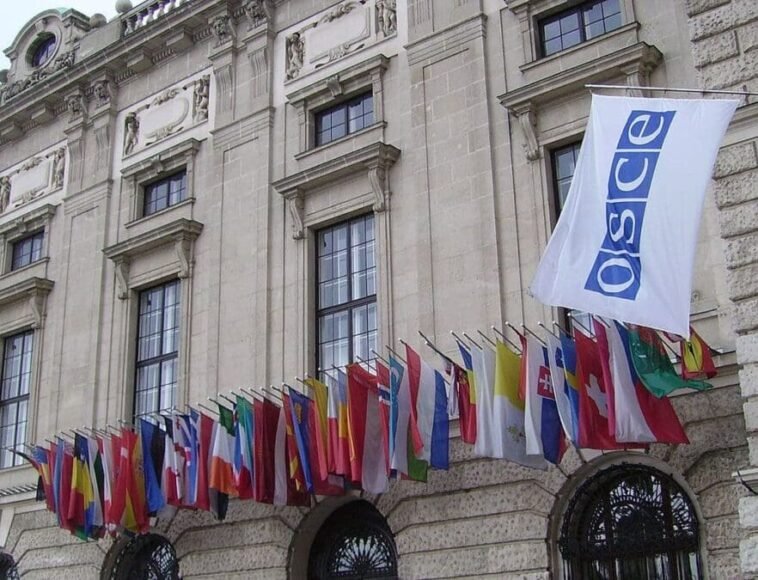
OSCE Conference Explores Democratic Legislation
At the midpoint of a two-day OSCE human-dimension meeting in Vienna, attention has focused on a growing concern across Europe and beyond: how democracies can be weakened not just by open repression, but also by the laws they enact, the manner in which they are passed, and the safeguards that fail to halt democratic erosion in time.
As delegates continued through the second day of the first Suppl
EU-Kommission plant Überarbeitung der Marktreserve vor ETS-Reform
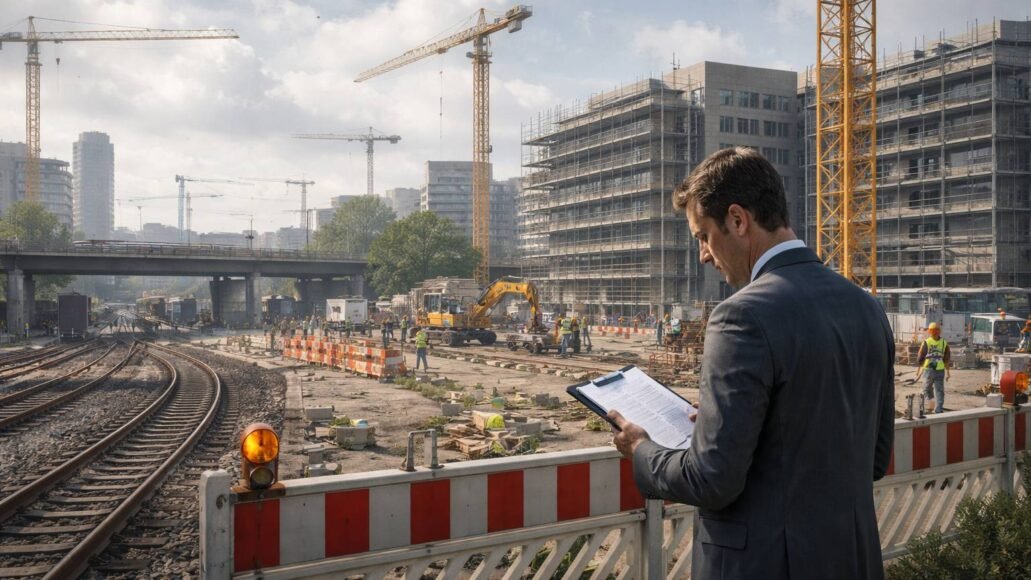
Germany’s €500bn Fund Faces a Reality Check
Europe Rejects Trump’s Iran Demands
Progress is being made on enlargement. Ukraine and Moldova are advancing in their EU accession talks, while Montenegro is set to close another chapter.
The conflict with Iran is challenging transatlantic unit
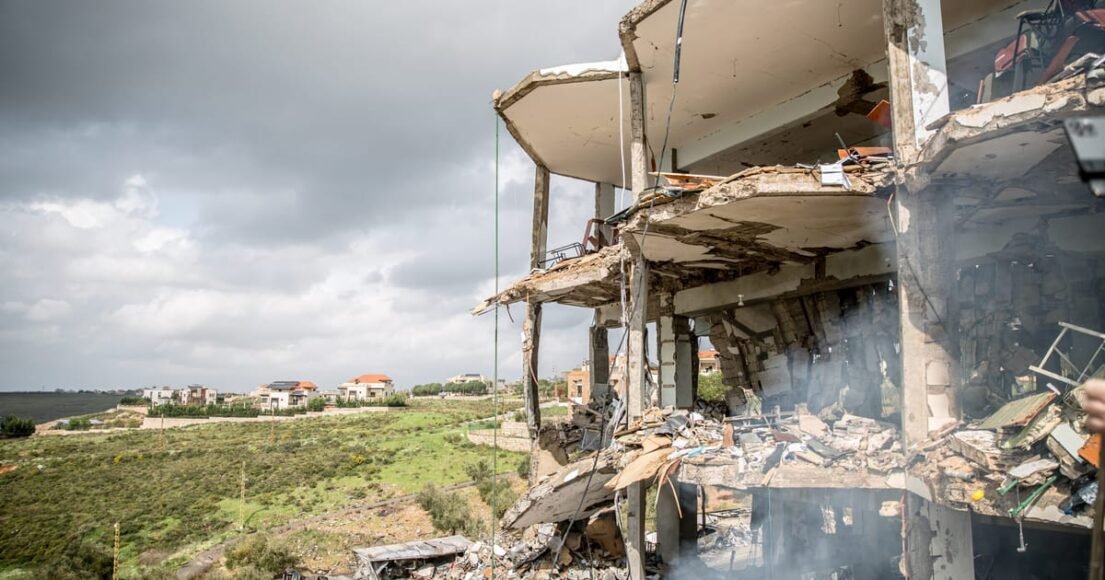
European Leaders Caution Israel Against Lebanon Ground Offensive
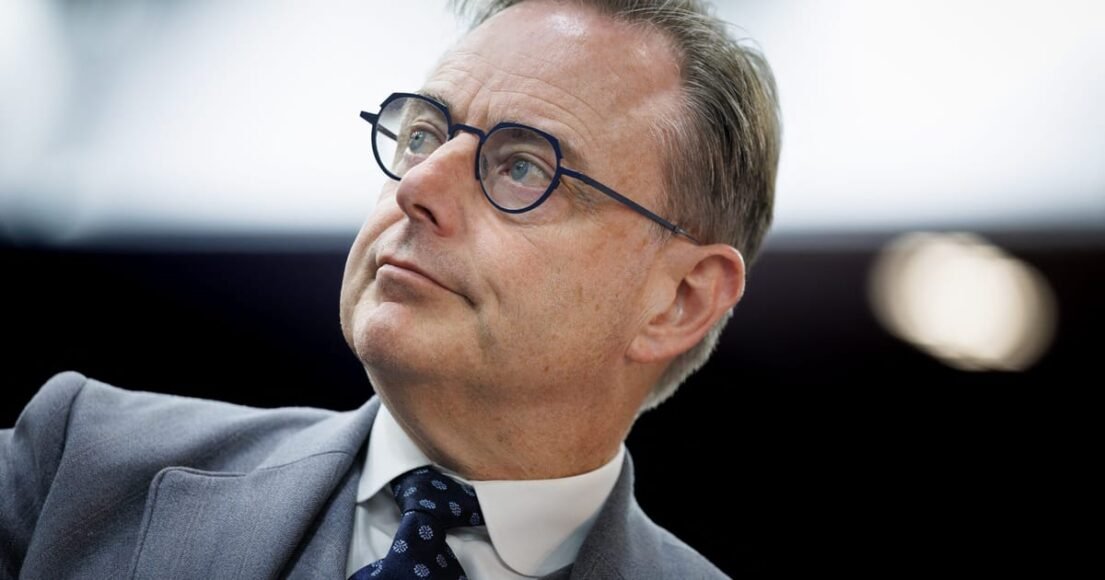
Bart De Wever’s Russia Comments Challenge Belgian Coalition Unity
De Wever’s comments follow a poll showing his widespread support, with his popularity at a record high in Flemish-speaking areas and growing in Wallonia, possibly explaining his stance.
“The conflict must end for Europe’s interest. We must not b
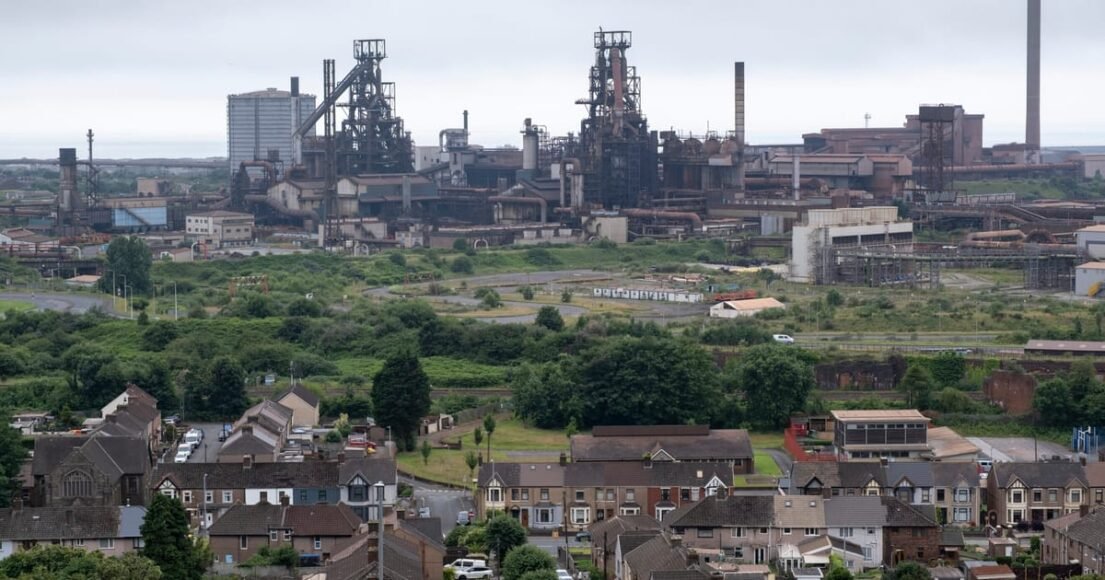
UK to Increase Steel Tariffs to 50% in New Sector Strategy This Week
Anonymity was granted to the figures as they weren’t authorized to speak publicly.
In October, the EU announced a cut in foreign steel import quotas by nearly half, with a 50 percent tariff on excess goods. This
Iran Escalates Strikes on the United Arab Emirates
EU Diplomat to Trump: Europe Seeks to Secure Strait of Hormuz
“We will discuss with member states if changing this mission’s mandate is feasible,” Kallas stated. “We have proposals available… The question
Former Top Diplomat Criticizes EU for Not Confronting Trump, Claims Loss of Credibility
Represent
Leave a Reply