


The European Commission is considering ways to enhance the system, including introducing safeguards and transition periods before full membership rights are granted. The Commission is consulting with member countries who are worried that future enlargements could complicate the decision-making process or allow new governments to reverse reforms post-accession.
Countries like France, Germany, and the Netherlands maintain that any EU expansion should include guarantees that reforms will persist and that new member states will not disrupt the balance of power within the bloc.
German Chancellor Friedrich Merz and French President Emmanuel Macron support a phased approach to integration, proposing that Western Balkan nations like Albania receive economic and political benefits prior to achieving full membership.
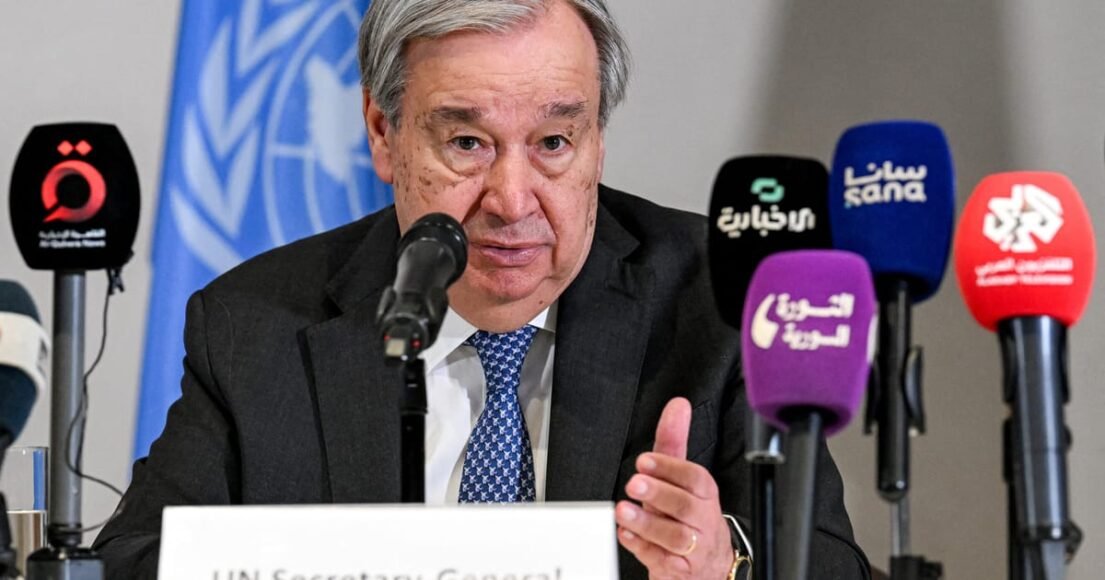
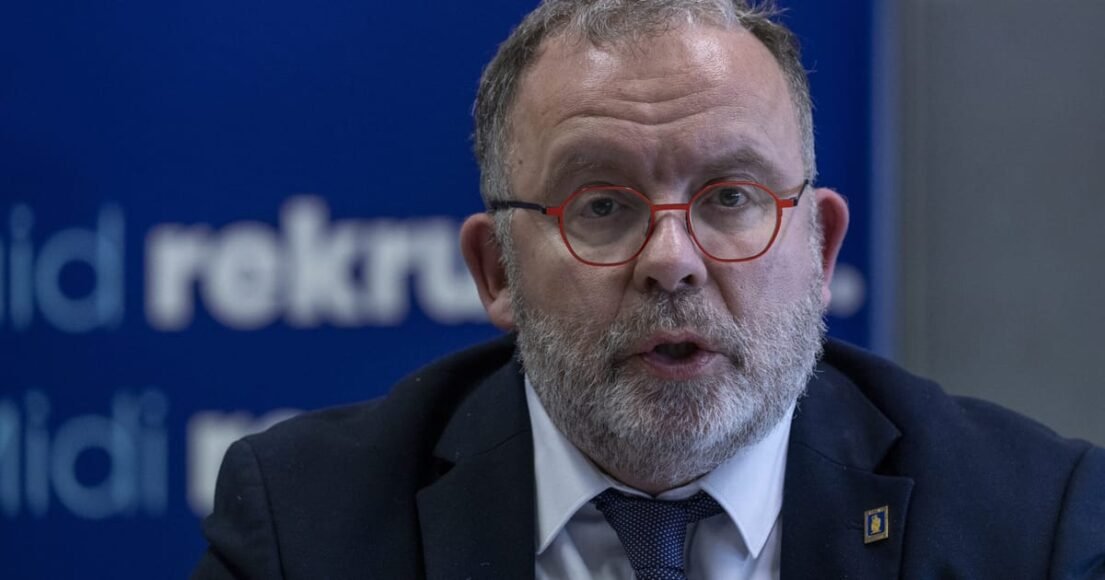
Kos noted an increased engagement from leaders in member states, sharing ideas based on past experiences where rule adherence was problematic.
Under Viktor Orbán, Hungary often blocked consensus on issues like sanctions on Russia and used its veto to slow support for Ukraine, resulting in over €10 billion in EU funds being frozen due to democratic and judicial breaches, a situation diplomats want to avoid in the future.
Recently, Montenegro, with a population of just over 600,000, began drafting its EU accession treaty, raising hopes of becoming the first to join since Croatia in 2013. Kos believes this treaty could serve as a model for future accessions.







Leave a Reply