



Brussels/Vienna (APA) – The European Union’s free trade agreement with the South American Mercosur countries is nearing completion after over 25 years of negotiations. On Friday, ambassadors from the 27 EU member states approved the agreement by a majority vote. Reactions in Austria are mixed; while business leaders are pleased, farmers and environmentalists express dissatisfaction, as Austria is bound by a parliamentary resolution against the agreement.
EU Commission President Ursula von der Leyen is expected to sign the agreement next week with Mercosur nations Argentina, Brazil, Paraguay, and Uruguay. France and Poland maintained their opposition but were outvoted, thanks to a shift in stance from Italy, which was initially critical. German Chancellor Friedrich Merz called it a “milestone,” and representatives from Austrian and German business sectors expressed relief.
The agreement aims to establish the world’s largest free trade zone, encompassing over 700 million residents. Bolivia recently joined the Mercosur bloc. Supporters, including the EU Commission and Germany and Spain, view this as a chance to access new markets, compensate for business lost due to U.S. tariffs, and reduce reliance on China for vital raw materials.
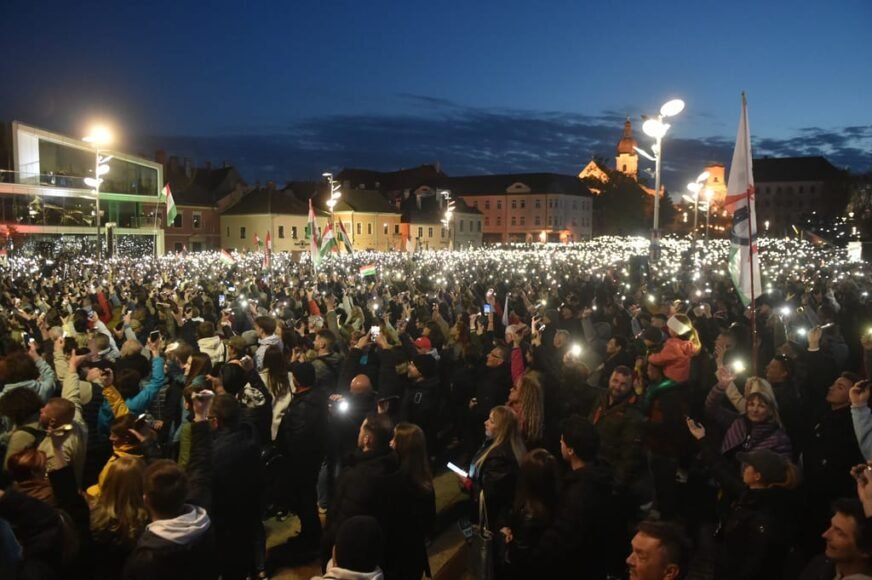
Conversely, opponents like France fear increased imports of cheap products such as beef, poultry, and sugar, which could harm local farmers. There have been widespread protests from farmers across the EU. On Friday, highways in France and Belgium were blocked again, and protests occurred in Poland as well. Tensions were high in Austria too.
Dissatisfaction Among Austrian Farmers
Business leaders expressed support for the agreement, while the agricultural and environmental sectors voiced concerns. This divide was evident within the ÖVP, with the business association in favor and the farmers’ association opposing. Despite general skepticism from the SPÖ, Vienna’s mayor Michael Ludwig acknowledged the agreement, citing safeguard clauses for farmers and geopolitical considerations. The FPÖ and the Greens, along with environmental groups like Global 2000 and Greenpeace, oppose the deal, while NEOS supports it.
“The EU-Mercosur agreement is a significant achievement in European trade policy and demonstrates our strategic autonomy and capability,” remarked German Chancellor Merz in Berlin. He emphasized the importance of strengthening economic ties with South America, beneficial for both Germany and Europe, but noted that 25 years of negotiations were excessive. He highlighted the need to swiftly conclude additional free trade agreements, including one with India, where he plans to travel on Sunday.
“The Battle Is Not Over”
The agreement, which still requires European Parliament approval, will eliminate tariffs of four billion euros on EU exports. EU-Mercosur trade, valued at 111 billion euros in 2024, is set to expand. To address concerns, the EU Commission has proposed safeguard measures to suspend imports of specific agricultural goods if necessary, alongside tightened import controls and a crisis fund. However, these concessions did not persuade Poland or France, though Italy shifted from opposition to support, securing the necessary majority.
French Agriculture Minister Annie Genevard stated the fight is not concluded, vowing to advocate for rejection in the European Parliament, where the vote could be close. European environmental organizations also oppose the agreement. However, Bernd Lange, the chairman of the Parliament’s trade committee and a German Social Democrat, expressed optimism about the agreement’s passage. A final vote is anticipated in April or May. (01/09/2026)




Leave a Reply