



Brussels – The European Council recommends improved protection against second-hand smoke and aerosols.
The EU Council has assumed a recommendation that will assist reduce exposure to second-hand smoke and aerosols and attain a tobacco-free generation in Europe by 2040 as outlined in Europe’s Beating Cancer Plan.
According to the EU Council, the recommendation on smoke and aerosol-free environments enables EU countries to widen the scope of their existing protection against second-hand smoke exposure to include crucial outdoor areas like playgrounds and restaurant decks. The new steps will also apply to emerging tobacco and affiliated products such as e-cigarettes and heated tobacco products (HTPs).
In his remarks, Péter Takács, Hungarian Secretary of State for Health said: “The fight against non-communicable diseases, such as cancer and cardiovascular disease, is a priority for the Hungarian presidency. Today’s recommendation will help prevent such diseases by reducing the likelihood of exposure to second-hand smoke and aerosols, particularly among children and young people.”
How will the new measures counter emerging tobacco products?
Since the adoption of the last EU Council recommendation on smoke-free places in 2009, many new tobacco and affiliated products have been designed, including e-cigarettes, heated tobacco products and agitated herbal products. Their emissions may be inhaled by onlookers, exposing them to potentially dangerous levels of toxicants, contaminants, and other air contaminants.
The proposal adopted develops the provisions of the 2009 recommendation for aerosol-emitting products. To deliver effective protection, EU countries will be encouraged to additionally restrict the use of these products in particular public spaces, public transport as well as in the workplace.
Moreover, the new recommendation also identifies the prevalence and potential toxic effects, particularly to children and young individuals, of second-hand orientation to smoke and aerosols in outdoor spaces. These areas include restaurant terraces, gardens, beaches and public transport. The EU Council thus recommends that EU countries extend safety from second-hand smoke and aerosols to include a wider range of places.
Comments
2 responses to “EU Council Advocates Strengthened Smoke-Free Workplace Rules”
-
Oh, fantastic! Just what we need—more rules to make our outdoor cafés feel like a sterile hospital waiting room. 🍷💨 Who knew fresh air could come with a side of bureaucracy?
-
Oh, fantastic! Just what we needed—more regulations to stop us from enjoying our “smoke breaks” in peace. 🍃 Because nothing screams ‘freedom’ quite like a tobacco-free generation by 2040! 🤨

Last News

Ukrainian Doctors Train in Antwerp for Kyiv Burn Centre Supported by Belgium
Antwerp (Brussels Morning Newspaper) – Doctors from Ukraine are acquiring practical experience in Antwerp under the auspices of a Belgian strategy which entails setting up a specific center in Ukraine, specifically in Kyiv, where burns could be effectively managed. This initiative was unveiled in mid-August, 2026 when a delegation paid a visit to Ukraine and included an investment of €10 million
Acquittal in Malta Leaves Daphne Case Unresolved
Businessman Yorgen Fenech has been found not guilty by a Maltese jury of being complicit in the 2017 assassination of investigative journalist Daphne Caruana Galizia. Despite the verdict, which reflects a failure by prosecutors to convince t
The Solo Crusader Against Gianni Infantino
Visitatieschool Students to Use Renovated Cafeteria This School Year
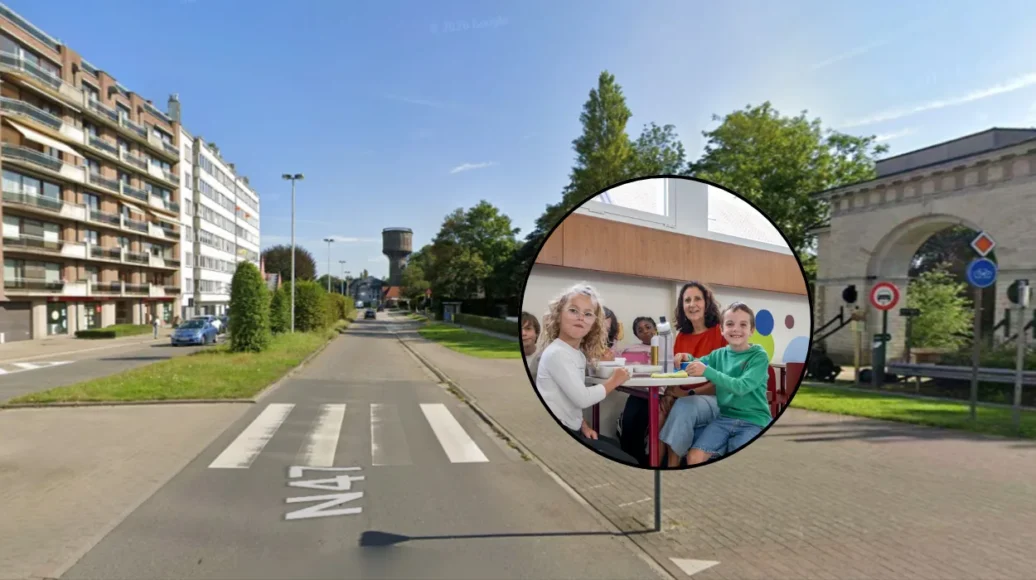
Dendermonde (Eurotoday Newspaper) – Children at Visitatieschool will have lunch in the renovated refectory starting this school year, marking a significant improvement in daily school life for students and staff alike. The announcement comes as schools across Belgium reopen following summer break, with infrastructure upgrades taking centre stage in efforts to enhance the learning environment.
Were All Ottoman Sultans Followers of Sufism?
Early Period
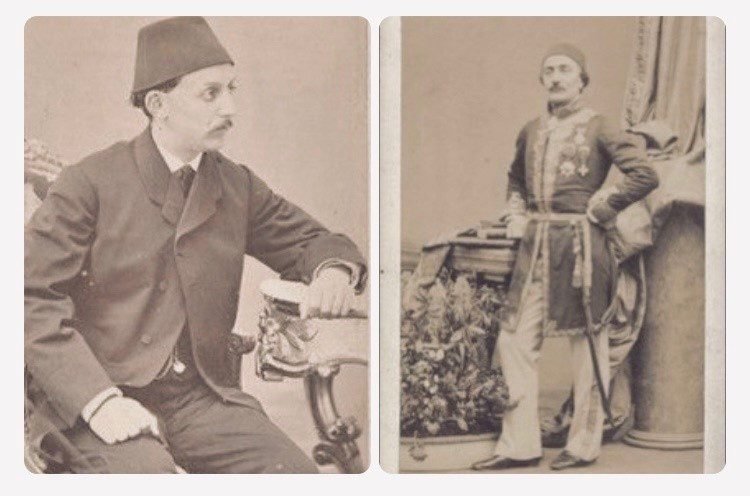
Osman I and his son Orhan were members of the Vefâiyye sufi order led by the legendary grandmaster Edebâlî.
Murad I the Benevolent was a follower of the mystic Seyyid Mehmed Hammârî of Tabriz.
Bayezid I the Thunderbolt was a disciple of the Nurbakhshiyye order grandmaster Emir Sultan.
Mehmed I the Prince followed the Zeyniyye order’s leader Molla Fenari.
Murad II was a Mevlevî under
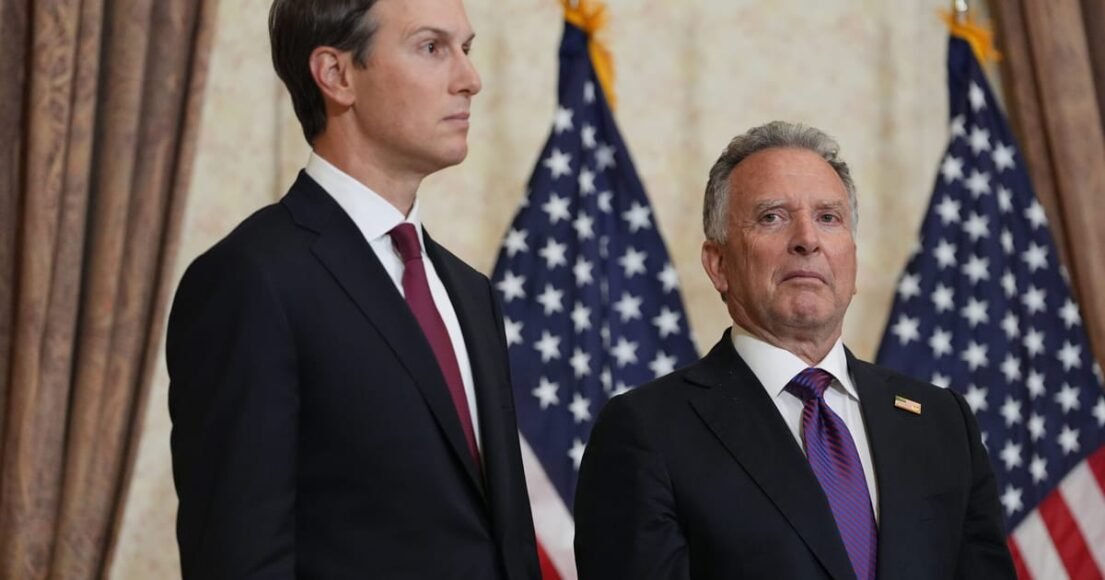
Witkoff and Kushner to Visit Moscow and Kyiv on Sunday
The two men have been important U.S. mediators in the halted Ukraine peace negotiations. Witkoff has taken multiple trips to Moscow for discussions with Russian President Vladimir Putin in 2025 and early 2026 and has met with Zelenskyy in the U.S., Germany, and France. This upcoming jou
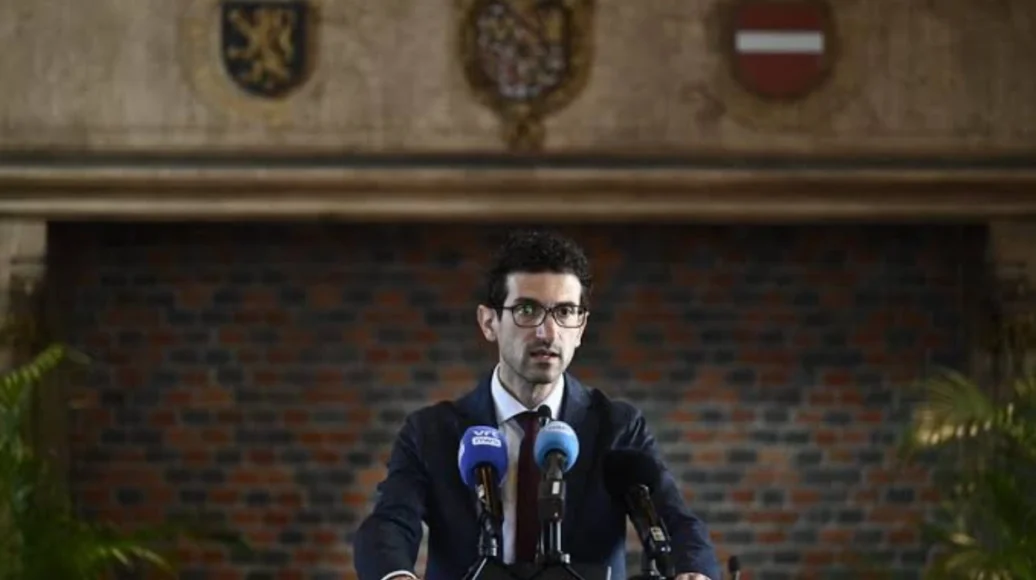
Belgian Jews Condemn Leuven’s Ban on Israeli Club Match as Antisemitic
Leuven (Eurotoday Newspaper) -The Mayor of Leuven, Mohamed Ridouani, has banned the playing of the Europa League game between Union Saint-Gilloise (USG) and Hapoel Be’er Sheva from Israel based on the grounds of safety concerns due to the ongoing war between Israel and Gaza and possible demonstrations. This was revealed at a meeting at Leuven City Council held early September 2026 and is valid w

Norway Detains Russian Vessel in Svalbard
The Professor Molchanov was detained
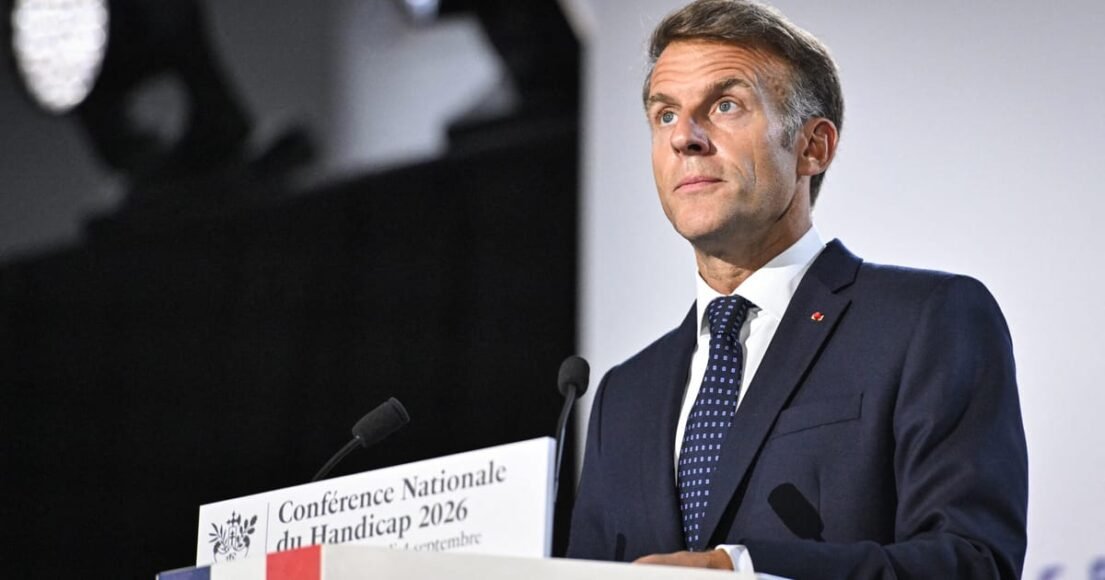
France downplays SpaceX, Blue Origin snub of "worst Macron-organized" summit
“There are American companies participating, and there will be announcements. We do not see a trend of the U.S. turning its back on Europe at this space summit,” stated another Elysée official. Amazon’s satellite business, Amazon Leo, will have o

Aarschot Sushi Restaurant Raises Funds for Nepal Flood Victims
Aarschot (Eurotoday Newspaper) – Sushi Pleintje in Aarschot has launched a fundraiser to support victims of the deadly August 2026 floods in Nepal, hoping to sell at least 100 benefit boxes as local businesses across Europe and beyond mobilize food-based charity drives in response to one of the region’s worst recent disasters.
What is the Sushi Pleintje fundraiser?
In the Flemish municipality of
Leave a Reply