



Brussels (Eurotoday) – The EU Commission stated U.S. maker of break-resisting glass Corning had offered to waive all exclusive deals with mobile phone manufacturers to address apprehensions over possible anticompetitive behaviour.
The European Commission invites comments on pledges offered by Corning to resolve competition concerns over its alleged exclusive dealing concerning the supply of Alkali-aluminosilicate glass (‘Alkali-AS Glass’), a particular type of glass mainly utilised as cover glass in handheld electronic devices.
Corning, located in the US, is a multinational producer of glass for many industrial and consumer applications. It delivers alkali-AS glass, a particularly break-resistant glass mostly used as a cover for displays of portable electronic gadgets such as mobile phones, tablets, or smartwatches.
What competition concerns did the EU raise about corning?
Earlier on 6 November 2024, the EU Commission extended a formal investigation over concerns that Corning may have deformed competition in the market for Alkali-AS Glass by concluding anticompetitive exclusive supply contracts with mobile phone manufacturers (Original Equipment Manufacturers or ‘OEMs’) and with businesses that process raw glass (‘finishers’).
How might Corning’s actions reduce customer choice and innovation?
The EU Commission preliminarily figured that Corning is prevalent in the worldwide market for alkali-AS glass. According to the Commission’s preliminary examination, Corning has abused its dominant role in breach of the Treaty on the Functioning of the European Union (‘TFEU’) by excluding rival Alkali-AS Glass producers from big segments of the market, thereby decreasing customer choice, increasing costs, and stifling innovation to the disadvantage of consumers worldwide.
What steps has Corning taken to address EU concerns?
To settle the Commission’s competition situations, Corning has offered the commitments. The commitments proposed by Corning are applicable worldwide and would remain in force for a period of nine years. Their undertaking will be observed by a monitoring trustee who will note to the Commission for the entire period. Hene, the EU Commission stated that it invites all interested parties to raise their opinions within six weeks of the publication of a summary of the proposed pledges in the EU’s Official Journal.
Comments
4 responses to “EU Commission Seeks Input on Corning’s Commitments”
-
Oh great, Corning’s finally decided to play nice after hogging all the glass like a kid with the last piece of chocolate! 🙄 Can’t wait to see how this “newfound generosity” shakes up the market—bet it’ll be as thrilling as watching paint dry! 🍫✨
-
Corning waiving exclusive deals? That’s like a cat deciding to share its tuna—good luck with that! 🐱💼 Just hope the EU doesn’t end up as the “monitoring trustee” sitting with a glass of wine while they wait for the “commitments” to actually mean something. 🍷😏
-
Looks like Corning’s just discovered the EU isn’t a fan of monopoly games—who knew? 🤔 But hey, at least we’re all getting a “free” show of corporate theatrics for the next nine years! 🥳
-
Oh, splendid! Just what we needed—an American glassmaker’s promises to save the day! Because nothing screams “revolutionary” like a nine-year monitoring plan for a product that’s already tough as nails. 🤦♂️🥳

Last News

Guerre au Soudan : al-Burhane, armes chimiques, islam politique et accusations contre les Émirats arabes unis
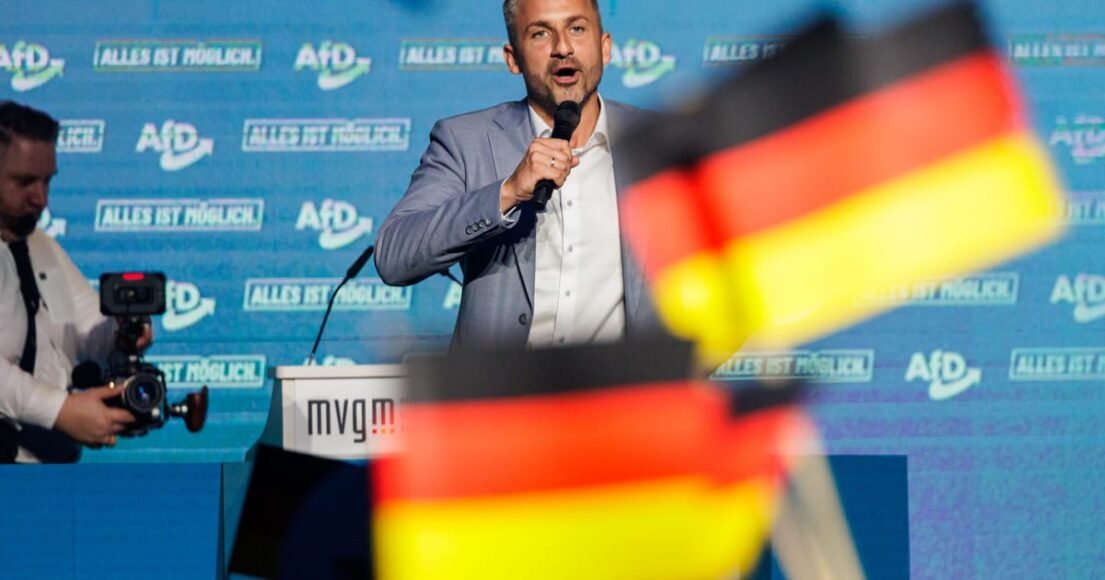
Germany’s Far-Right AfD Poised for Biggest Victory
The fact that 40% of voters backed the AfD, despite its regional branch being identified as a right-wing extremist group by the state intelligence agency and reports linking lead candidate Siegmund’s associates to an organization inspire
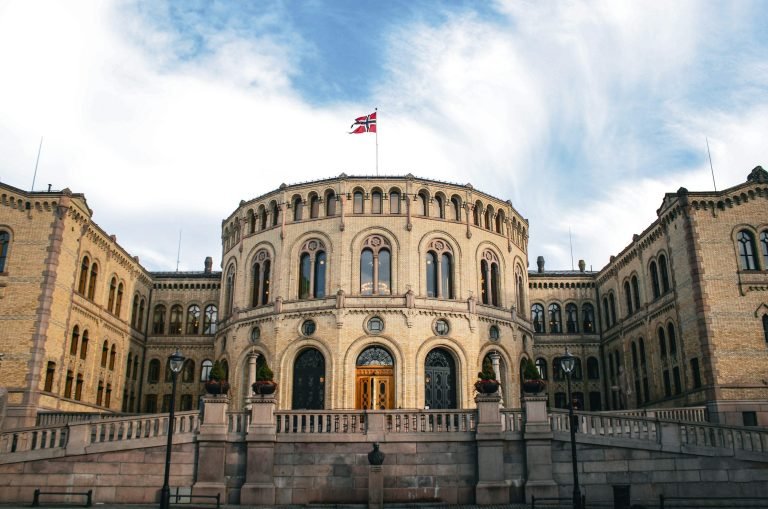
Norway Wealth Fund to Reduce US Treasury Holdings by $80bn, Oslo
Oslo, Norway, 4 September (Brussels Morning Newspaper) – Norway’s vast sovereign wealth fund has proposed sharply reducing its exposure to US government debt, a portfolio shift that could result in nearly $80 billion (£60 billion) being removed from US Treasury holdings. The Norway wealth fund, managed by Norges Bank Investment Management (NBIM), is seeking broader changes to its bond benchmark
Confidential "study" used to dictate actions of the Council of Europe’s decision-making body

German Startup Achieves Milestone with First Successful Orbital Launch in Europe
We made history. On just our second flight, we became the first commercial space company from Europe to deliver satellites into orbit. Mission ‘Onward and Upward’ successfully lifted off and deployed payloads into orbit. A new chapter for European spaceflight. More:… pic.twitter.com/AWvqG2l8Mn
— Isar Aerospace (@isaraerospace) September 5, 2026
Germany’s Ministry for Research, Techno

Russian Attack Damages WHO Medical Supplies Warehouse in Kyiv Region, Ukraine
Kyiv Region, Ukraine, 4 September (Brussels Morning Newspaper) – A WHO warehouse attack in the Kyiv region has damaged one of the World Health Organization’s main facilities storing humanitarian medical supplies in Ukraine, with officials assessing possible losses after an overnight Russian air attack. No WHO personnel were reported injured.
WHO warehouse attack damages humanitarian supplies fac

Spectrum Achieves Orbit
The Spectrum rocket launched from Isar Aerospace
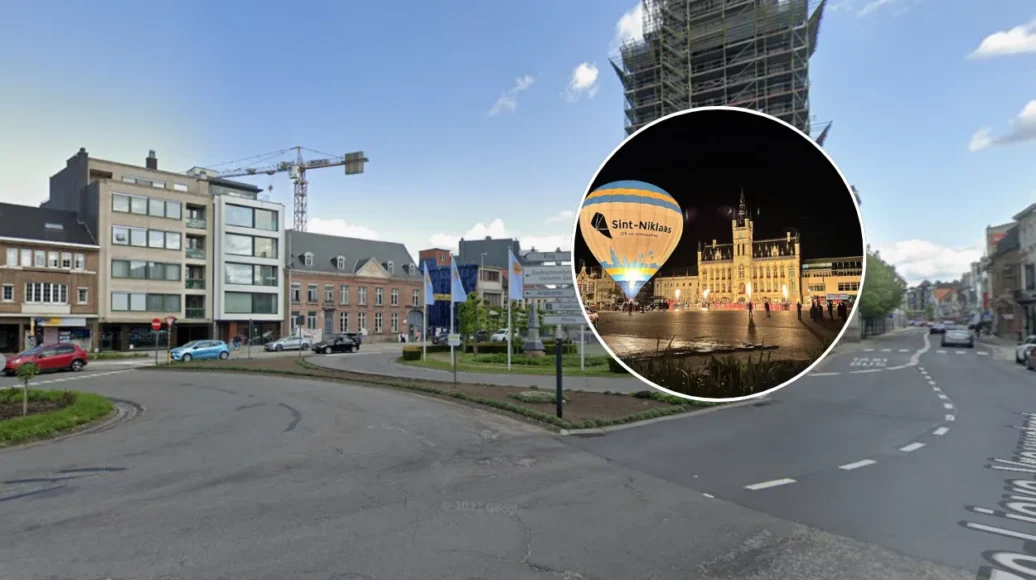
Strong Winds Halt Saturday Morning Balloons at Sint-Niklaas Peace Festival
Sint‑Niklaas (Eurotoday Newspaper) – No hot‑air balloons rose above the Grote Markt in Sint‑Niklaas on Saturday morning as excessive wind forced organisers to cancel the traditional launch window of the city’s Vredefeesten (Peace Festival), one of Europe’s oldest and largest balloon meetings. Although the morning period had been ruled out because of safety issues, festival organizers noted that

The First Soviet Hybrid Combines a ZAZ Combustion Engine and a Tram Electric Motor
UN Supports Initiative to Accurately Represent Africa on Maps Amid US Opposition
“A fair map does not change the geography of the world,” said Robert Dussey, Togo’s foreign minister and lead negotiator for the African group, ahead of the U.N. vote.
The non-binding resolution
Leave a Reply