


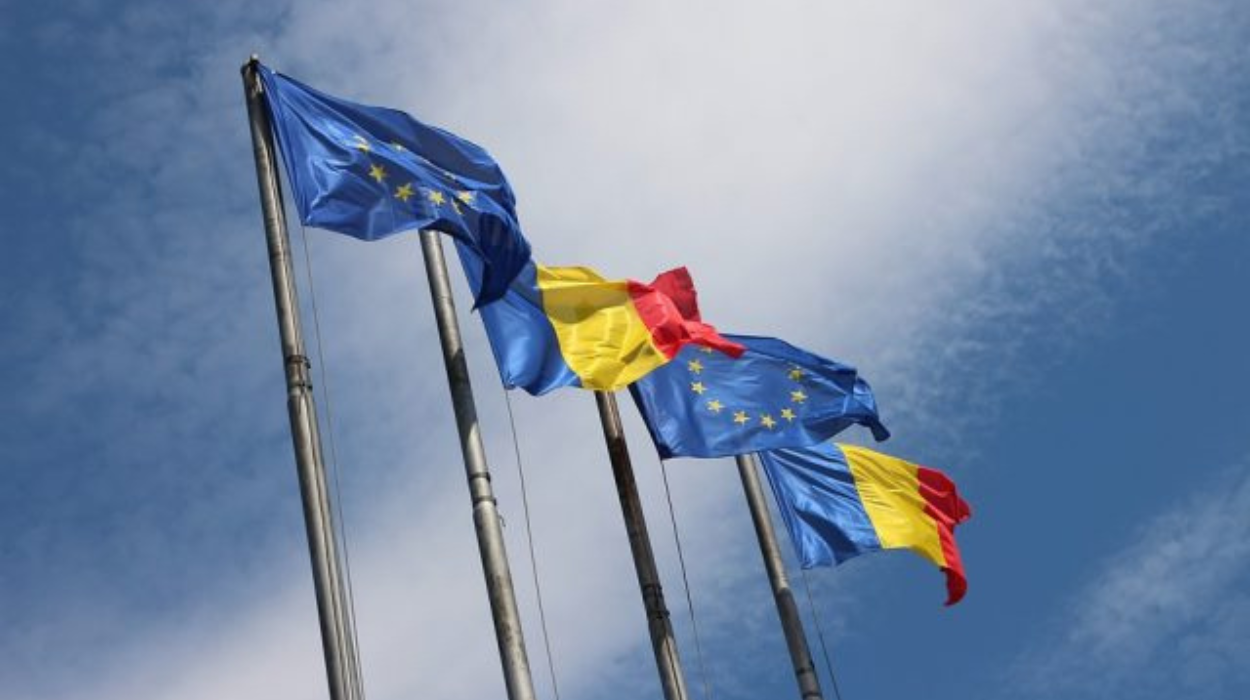
Brussels (Eurotoday) – EU Commission approved a €578 million Romanian scheme to reduce electricity levies for energy-intensive firms.
The European Commission has authorised a €578 million Romanian scheme to lower an electricity levy rate for energy-intensive firms. The levy is planned to boost electricity from renewable energy sources. The scheme strives to mitigate the risk that, due to this levy, energy-intensive companies may relocate their moves to locations outside the EU with less driving climate approaches.
What is the role of green certificates in this scheme?
According to the EU Commission, in 2011 Romania raised green certificates for boosting electricity from renewable sources, under which qualified producers of electricity from renewable energy sources welcome green certificates for each megawatt hour made and supplied to the grid. Electricity suppliers are obliged to buy a mandatory quota of green certificates. The expenses of the green certificates are ultimately handed on to consumers through a levy.
The scheme is desired to lower the levy rate for energy-intensive firms, thus mitigating the risk that the businesses relocate their activities to areas outside the EU with less ambitious climate procedures.
Why did the eu commission approve this €578 million aid?
According to the Commission, it evaluated the scheme under EU State aid regulations, in particular of the Treaty on the Functioning of the European Union (‘TFEU’), which allows Member States to fund the development of certain economic actions subject to certain conditions, as well as under the CEEAG, which permit Member States to grant aid in the form of declines from electricity levies for energy-intensive users.
As a result, the Commission figured that the scheme promotes the development of certain economic activities depending heavily on electricity and is particularly exposed to international competition. The action is necessary and appropriate to assist in fulfilling the European Green Deal objectives.
Moreover, the measure is proportional, as (i) the individual aid amounts do not surpass the maximum aid amount permitted under the CEEAG and (ii) it is determined to sectors listed in the CEEAG. The positive outcomes of the scheme outweigh any possible negative impacts on competition and trade in the EU. On these grounds, the EU Commission endorsed the Romanian scheme under EU State aid rules.
Comments
6 responses to “EU Commission Approves €578 Million Aid Package for Romania”
-
Ah, nothing says “we care about our energy-intensive companies” quite like throwing €578 million at them while pretending to save the planet—because who wouldn’t want to do their part for the environment over a cheeky glass of wine in Bucharest?
-
Ah, splendid! Just when you thought Romania was on the verge of becoming a model of fiscal responsibility, the EU swoops in with a €578 million bail-out, proving once again that if at first you don’t succeed, just throw money at it – it’s like a Euro version of a fairy tale, really, except the magic wand is an energy levy!
-
Ah, yet another €578 million shower of cash from Brussels to Romania—because who wouldn’t want to reduce those pesky electricity bills while keeping energy-intensive companies from playing a game of musical chairs with the EU’s climate policies, eh?
-
Ah, just what Romania needed—€578 million to help energy-intensive firms dodge their green guilt while the rest of us continue to foot the bill for this electric charade; I suppose the EU believes that if we throw enough money at it, renewable energy will magically start paying for itself—cheers to that!
-
Ah, the EU Commission has decided to sprinkle a generous €578 million fairy dust over Romania to help energy-intensive firms dodge the electricity levy—because who needs a competitive edge when you can just throw money at the problem and keep the lights on, right?
-
Well, if €578 million doesn’t scream “let’s help our buddies keep the lights on” while pretending to love the planet, I don’t know what does! Bravo, EU, for putting the ‘fun’ in funding our way to a greener tomorrow! 🌍💸

Last News

UK Assisted Dying Bill Returns: Labour Advocate Seeks Inspiration from Australia
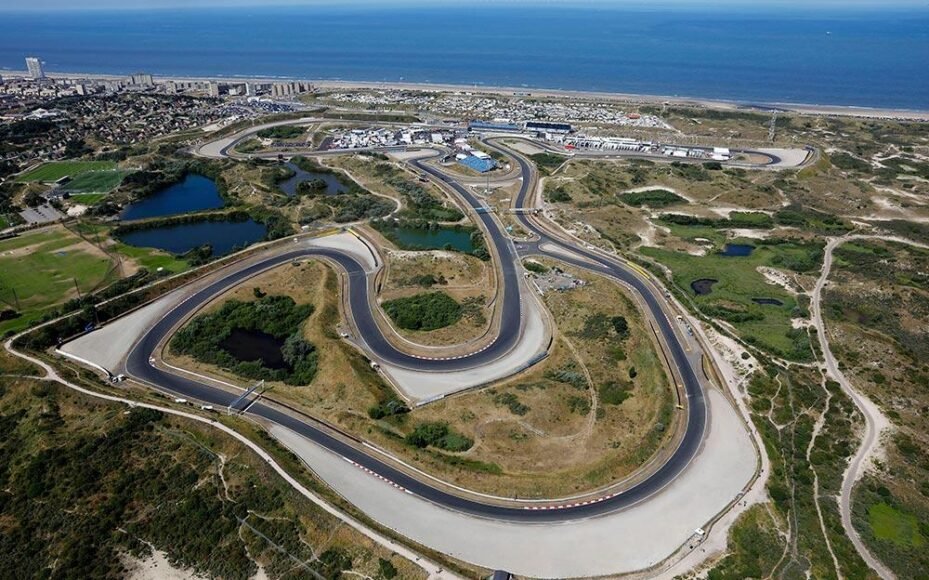
Lando Norris Defeats Kimi Antonelli to Win 2026 Dutch GP – Zandvoort
Zandvoort, Netherlands, 23 August (Eurotoday Newspaper) – Lando Norris won the Dutch GP 2026 for McLaren on Sunday, finishing ahead of Mercedes pair Kimi Antonelli and George Russell after Max Verstappen’s home race ended on the opening lap. Norris started from pole, regained the lead after losing it following the restart and went on to take his second consecutive Formula One victory.
Norris cro

EU Scholars Petition for Alternative to Pre-Trial Detention for 95-Year-Old Chairman Lee
This initiative followed a press conference by Human Rights Without Frontiers (HRWF) on August 7 at the Seoul Foreign Correspondents’ Club. HRWF Associate Director Hans Noot read a petition addressed
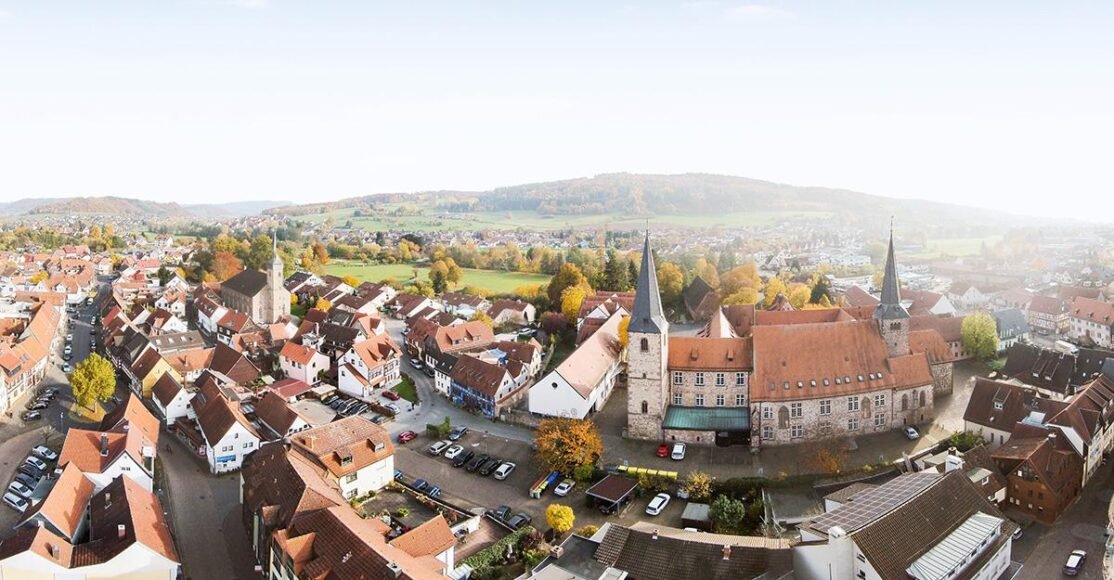
Police Investigate Wedding Convoy on A66 Near Schlüchtern
Schlüchtern, Germany, 23 August (Eurotoday Newspaper) – Police in Hesse are investigating an A66 wedding convoy after motorists reported that several vehicles travelled slowly across both lanes of the motorway near Schlüchtern, temporarily affecting traffic heading towards Fulda.
The incident happened at around 2.45pm on Thursday, 20 August. Several motorists contacted police about the processio

Man Injured in Drug-Related Brussels Shooting Following Police Station Attack
Dilliès mentioned that his government is taking steps to combat the violence, such as appointing a Brussels commissioner for drugs starting in September, and limiting the use of e-scooters, which

The Chain Hasn’t Disappeared: It’s Just Changed Its Name – Dialogue on Servitude 2.0
Christine Mirre & Yodith Gideon on the occasion of the International Day for the Remembrance of the Slave Trade and its Abolition (August 23)
Introduction
Observed each year on August 23, the International Day for the Remembrance of the Transatlantic Slave Trade and its Abolition commemorates the slave uprisi
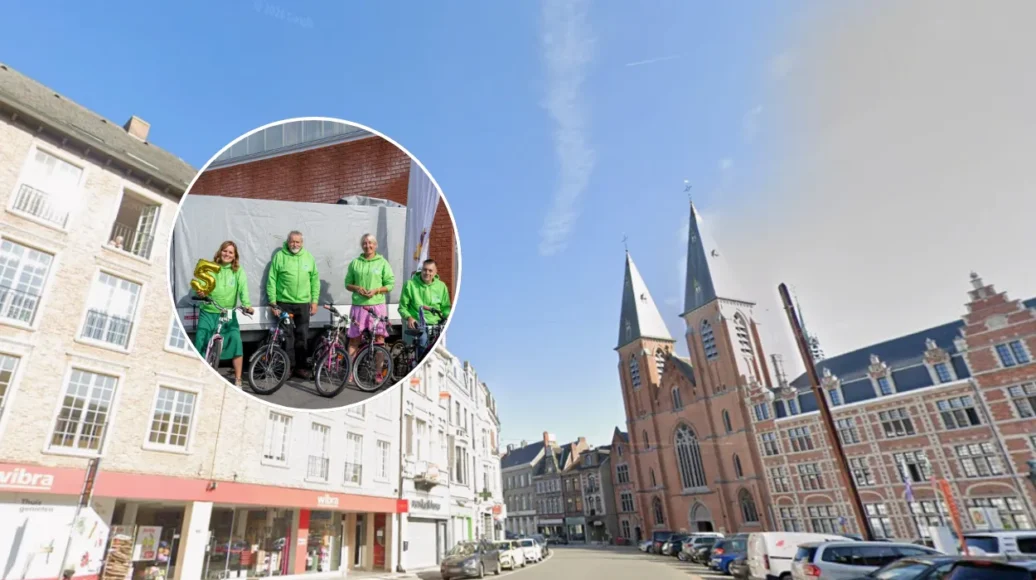
Five Years of Success: Dendermonde Bike Library Celebrates Community Impact
Dendermonde (Brussels Morning Newspaper) – The Bike Library in Dendermonde, Belgium, has completed five years of providing children with access to affordable bicycles, prompting volunteers to celebrate the milestone on Saturday morning.
This event turned out to be an occasion when the volunteers expressed their gratitude to the people who have been helping the initiative to succeed since its fou
Zelenskyy: Elections Would Divide Ukraine
Dogmatic Debate with Donatism (1)
The concept of the Church as a divine institution for the moral perfection of people, which originated with St. Cyprian, was firmly adopted and preserved in the Church’s consciousness. This idea did not create a history of dogma per se, but rather influenced Church practice and discipline. Under St. Cyprian, the Church was seen as a h

Two Sint-Truiden Men Arrested in Auto Theft Probe
Sint-Truiden (Brussels Morning Newspaper) – Two men from Sint-Truiden have been arrested as part of an investigation into the alleged theft of several vehicles, tools and multimedia equipment, Limburg prosecutors confirmed on Saturday.
Two suspects, ages 42 and 50 years old, have been arrested as a result of an investigation carried out by the police at a residence on Luikersteenweg in Sint-Trui
Leave a Reply