


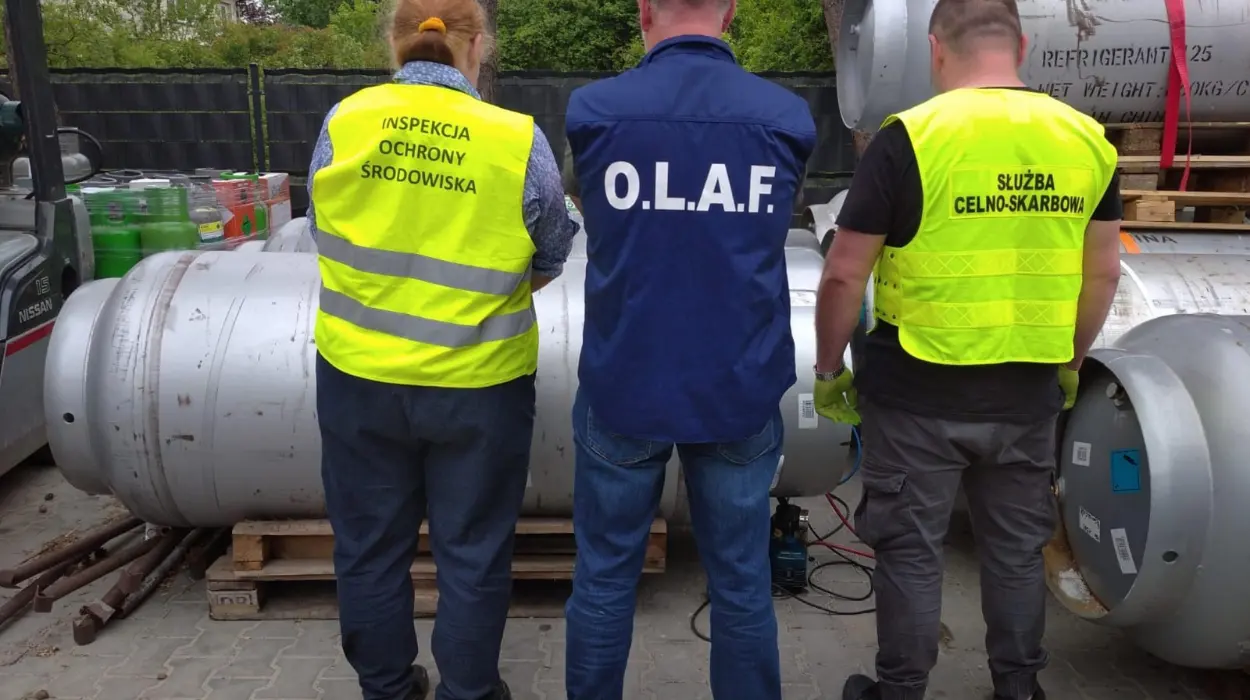
Brussels – The European Anti-Fraud Office conducted Joint Customs Operation KHIONE aimed at disrupting the illegal trade in refrigerant gases smuggled into the EU.
As reported by the European Anti-Fraud Office (OLAF), the operation, which ran from May to October 2024, resulted in the successful interception of the equivalent of more than 400,000 tons of CO2 and prevented a total market loss of over 4.5 million euros.
How effective was Joint Customs Operation KHIONE in tackling fraud?
According to OLAF, it coordinated Joint Customs Operation KHIONE, named after the Greek goddess of snow, along with customs officers from 16 Member States, as well as Türkiye and Ukraine. The operation spanned several months and brought together customs authorities from Poland, Latvia, Germany, Slovakia, Hungary, Greece, Estonia, Lithuania, Spain, Italy, Belgium, Netherlands, France, Bulgaria, Croatia, Romania, Türkiye, and Ukraine.
It focused on identifying and monitoring shipments of refrigerant gas suspected to be smuggled into the EU. The operation also involved inspections of warehouses and distribution centres where illegal refrigerant gases were commonly stored for resale on the black market.
Ville Itälä, Director-General of OLAF, commented, “Joint Customs Operations are a key part of OLAF’s mission to protect both EU financial interests and the environment. Illegal trade in refrigerant gases not only undermines the EU’s green goals but also puts public safety at risk. Through this operation, OLAF and national customs services have shown that we can effectively disrupt this dangerous trade.”
What role did refrigerant gases play in contributing to climate change?
Globally, refrigerant gases are powerful greenhouse gases that significantly contribute to climate change. Under the EU’s F-Gas (fluorinated greenhouse gases) Regulation, strict quotas are placed on the import and use of hydrofluorocarbons (HFCs) to gradually phase out their usage in favor of more environmentally friendly alternatives. The operation underscores the importance of cooperation between European institutions and national authorities in tackling environmental fraud, a challenge that often involves complex cross-border criminal networks.
Comments
4 responses to “EU Anti-Fraud Office Cracks Down on Illegal Refrigerant Gas Trade”
-
Ah, the EU Anti-Fraud Office has decided to pop the champagne over its latest triumph: tackling the “unbelievably thrilling” world of illegal refrigerant gas trade. Who knew that chasing after dodgy gases could be so riveting? Perhaps next, they’ll tackle the scandalous underground trade of croissants that are just a tad too flaky.
-
Ah, the EU Anti-Fraud Office is finally getting off their sun-loungers to tackle the nefarious world of illegal refrigerant gas trade—because who knew that dodgy gas suppliers were the real villains in our midst? It seems they’ve taken a break from their usual pastime of debating the merits of artisanal cheese and are now trading in covert operations, proving that the only thing colder than this illicit gas is their sense of humor. Bravo! Let’s raise a glass of overpriced wine to the brave souls fighting to keep our fridges squeaky clean and above board!
-
Ah, the EU Anti-Fraud Office has decided to play the role of the culinary police, taking a stand against the dodgy refrigerant gas trade. Because, you know, nothing quite screams “freedom” like a bureaucratic crackdown on something that sounds suspiciously like a subplot in a bad noir film. One can only hope they bring in croissants for the long meetings ahead—after all, even the most serious of operations could use a little pastry perk-up, innit?
-
Well, it’s about time the EU Anti-Fraud Office decided to chase down the shady world of illegal refrigerant gas trading—because who doesn’t love a good game of cat and mouse with criminals over something as riveting as air conditioning? One can only imagine the excitement at their next board meeting: “Let’s tackle the real issues, like how to keep our ice cream cold without involving the black market!” Ah, bureaucratic heroism at its finest, or as the French might say, “Bravo, mes amis!”

Last News
BP Nears Deal to Sell Solar Business to Kuwait-Backed Consortium
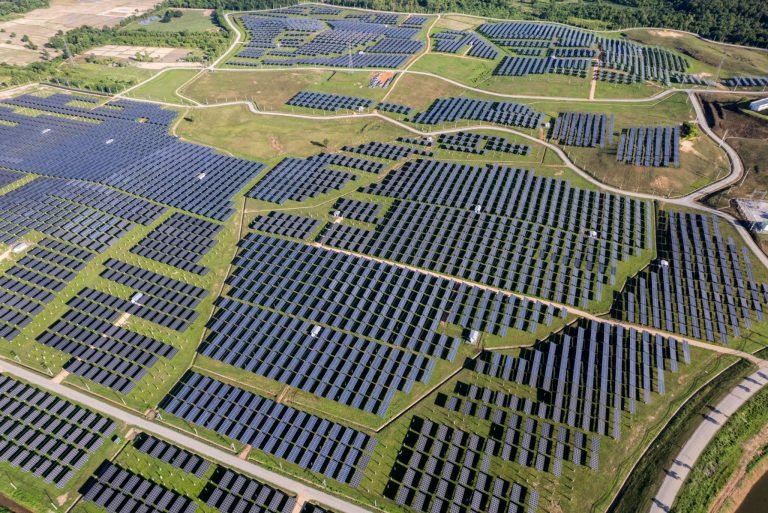
London, 2026 — BP solar business sale discussions are nearing completion after the Financial Times reported that the energy company is close to selling its solar business to a Kuwait-backed consortium. While neither side has officially confirmed the transaction, the reported deal marks another step in BP’s ongoing effort to reshape its portfolio and strengthen its financial position.
Main Develo
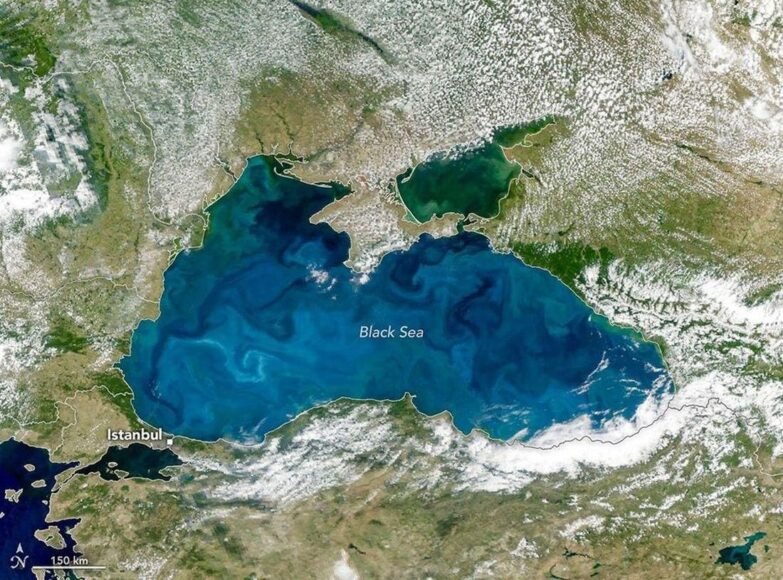
NASA Unveils Why the Black Sea Appears Turquoise from Space
On June 22, PACE’s Ocean Color Instrument (OCI) recorded this seasonal event, revealing milky-blue and turquoise areas on the Black Sea’s surface. According to NASA Earth Observatory,
ICC Member States Dismiss Chief Prosecutor Over Sexual Misconduct Allegations
Verizon Secures Over $1 Billion Google Deal to Enhance AI Infrastructure
New York, July 24 Eurotoday Newspaper — Telecom infrastructure news gained fresh attention after Verizon announced a contract worth more than $1 billion with Google to provide dark fiber connectivity for the technology company’s expanding artificial intelligence and cloud data center network. The agreement reflects increasing demand for high-capacity digital infrastructure as AI investment accel
Copenhagen Mandela Day Brings Diplomats and Activists Together for Human Rights
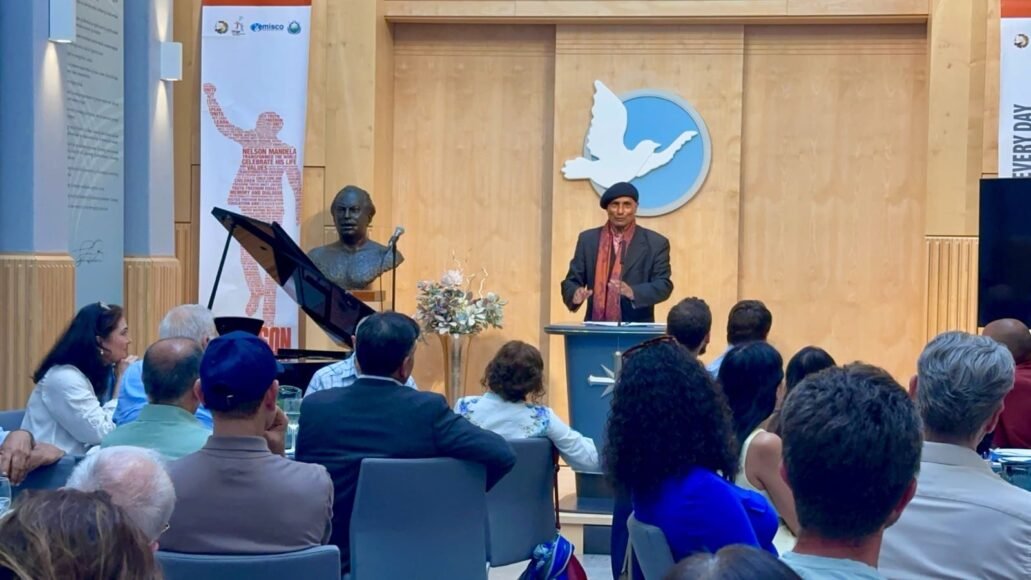
Approximately 50 participants, reflecting Mandela’s diverse legacy, attended. The pr
We’ve fallen in love with drones, but they’re not the only solution

Samsung, SK Hynix US Chip Deals Driven by Advanced Memory Technology
Seoul, July 24 Eurotoday Newspaper — Advanced memory technology is expected to play a key role as Samsung Electronics and SK Hynix prepare to announce major semiconductor agreements with leading US technology companies, according to the South Korean government. The planned deals come as demand for AI processors, cloud computing infrastructure and advanced data centres continues to increase world
Brussels Instructs TikTok to Make Child Safety the Default
Trump Administration Rejects UN Farm Declaration Due to Gender References
The word gender is mentioned once to explain references to women and equality throughout, aiming to promote equal opportunities for women farmers and their nutrition.
“The cross-cutting themes of gender, youth, and inclusion are considered
The EU Must Take Action on Harmful Ultra-Processed Foods
A new study published on 21 July has once again highlighted the threat posed to public health by ultra-processed foods. (UPFs). UPFs are commonly understood to be products that are created in an industrial environment and are derived from ingredients and additives that you would not usually use in home cooking. The research, published by Frontiers in Nutrition, found that in Brazilian adults age
Leave a Reply