


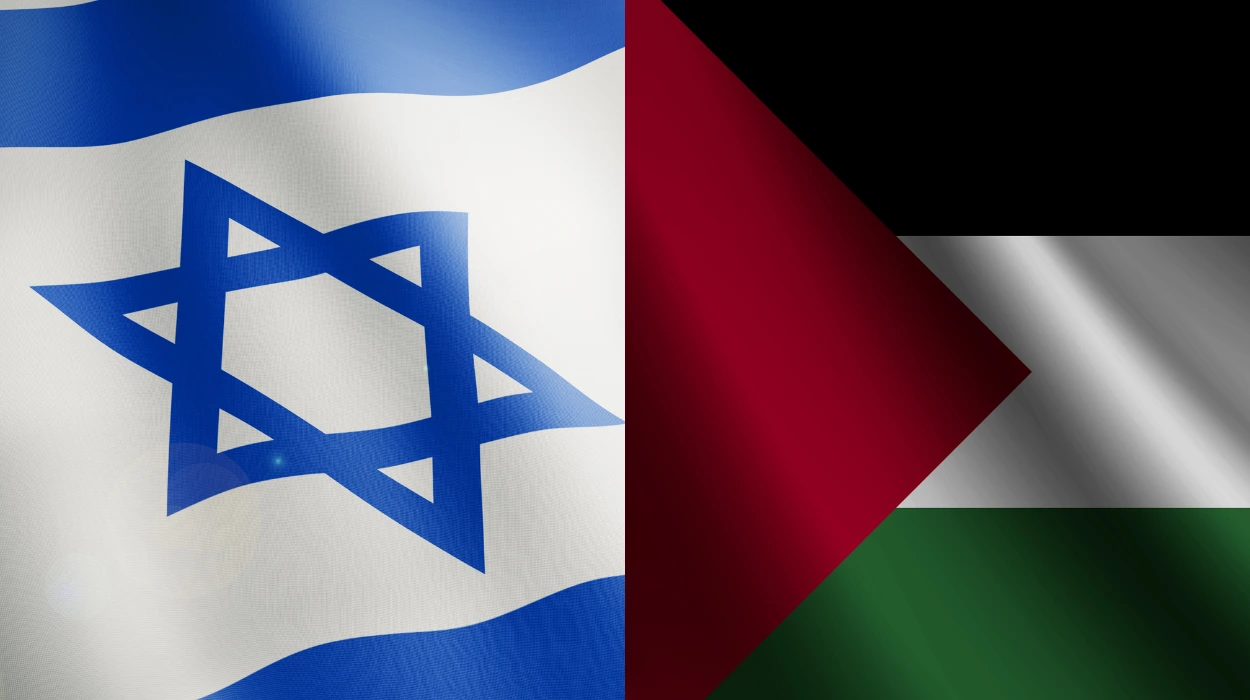
Israel Failed Mission
Let’s examine the U.S. policy briefing and reflect on today’s wars. Israel has repeated the mistake in Gaza that the George W. Bush administration made in Iraq and Afghanistan and failed to marry its military action to achievable political goals at the outset.
According to “Stuart Eizenstat,” there wasn’t a lesson learnt when the U.S. acted in Iraq and even today. This highlights the long army intervention with no fundamental objective, meaning the decision, timing, and acting were miscalculated as many factors played.
Intelligence failed, and the idea of strategizing against Hamas by the IDF was unrealistic. Firstly, the reason for the Jewish lobby plays a significant role in shaping Israeli leadership. Their prime minister, Netanyahu, and their military cabinet resolved their problem in one direction, which would destroy proxies and build a peaceful land for the Jews.
Eizenstat highlights the long army intervention with no fundamental objective, meaning the decision, timing, and actions were miscalculated as many factors influenced the situation. After one year, the Israeli army does not have a concrete plan to scrutinize and help the hostages.
We faced both propaganda coming from the Zionists and Hamas; this ideological sense mixed with the wrong military objectives led to Israel’s failure to condemn threats effectively. This creates a geopolitical split with more proxies involved in defending their people and ideology.
This is not about making social policy that stands grounded in today’s reality and acting pragmatically. This is just recreating the same scenario year after year. Why did the U.S. act unilaterally without understanding the context of the enemy and their land?
With more resistance, we need more funding and wars. The U.S. didn’t learn the military lesson and acted foolishly when dragging everyone along.
Nuclear Withdrawal Possibility
When understanding Turkey’s foreign policy and Syrian rebel groups, first, President Erdogan played a key role in the Muslim Brotherhood and supported the Palestinian cause. Still, his strategic interests are creating tension with Israeli territorial expansion at the Golan Heights.
Relations between the two countries, Jerusalem and its military actions in Gaza, take no clear resolution. As these extremists keep their presence in Syrian territory, they become global threats.
Netanyahu enumerated several instances in which the administration delivered on campaign promises favoring the Israeli leader, including U.S. “withdrawal from the nuclear deal” with Iran.
How can we interpret this possible outcome? Firstly, we can expect the Iranian regime to take this role seriously as the U.S. disrespects Iran’s sovereignty and legal norms. That would mean the war would split East Asia, causing an arms race involving China and Russia.
With more military leverage, Israel would ask the U.S. to act unilaterally on Iran and its allies. Again, this is dangerous and ultimately leads to failure to reach security. Tehran is prepared for an Israeli strike, but Iran will pursue diplomacy and ‘reason will prevail,’ according to “Iranian Foreign Minister Abbas Araghchi.”
The U.S.-Iran rivalry has not only shaped the geopolitical landscape of the Middle East but also had far-reaching consequences for global energy security and non-proliferation regimes. Each instance of their conflict demonstrates the interplay between regional disputes and international power structures.
Reflecting on this event, we can see that most of the failed negotiations and the possibility of being pressured to act on national and global levels cause strategic surprises that shape Near East policy with unexpected events and surprises.
Let’s consider the Arab-Israeli war of 1973; the strategic justification given for that action was that Israel must have a response even in the most extreme and unlikely scenarios.
However, it is widely believed that Israel does possess a nuclear arsenal of at least 80–100 warheads, according to the report Too Close for Comfort: Cases Near Nuclear Use and Options for Policy. This only showed a sense of distrust, not reaching any point for the best
Comments
2 responses to “Escalation Over Diplomacy: Conflict Spreads from Gaza to Golan Heights”
-
Isn’t it charming how history repeats itself like a bad Euro-pop song on loop? 🤦♂️ One would think after a few rounds of chaos, someone might consider picking up a diplomatic playbook instead of just throwing more fuel on the fire. 🥴
-
Fancy a little déjà vu? It’s like watching a bad soap opera where the plot keeps recycling, but the actors—oh, bless them—never quite learn their lines! 🎭 Just another day in geopolitics, eh? 🇪🇺

Last News

Noskova Brings Wimbledon Victory to Czech Republic
Written by Daniel Mercer, Sports Correspondent, The European Times
Although Wimbledon often highlights champions as solitary figures, Noskova’s win represents a triumph f
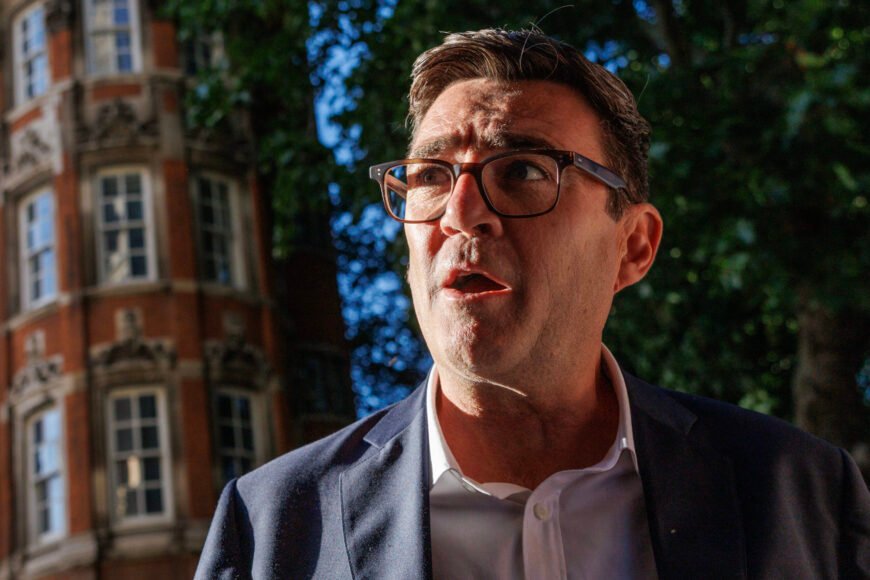
Peers told to attend House of Lords more often — or get fired
The implementation of this limited change took over 18 months, and Starmer did not secure agreement on additional reforms to reduce the House’s size, which were part of his Labour Party’s election-winning 2024 man

Business Press Releases Foster Trust and Enhance Google Visibility
London, July 13 Eurotoday Newspaper – Business press releases are becoming a key part of corporate communication strategies as companies seek stronger online visibility and greater public trust. Public relations professionals report that businesses publishing timely, factual announcements are more likely to attract media attention while supporting their long-term presence in Google Search and G

Brussels Considers Online Child Safety
Expert recommendations prioritize privacy, platform design, and young people’s wellbeing in Europe’s upcoming digital discussion
Today, the European Commission’s child-safety-online panel presents its recommendations to Ursula von der Leyen, steering the European debate from general concerns about young people’s screen time to specific policy decisions regarding social media, age assurance, and

Blair Advises Burnham: Popularity May Not Follow
With additional time in Paris for Bastille Day celebrations and a potential trip to the World Cup final in the US, Starmer is concluding his tenure on the global stage – perhaps his comfort zone.
In Westminster, prime minister-in-waiting Andy Burnham intensifies government preparation, promisin

Mylan Intends to Divest Up to $363 Million Stake in India’s Biocon
Bengaluru, July 13 Brussels Morning Newspaper – Mylan Biocon stake sale has moved into focus after a term sheet showed Mylan plans to sell shares worth up to $363 million in Indian biopharmaceutical company Biocon. The proposed transaction is expected to take place through a block deal, allowing institutional investors to purchase a significant portion of the company’s publicly traded shares.
M

A ‘Super Tuesday’ for an Expanded EU
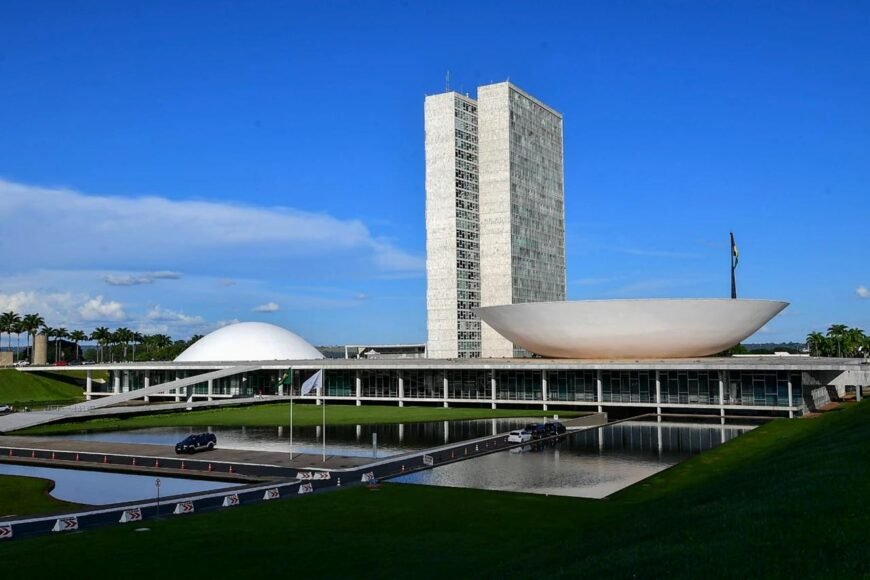
Brazil’s Economy Forecast Predicts Moderate Growth After October Presidential Election
São Paulo, July 13 Eurotoday Newspaper – Brazil economy forecast remains positive as economists expect the country’s economy to grow at a moderate pace following the October presidential election. Analysts believe stable domestic demand, improving investment conditions and easing inflation could support continued economic expansion, although fiscal policy and global market uncertainty remain ke

Sinner Establishes Wimbledon Benchmark
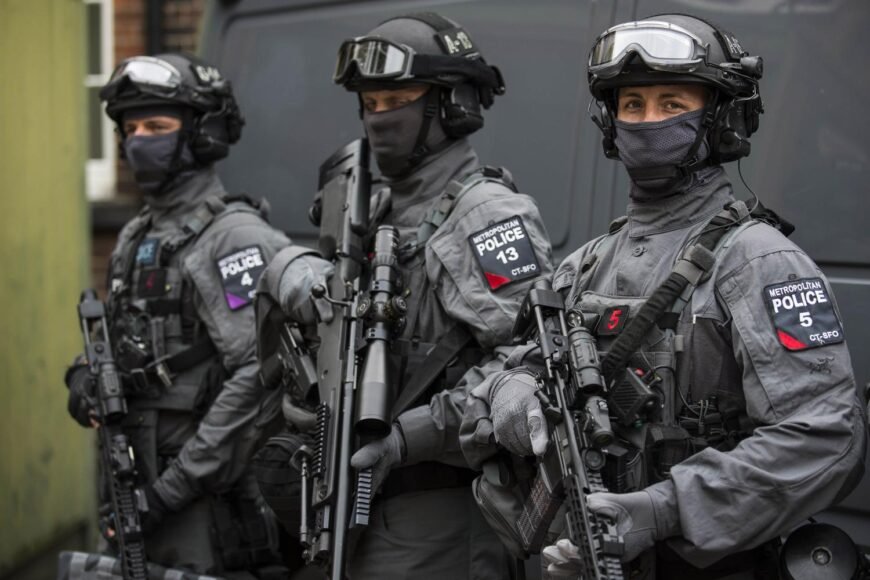
UK Police Arrest 12 in Far-Right Terrorism Investigation
London, July 13 Eurotoday Newspaper – UK police arrests dominated headlines after counterterrorism officers detained 12 people during an investigation into suspected extreme right-wing terrorism. Authorities said the operation followed intelligence linked to an alleged threat against an Islamic event. Officers carried out coordinated searches across several locations while detectives continued g
Leave a Reply