



Brussels – Erasmus+ will invest €5 billion in 2025 for educational exchanges, inclusion, and cooperation, supporting Ukraine and promoting green, digital change.
Almost €5 billion will be spent by the EU’s Erasmus+ programme on learning exchanges abroad and cooperation partnerships in education, training, youth, and sport in 2025. Representing a 6.5% growth in funding compared to last year, the EU Commission published the Erasmus+ 2025 call for proposals. Erasmus+ is the EU’s programme to support education, training, youth, and sport in Europe.
What impact will the €5 billion investment have on inclusion?
With around 16 million participants since its takeoff in 1987, Erasmus+ continues to increase in demand. It also continues to grow in terms of access and inclusion for individuals with fewer options. This emphasis aligns with the recently adopted Council recommendation on ‘Europe on the Move’, which establishes ambitious targets for improving mobility and participation, especially for underrepresented groups.
How does Erasmus+ support green and digital transformation?
Additionally, Erasmus+ continues helping a wide range of cooperation models. Erasmus+ will also persist in playing a key role in promoting the Blueprint for a European degree, keeping the automatic recognition of learning qualifications across borders, and enhancing collaboration between higher education institutions. Through its backing for learning exchanges and cooperation, Erasmus+ is paving the way for a more integrated European education system.
Will Erasmus+ play a larger role in supporting Ukraine’s education?
The Erasmus+ programme will remain determined to support Ukraine’s education system, as well as learners and educators in Ukraine or having escaped to the EU. In 2023, Erasmus+ also supported the printing of 500,000 Ukrainian-language schoolbooks. This year, a further 1 million art and computer science textbooks have been provided to schools in Ukraine. A third batch is scheduled for the 2025-2026 school year.
In line with the priority areas delineated in the Erasmus+ programme for 2021-2027, the call will continue to keep a wide range of projects concentrating on promoting social inclusion, green and digital changes, and young people’s participation in democratic life. The total budget unrestricted for Erasmus+ from 2021 to 2027 was selected to be €26.2 billion, complemented with some €2.2 billion from the EU’s external mechanisms.
Comments
3 responses to “Erasmus+ to Invest €5 Billion in Education and Inclusion”
-
Ah, the Erasmus+ program is really rolling in the dough, isn’t it? A cool €5 billion to sprinkle on education and inclusion—because clearly, throwing money at the problem is the European way to solve everything, like a fine Bordeaux poured over a soggy baguette. Let’s just hope this investment doesn’t turn out to be as useful as a chocolate teapot!
-
Ah, Erasmus+ has decided to sprinkle a generous €5 billion on education and inclusion—because who needs more croissants when you can have an endless supply of learning opportunities? It’s like putting a designer scarf on a potato; it might look nice, but we all know the root of the problem still lies beneath!
-
Ah, Erasmus+ is really putting its money where its mouth is—€5 billion for education and inclusion! I suppose that’s just their way of saying, “What’s a few billion euros among friends?” Nothing screams ‘inclusivity’ quite like a hefty budget, right? Maybe they’ll even throw in a complimentary croissant for every student while they’re at it!

Last News
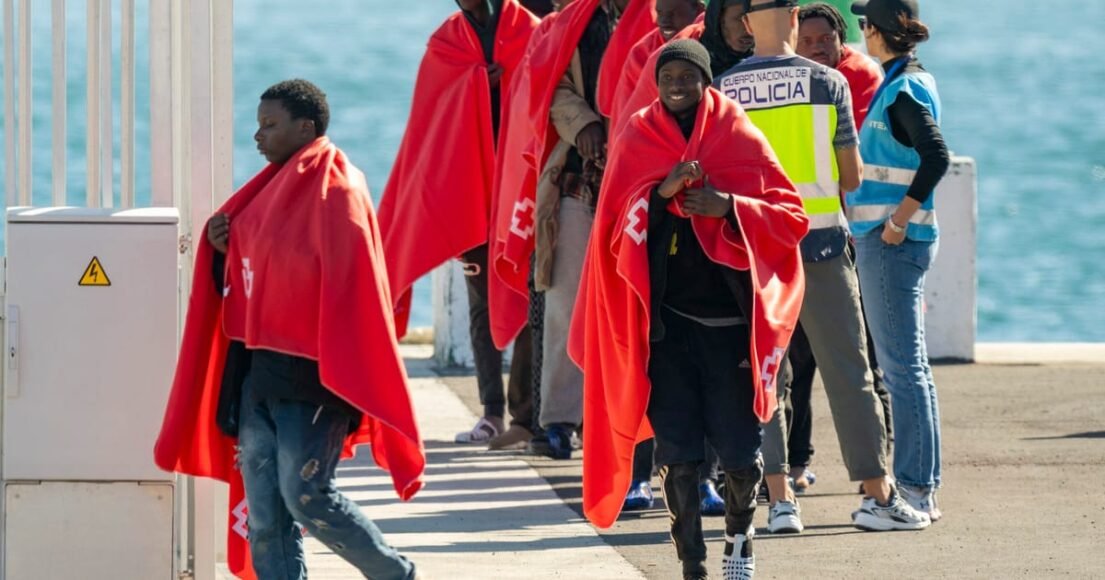
EU Illegal Crossings Decrease by 20% in First Half of 2025, Reports Frontex
This route is also perilous. The International Organization for Migration estimates about 760 people died in the Mediterranean in the first half of this year. In 2024, 2,300 lives were lost in the same area.
Frontex has around 3,000 agents, plan
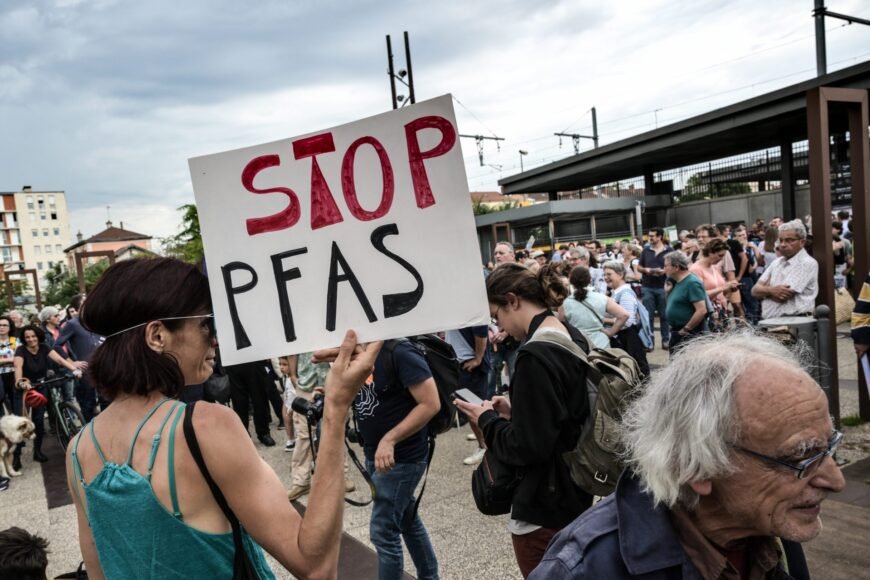
Environment Ministers Tested for “Forever Chemicals”
PFAS, or per- and polyfluoroalkyl substances, are a group of synthetic chemicals that do not break down easily in the environment.
Research indicates that some PFAS ca
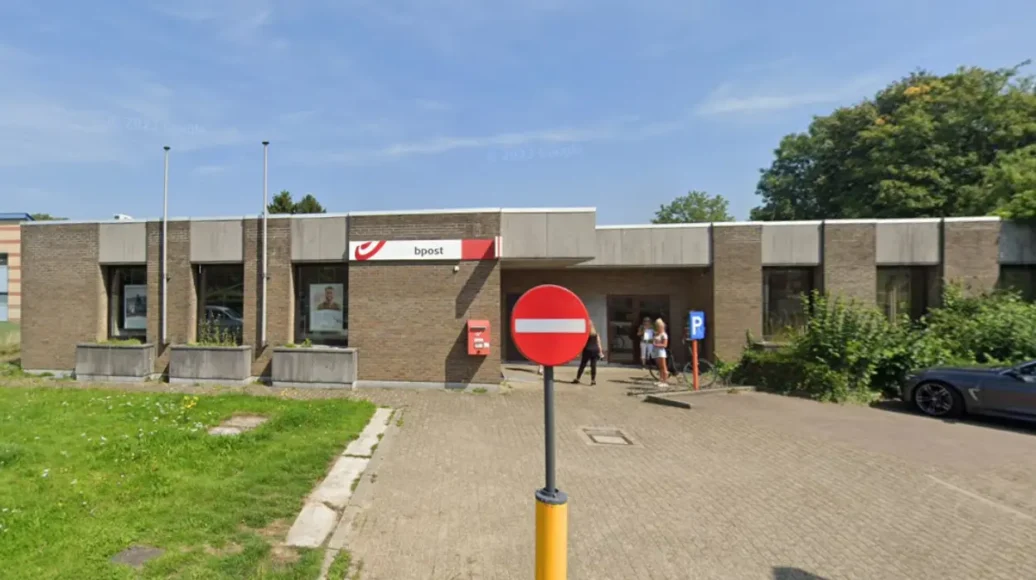
Diepenbeek: 21 Flats by Dethier to Replace Old Post Office
Diepenbeek (Eurotoday) – The old post office on Kerkstraat in Diepenbeek will be replaced by a green housing project with 21 apartments. Dethier plans 2 L-shaped buildings and a private garden.
As VRT News reported, the old post office on Kerkstraat in Diepenbeek, a municipality in the province of Limburg, Belgium, is being demolished. A new housing project will be built there. Officials mention

EU Considers Halting Israel Relations Amid Gaza Crisis
Alternative options include exclud
EP adopted resolution on China’s raw material export restrictions at Lexmann’s request
As a member of the EP Committee on International Trade (INTA),

Vought SB2U Vindicator: A Naval Aviation Legacy
Introduction
If you have an interest in aviation or you enjoy studying old planes, chances are the Vought SB2U Vindicator will catch your fancy. One might wonder why we concentrate on this plane and not on more famous types of WWII aircraft, such as the 4U Corsair. That is why the Vindicator preceded the Corsair and was used in World War II, but is not very popular. It acted as a basis for subs

Expert Warns: Trump Trade Dispute Poses Risk to EU’s Future

EU allies express ‘concern’ over Israel’s plan to relocate displaced Palestinians to restricted area
Although Germany and Austria are among Israel’s stro
Explosive Found in Antwerp, DOVO Responds, Confirms Bruyns
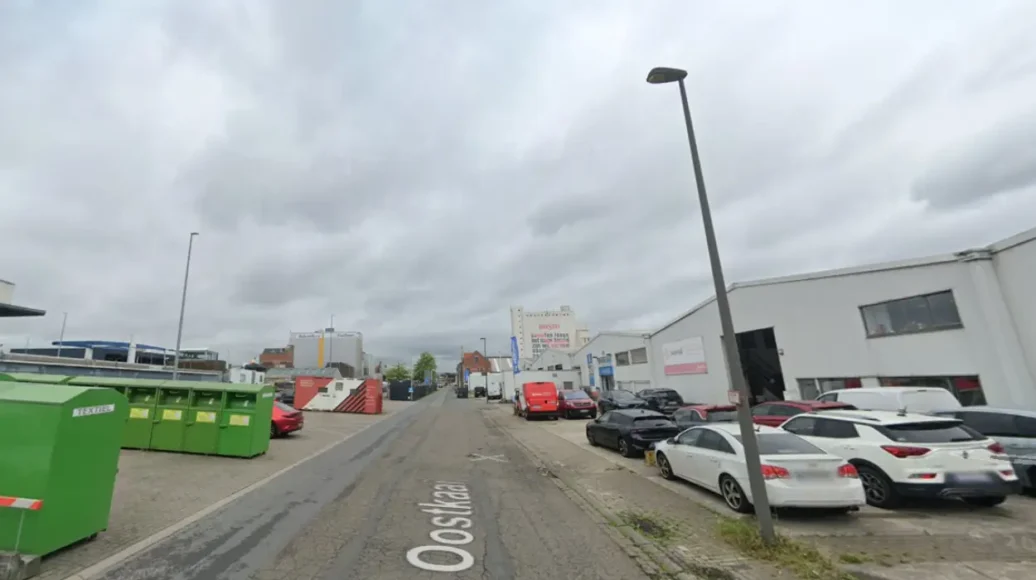
Antwerp (Eurotoday) – An explosive device was found on Thursday, July 10, 2025, in Merksem, Antwerp, near Oostkaai. DOVO safely exploded it in Ekeren. Police suspect links to drug crime. Spokesperson: Wouter Bruyns.
As VRT News reported, on Thursday morning, July 10, 2025, there was a serious safety alert in Merksem, a northern part of Antwerp. A suspicious package was found on the street near t
EU and USA Could Finalize Tariff Framework Agreement in Days
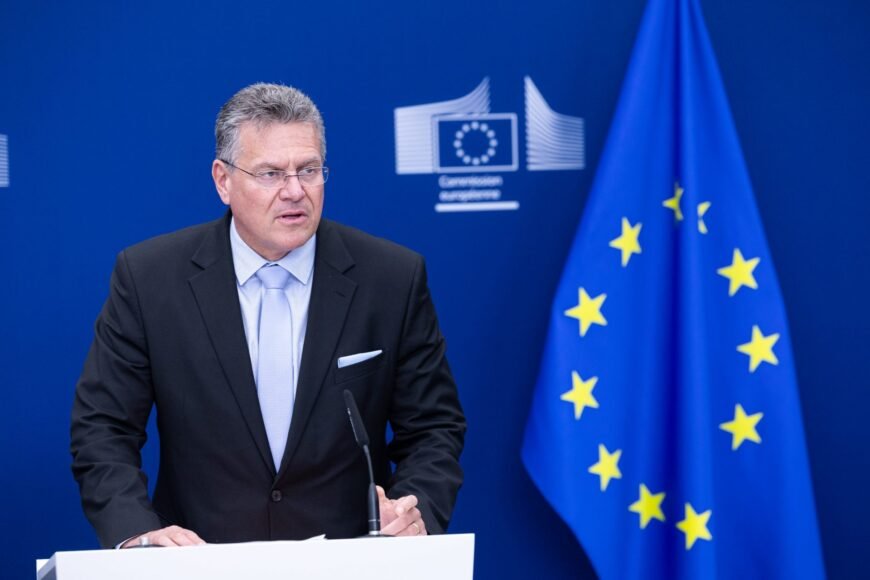
This announcement was made on Wednesday by EU Trade Commissioner Maros Sefcovic, who leads the EU Commission’s negotiations.
“We have made significant progress toward a framework declaration. I am optimistic that we will finalize our work shortly,
Leave a Reply