


“html
Brussels/Bratislava – On Tuesday, December 10, the independent European Institute for Gender Equality (EIGE) unveiled its latest Gender Equality Index, revealing that Slovakia continues to lag significantly behind the EU average in gender equality, according to TASR's Brussels correspondent.
The findings were announced during the fifth European Gender Equality Week, which features a series of discussions focused on women's empowerment at the European Parliament (EP).
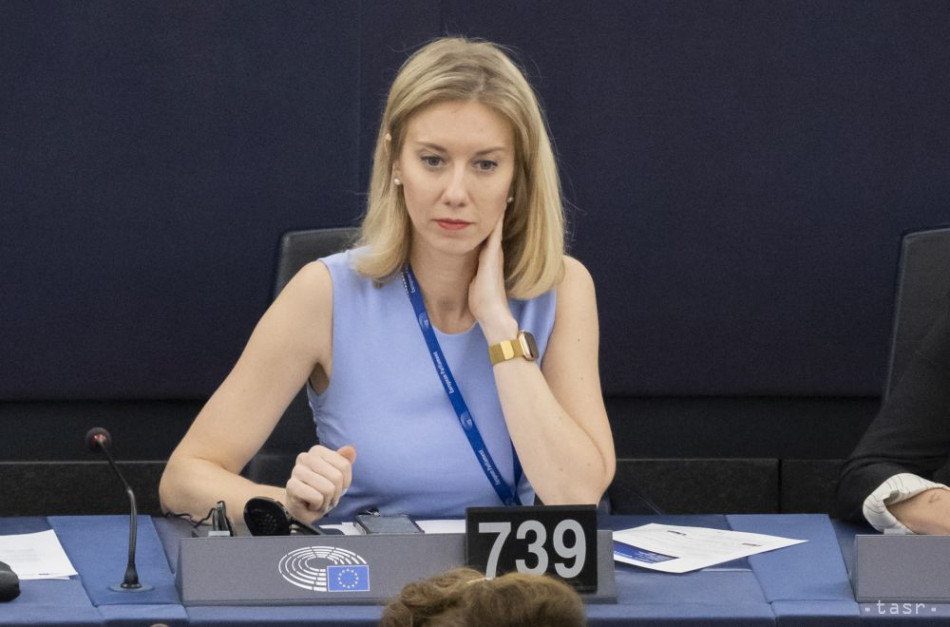
MEP Lucia Yar (Progressive Slovakia), a member of the EP Committee on Women’s Rights and Gender Equality, observed the index release in Brussels and reported to TASR that Slovakia has moved up one position in the Gender Equality Index from the previous year, now ranking 23rd. The index indicates a slight improvement of 0.7 points, with Slovakia scoring 59.9 out of 100, reflecting the state of complete equality.
“Unfortunately, Slovakia's advancement is not due to our own initiatives but is mainly attributable to Croatia's decline over the past year,” Yar noted. While Slovakia excels in education access and participation, holding the 11th position in the EU, and women are achieving higher educational qualifications than men, it paradoxically ranks near the bottom in women’s access to decision-making in public affairs, standing third from last, after Hungary and Cyprus.
This suggests that despite an increase in Slovak women’s education relative to men, “women do not naturally ascend to positions of power here,” Yar emphasized.
EIGE identified economic and social decision-making as areas where Slovakia has the most potential for improvement—domains that, according to the latest Eurobarometer survey, are particularly concerning for Slovaks.
“To ensure that social and economic issues are adequately addressed, we must urge political parties to facilitate women’s access to leadership and power. Those in these roles are more likely to reflect their personal experiences,” Yar added. Currently, women make up 23.3 percent (35 members) of the National Council of the Slovak Republic. The government and its coalition partners have successfully included ten women in their parliamentary ranks.
The EU's Gender Equality Index score stands at 71 out of 100, representing an increase of 0.8 points from the previous year and a cumulative rise of 7.9 points since 2010. (December 11th)
“The Slovak shift is unfortunately not the result of our own efforts, but due to Croatia, in particular, declining over the past year.” MEP Lucia Yar
“



Leave a Reply