


Bulgaria Prepares for Eurozone Transition: Massive Currency Shift and Unique Coin Design
The transition to the euro currency in Bulgaria is set to be a monumental undertaking, requiring the logistics to handle significant volumes of euro banknotes and coins. The Chief Treasurer of the Bulgarian National Bank (BNB), Stefan Tsvetkov, revealed that approximately 520 tons of euro banknotes—equivalent to 25 truckloads—and 3,600 tons of euro coins—requiring 181 truckloads—will be needed for Bulgaria’s monetary circulation upon joining the Eurozone. This statement was made during the Euro Week initiative and the Tenth Annual Monetary and Economic Scientific Conference at the University of National and World Economy (UNWE) in Sofia on November 20, 2024.
Replacing Levs with Euros: A Massive Undertaking
Tsvetkov provided further insights into the transition process. The current Bulgarian banknotes to be removed from circulation weigh approximately 642 tons, requiring 32 truckloads, with their length (if laid out) spanning five football fields. The withdrawal of Bulgarian coins will demand 378 truckloads, forming a column 6.8 kilometers long.
“The issuing bank is tasked not only with producing and storing banknotes but also with withdrawing and destroying them,” Tsvetkov explained, emphasizing the volume of work awaiting the BNB as the country prepares to join the Eurozone.
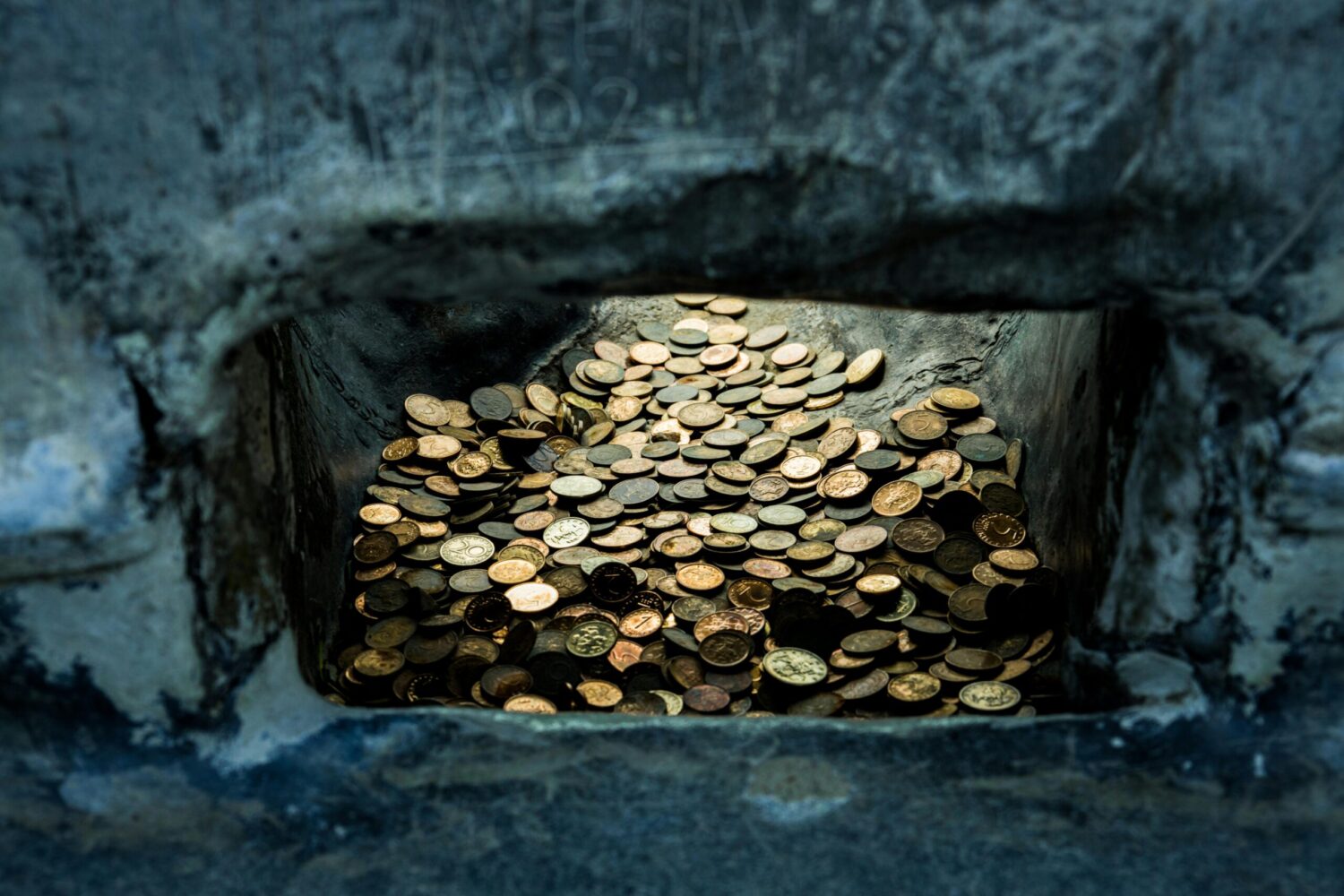
As of now, there are 604 million Bulgarian banknotes in circulation, valued at 29.7 billion leva, and 3.3 billion coins, totaling 615 million leva. These will be systematically withdrawn and replaced by euros when Bulgaria adopts the new currency.
National Identity in the New Bulgarian Euro Coins
Tsvetkov also unveiled the designs for the Bulgarian euro coins, which incorporate significant national symbols to preserve and celebrate the country’s cultural heritage.
– 1 to 50 euro cent coins: Feature the Madara Horseman, a medieval rock relief and a UNESCO World Heritage Site.
– 1 euro coin: Depicts St. Ivan Rilski, one of Bulgaria’s most revered saints and spiritual figures.
– 2 euro coin: Features Paisii Hilendarski, a key figure in the Bulgarian National Revival.
“We drew inspiration from the traditional designs on the lev, ensuring continuity and emphasizing our thousand-year history,” Tsvetkov noted, adding that these symbols make Bulgarian euro coins unique among European nations.
Storage and Commemorative Coins
Euro banknotes and coins will be stored in branches of the BNB in Sofia, Pleven, Varna, Plovdiv, and Burgas. Additionally, the BNB will retain its ability to issue commemorative coins through the national side of the 2 euro coin, which will circulate across the Eurozone. Collector coins, another specialty of the BNB, will remain legal tender only within Bulgaria.
Transition Timeline and Public Adaptation
Once the euro is officially adopted, there will be a one-month period of dual circulation, during which both leva and euros can be used in the country. Afterward, Bulgarian leva can be exchanged without fees at banks and post offices for six months. Tsvetkov reiterated his belief that Bulgaria’s accession to the Eurozone is a logical and advantageous step for the country.
National and EU Approval Process
The designs for the Bulgarian euro coins were approved in November 2023 by the Co-ordination Council for Bulgaria’s Eurozone Preparation. These designs are now pending approval from the European Commission, the Council of the European Union, and other Eurozone member states.
The mandatory design elements on the Bulgarian euro coins include:
– A ring of 12 stars, representing the European Union.
– The word “БЪЛГАРИЯ” (Bulgaria) in Cyrillic, signifying the issuing country.
– The phrase “Господи, пази България” (“God Save Bulgaria”) inscribed on the 2 euro coin.
Optional features include the use of Cyrillic script for “euro” and “cents,” as well as the year “2025,” marking the euro’s introduction in Bulgaria.
Production of Bulgarian Euro Coins
The national side of the euro coins largely reflects the designs of current Bulgarian coins, ensuring familiarity and smooth adaptation for Bulgarian citizens. The designs were crafted by “Monneten dvor” EAD and will eventually be produced following their approval by European institutions.
As a preparatory measure, eight denominations of euro coins with the Bulgarian national side will initially be produced in quantities of up to 1 million coins per denomination for testing and certification by the Bulgarian Mint. Full-scale production will commence after an official EU decision on Bulgaria’s euro adoption.
Conclusion
Bulgaria’s progression toward the Eurozone marks a significant economic step, accompanied by meticulous planning for currency replacement and a strong emphasis on national identity. The transition to










Leave a Reply