


Madrid – Spanish agri-food product designations of origin are expressing concerns regarding the potential effects of the trade agreement between the European Union (EU) and Mercosur, which may vary significantly across different sectors.
Ángel Pacheco, the president of the Spanish Association of Designations of Origin (Origen España) and the Regulatory Council of DOP Torta del Casar, stated to Efe that the agreement’s impact will differ based on each sector’s characteristics.
“We must remain vigilant to see how things unfold,” Pacheco remarked, noting that agricultural and livestock sectors have historically been treated as bargaining chips in negotiations involving Mercosur and other international treaties.
He emphasized that any measures aimed at protecting quality brands ultimately support designations of origin (DOP), but also reminded that both DOP and protected geographical indications (PGI) are closely tied to agricultural production, which could face negative impacts in certain scenarios.
Enhanced International Protection
The agreement is poised to grant EU agri-food products increased market access through gradual tariff reductions and eliminations, presenting an opportunity for Spanish goods like olive oil, wine, spirits, and pork.
Furthermore, the protection of quality designations will be reinforced, benefiting 59 Spanish food and beverage products, which include those recognized in regions like Jabugo, Baena, Ribera del Duero, Cariñena, and Brandy de Jerez.
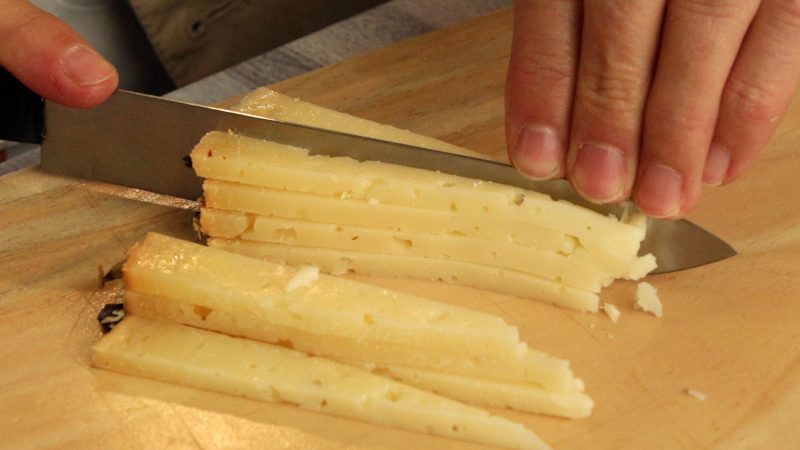
For instance, the sale of imitation “manchego-style cheese” will be prohibited (except in Uruguay), allowing only the authentic product from Spain to be sold, with European inspectors set to oversee these practices for the first time.
Once the agreement is ratified, new geographical indications from the EU will also be allowed protection within Mercosur, and vice versa.
Pacheco stressed that the EU is responsible for the international protection of DOP and IGP, which includes the final approval of these designations. He noted that defending these brands globally is crucial, especially in light of conflicts arising from protected products elsewhere or instances of imitation.
“Continued efforts in this direction are vital. Protecting our quality brands is essential,” Pacheco pointed out, although he acknowledged that many of these brands are small and have limited presence in international markets.
Concerns Over Imports
In addition to protecting quality brands, Pacheco highlighted the potential impact of the agreement on domestic markets. He cautioned that, “while (the designations) are very specialized, stakeholders must remain alert regarding the final negotiation process prior to its ratification.”
He clarified that just as Spanish products will face fewer barriers entering the South American market, numerous Mercosur products will similarly gain access to the EU market, with meat competition being a significant concern.
“We must also safeguard our producers and processing industries, which requires a clear understanding of all nuances before fully evaluating potential outcomes,” he stressed.
Pacheco aligned with the primary sector’s calls for ensuring that imported goods adhere to the same production standards as European products to prevent unfair competition. (December 26)









Leave a Reply