



Moscow (Eurotoday) – Fighting has intensified in Ukraine since Russia launched a full-scale attack and has slowly expanded the amount of territory it controls.
The Russo-Ukrainian War started in February 2014 with Russian forces occupied and annexed Crimea from Ukraine forces. Russia supported pro-Kremlin factions fighting the Ukrainian military in the Donbas War. In continuation of this in February 2022, Russia launched a full-scale invasion of Ukraine and started occupying more of the country. It prompted the biggest conflict in Europe since World War II. The conflict between the two countries has resulted in a refugee problem and tens of thousands of deaths.
At the beginning of Russia’s full-scale attack on Ukraine, Western countries—France, Germany, the UK, and most importantly the USA—believed that President Zelensky’s regime would collapse soon. At the start of the war, the main goal of Russian President Vladimir Putin was to capture Ukraine’s capital, Kyiv, and install a pro-Russian leader in the city. However, More than 1,000 days have passed, but the capital of Ukraine is still in the hands of the Ukrainian government and armed forces. There is a common perception that the reason the Ukrainian government has not collapsed is due to the extensive aid from its Western partners. However, the country has lost nearly 20 per cent of its territory and tens of thousands of residents. Moreover, Russian forces continue to advance, and there are fewer chances of concluding the war anytime soon.
Latest Situation
In the latest situation, Moscow had launched a hypersonic missile at Ukraine in reaction to the US and UK letting Kyiv utilise advanced Western weaponry at targets inside Russia. Ukraine hit Russia employing US-made long-range ATACMS missiles for the first time. Russia’s forces are attempting to push out Ukrainian soldiers who occupy approximately 600 sq km of Russian territory. Ukraine was in despairing need of the latest weaponry as its frontline clips and Russian forces made gains on the battleground at a faster rate than at any point since 2022.
In August this year, Ukraine captured parts of Russia’s Kursk region in a surprise attack, however, after making steady advancements in the region, Ukrainian soldiers started to lose the region there in October. The attack has come at the expense of territory in Ukraine’s eastern Donetsk territory. Russia has mustered a force of approximately 50,000 soldiers, including 10,000 from North Korea, in a fresh endeavour to force the Ukrainians out of Kursk. Losing Kursk would restrain Zelenskyy from a useful bargaining chip in any upcoming discussions with Russia. The appearance of North Korean troops was noted by US officials as a reason for President Biden showing the green light for Ukraine to employ long-range ATACMS missiles to strike inside Russia.
According to experts, the Kremlin’s attack
Comments
3 responses to “Current Status of the Russia-Ukraine Conflict: Who Holds the Advantage?”
-
Seems like a game of chess where the pieces are just rolling around the board on their own—who knew geopolitics could be this much fun? 🎭 Meanwhile, I wonder if anyone’s keeping track of the score? 🤔
-
Quite the chess match we’ve got here, isn’t it? One side thinks it’s a game of checkers, while the other is just trying to keep the board from falling off the table. 🎲💼
-
Oh, look at that, 1,000 days and still counting—someone should tell Putin that playing Risk isn’t supposed to end in a real war. 😅 Meanwhile, Ukraine’s clearly having a long-term lease on “not going anywhere anytime soon.”

Last News
Top Farage Aides Resign Following Undercover Donations Scandal
Channel 4 News repor
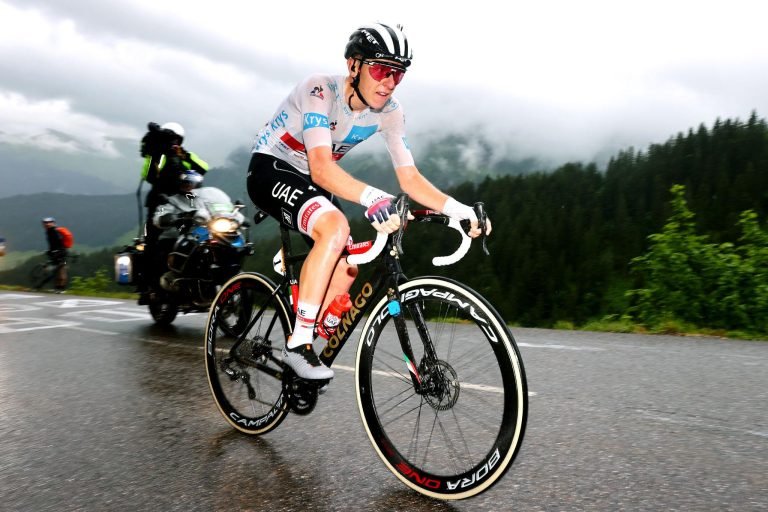
Tadej Pogacar’s World Championships Return in Doubt After Severe Vuelta Crash in Barcelona
Barcelona, Spain, 3 September (Eurotoday Newspaper) – Tadej Pogacar has been discharged from hospital following surgery on his fractured left collarbone, but serious doubts remain over whether he will be fit to defend his world road race title later this month. The latest Tadej Pogacar recovery assessment from Slovenia’s medical team suggests competing at the World Championships in Montreal on 2
Just Three Individuals Globally Travel Without Passports

Wenn Ulrich Siegmund Ministerpräsident wird
Pauline von Pezold evaluates how realistic this
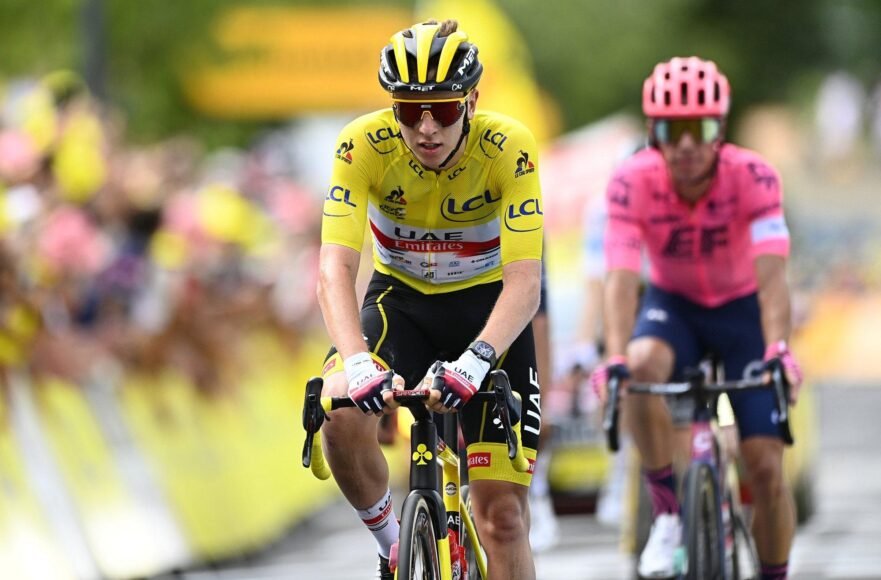
Tadej Pogacar Discharged from Hospital, Unlikely to Return for Worlds
Barcelona, Spain, 3 September (Eurotoday) – Tadej Pogacar has left hospital following surgery on his fractured left collarbone, but the latest Tadej Pogacar recovery outlook suggests his chances of defending his world road race title later this month are increasingly slim. The Slovenian was pictured with his left arm in a sling, facial bruising and bandages as he began the next stage of his reha

Scientology Volunteer Ministers Exhibition Held in Bologna
The initiative launched on Sunday, 30 August, attended by
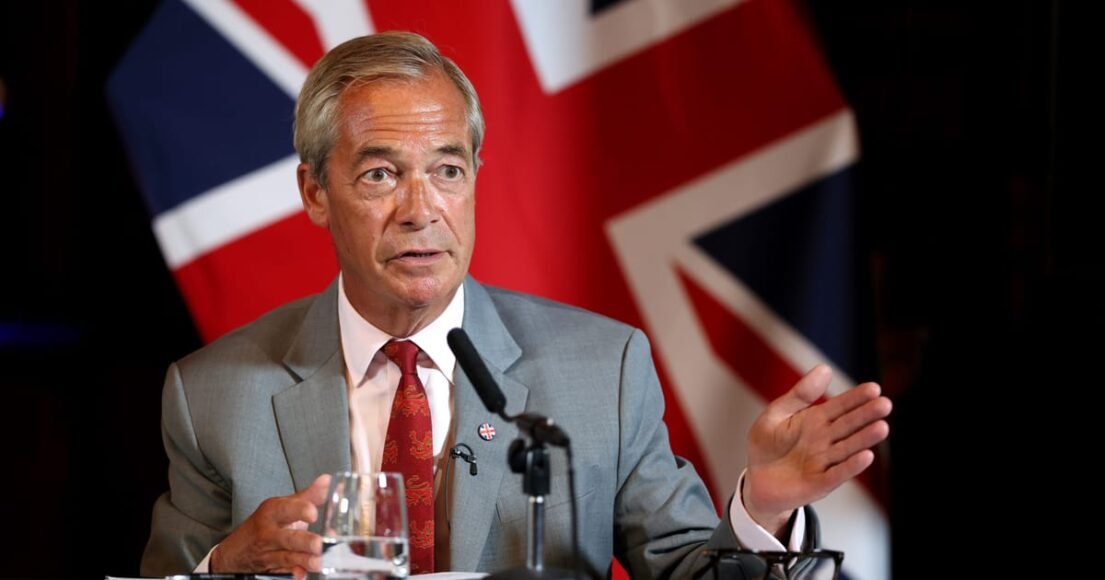
Farage Vows to Cut UK Energy Bills
Reform announced plans to eliminate charges on gas generators, including those from the U.K. Emissions Trading Scheme (ETS), which aims to reduce greenhouse gas e

Alexander Harris Discovered Deceased Following Mountain Trek in Pakistan
Mansehra, Pakistan, 3 September (Eurotoday Newspaper) – The body of Alexander Harris, a 30-year-old British-Irish trekker who disappeared while descending Musa Ka Musalla in northern Pakistan, has been found following a three-day search involving police, rescuers and local volunteers. Pakistani officials believe he may have slipped and fallen while descending in deteriorating weather.
Harris, or
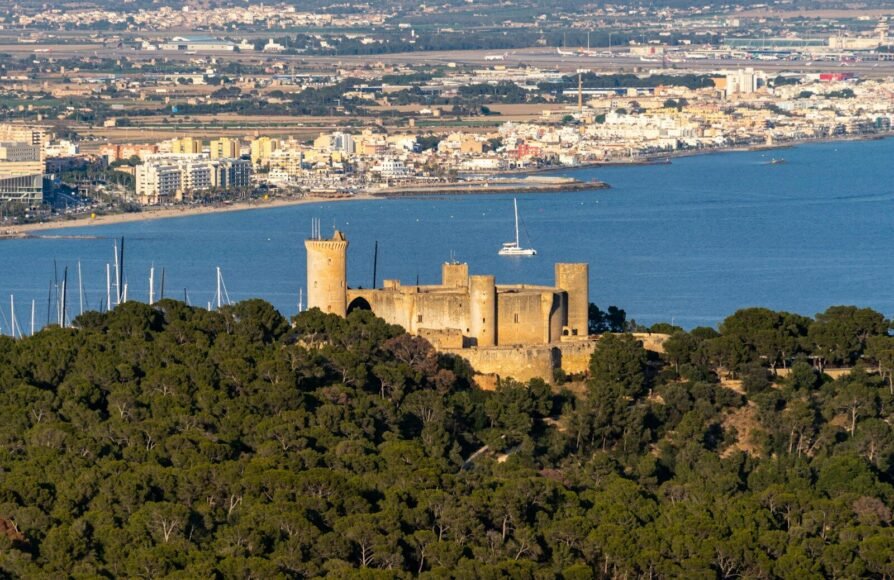
Ceuta Report Heightens Spain-Morocco Tensions
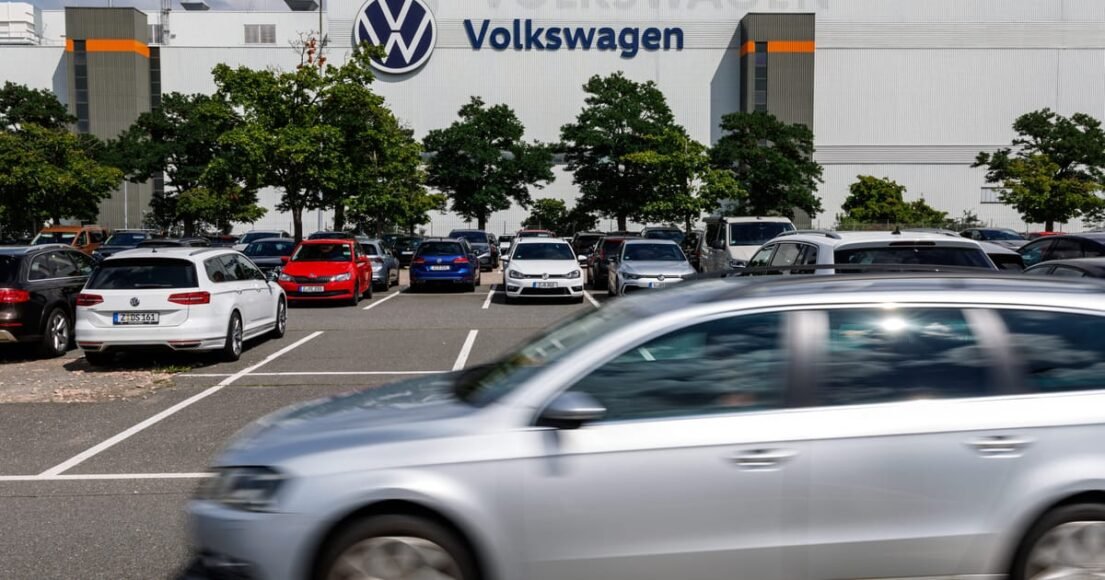
Germany’s Far Right Benefits from VW Troubles
Instead, automotive suppliers, chemical firms, and other manufacturers are facing job losses, high energy costs, and a surge in Chinese exports threatening vital industries.
These concerns are intensifying a
Leave a Reply