


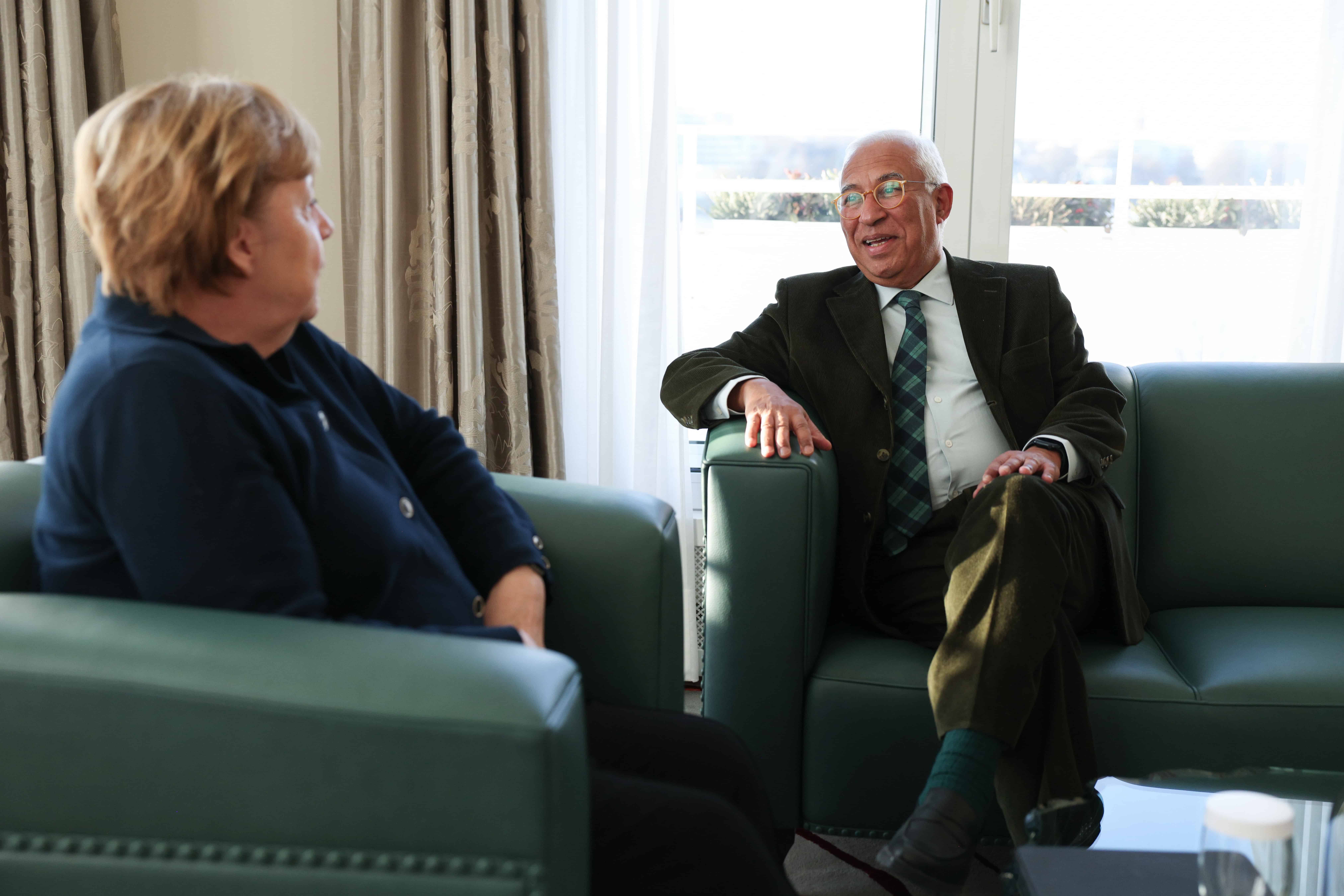
At the Matthiae Mahl in Hamburg, European Council President António Costa outlined a vision for a more robust European Union capable of self-defense, economic competition, and independent action in an unstable world. Addressing an audience including former German Chancellor Angela Merkel, Costa emphasized that Europe should counter war, coercion, and global fragmentation by enhancing its unity.
HAMBURG — In his keynote at the Matthiae Mahl event, European Council President António Costa conveyed a clear political message: Europe must become more sovereign without isolating itself. His speech, delivered at one of Hamburg’s symbolic civic gatherings, connected the EU’s security, economic competitiveness, and international partnerships into a single strategic argument.
The setting was purposeful. The Matthiae Mahl, a ceremonial feast since 1356, remains one of the world’s oldest civic events. This year’s gathering at Hamburg City Hall aimed to provoke debate on a modern and united Europe amidst rising geopolitical and economic pressures. Costa was among the event’s honorary guests, alongside Angela Merkel, whom he praised in his opening remarks.
Costa presented the EU as historically unique: neither an empire nor a typical federation, but a project of voluntarily shared sovereignty. This concept, he argued, grants the Union legitimacy and appeal amid authoritarian pressure, war, and power politics challenging the international system. Europe’s solution, he contended, must transcend institutional preservation through political resolve.
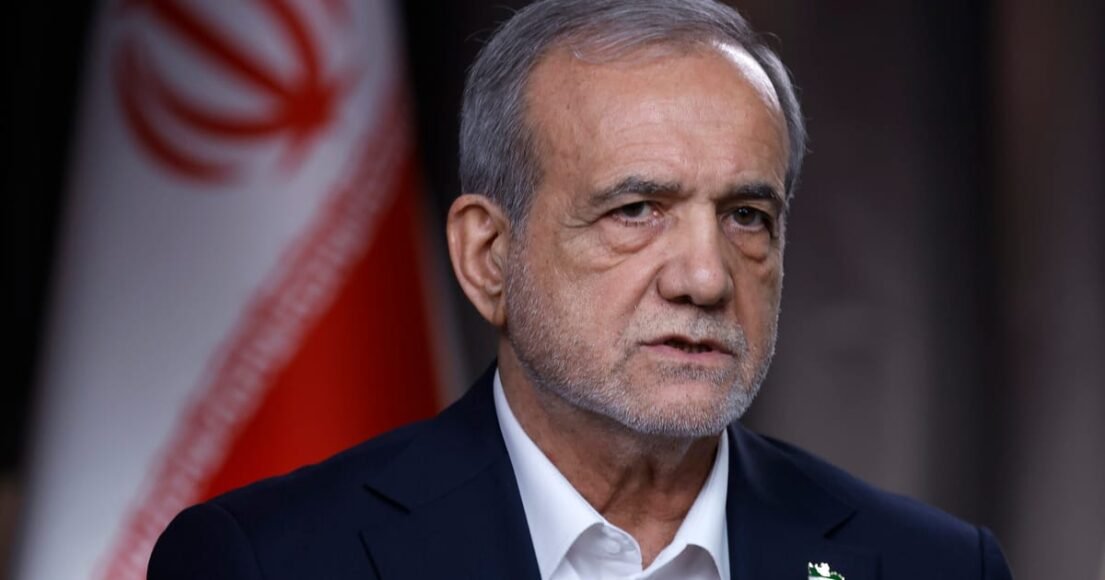
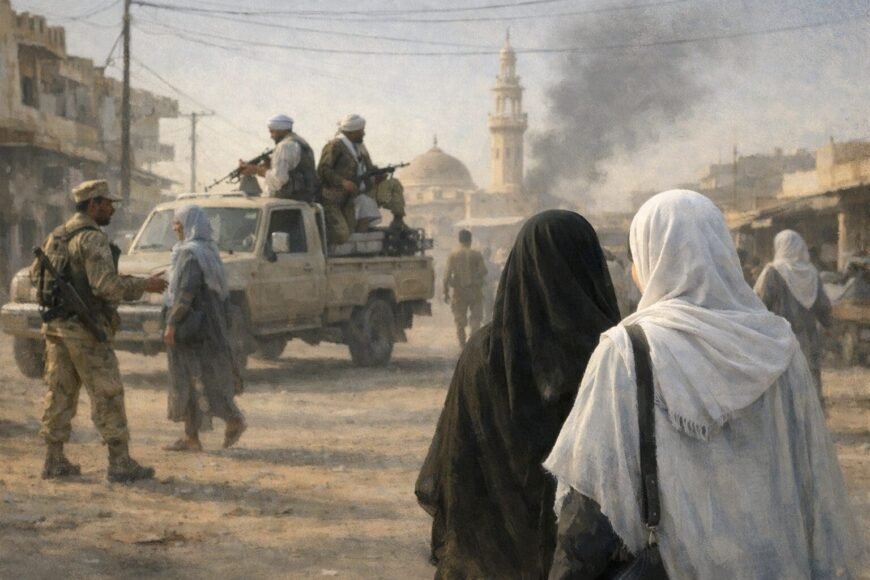
This argument permeated the most assertive part of the speech. Costa asserted that the EU should uphold the international rules-based order and reject violations of international law globally. He referenced Ukraine, Gaza, Iran, Sudan, and Afghanistan, portraying Europe as a bloc concerned with security and human dignity equally. He also addressed the Middle East’s worsening situation, advocating diplomacy as the only sustainable solution.
Beyond values, Costa’s broader point emphasized that principles require power. “Peace without defense is an illusion,” he stated, citing the Ukraine war as a catalyst for Europe to reassess its role. He commended Germany’s Zeitenwende and its energy shift from Russia while advocating for an enhanced EU defense capacity, not in opposition to NATO, but as a fortified transatlantic alliance pillar.
The speech also urged continuity. Costa reminded that EU leaders prioritized defense in 2025, proposing 2026 as the year of competitiveness. This approach is crucial as it reflects a consensus in Brussels: Europe’s geopolitical credibility depends on military readiness and its capability to innovate swiftly, reduce dependencies, deepen capital markets, and enhance cross-border economic efficiency.
His economic message resonated with ongoing Union debates. Alluding to the push for a stronger industrial and regulatory strategy, Costa called for “One Market for One Europe” — a more integrated single market with fewer internal barriers for business, services, and investment. This simple phrase carried an ambition: Europe must operate more like a power if it wishes to act as one.
This includes defending Europe’s digital regulatory autonomy, fostering energy integration, and safeguarding strategic sectors from coercion. It also involves maintaining the social balance that defines the European model. Costa argued that robust welfare states, affordable housing, and quality jobs are foundations of competitiveness, not constraints. For a Union often seen as market-focused rather than socially protective, this was politically significant.
Trade was another key aspect of the address. Costa portrayed the EU as a global rule-maker, not a fortress, supporting free-trade agreements as tools for stability and standards, not merely commerce, contrasting them with rising tariff politics elsewhere. In doing so, he positioned Europe between protectionism and dependency: globally open yet internally resilient.
The speech’s political undertone was clear. Europe, Costa stated, must not become “a tool in someone else’s game,” addressing global rivals and internal doubts. With economic pressure from Washington, industrial power from Beijing, and military aggression from Moscow, the EU faces pressure to define itself as more than a market or peace project, but as a strategic actor.
Hamburg was a fitting backdrop for this message. A city shaped by trade, maritime


Leave a Reply