


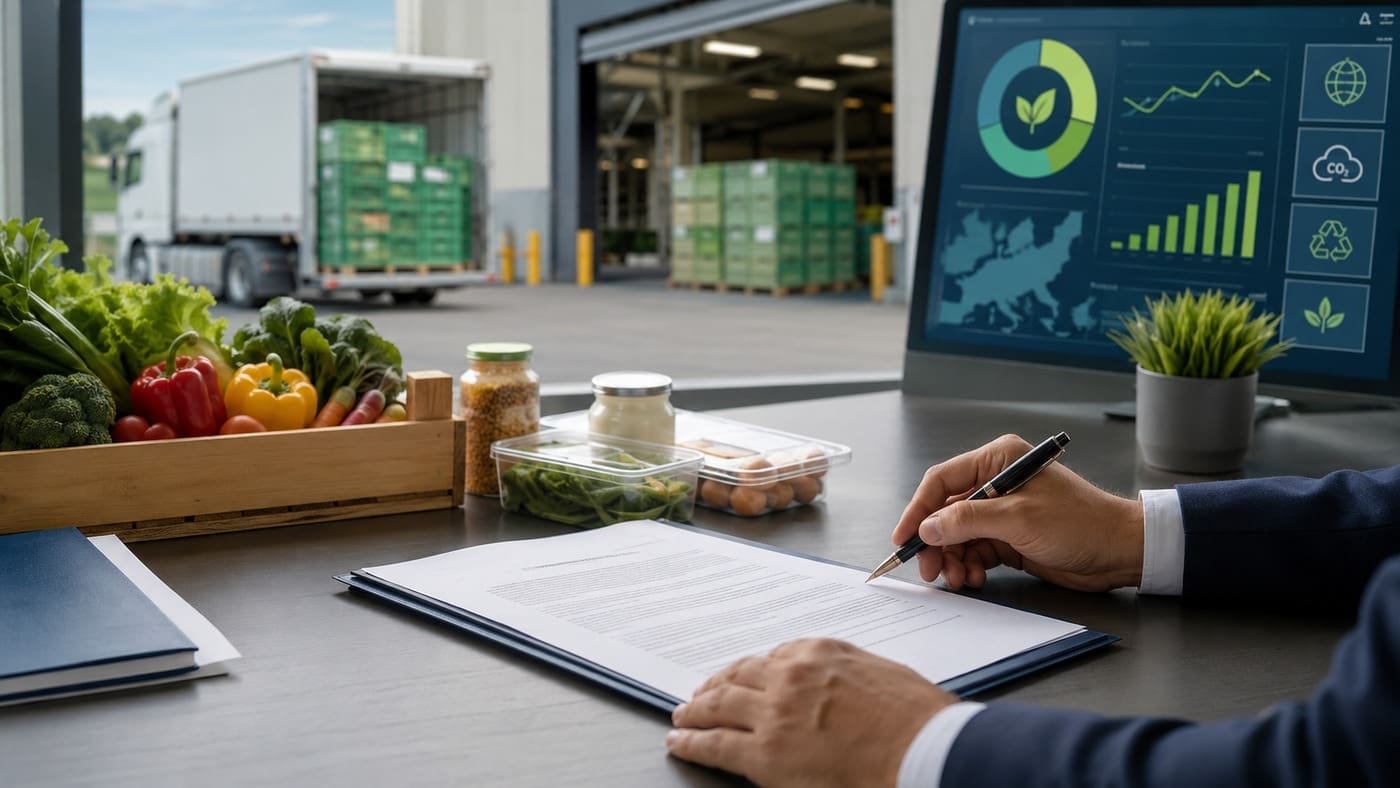
Summary: The Chancery Lane Project and WRAP have revised a model contract clause to help businesses track, reduce, and report food waste in supply chains, turning legal documents into pragmatic tools for climate action, cost savings, and transparency.
London, 14 May 2026 — While food waste is often linked to household, retail, and consumer actions, a new collaboration between The Chancery Lane Project and WRAP highlights the role of commercial contracts. They have updated Runa’s Clause, a practical legal tool to help companies lower food waste in supply chains. This clause guides agreements between parties to measure food waste, record reduction efforts, report progress, and collaborate to prevent avoidable waste.
This comes as entities face pressure to tackle the economic and environmental costs of waste. The European Commission reports over 58 million tonnes of food waste annually in the EU, valued at about €132 billion. New EU targets mandate food-waste reductions by 2030, including a 10% cut in processing and manufacturing and a 30% per capita reduction across various sectors.
Embedding sustainability into contracts
Runa’s Clause shifts food waste reduction from aspirations to practical application, embedding measurement, cooperation, and reporting in supply contracts. It encourages businesses to measure waste, identify causes, keep reduction records, and share data. Regular meetings and annual reports, using WRAP’s tools, are also encouraged.
Ben Metz, Executive Director at The Chancery Lane Project, emphasizes the power of contracts to effect change and move companies from intentions to measurable outcomes.
Why food waste impacts business costs
WRAP’s involvement bolsters the clause’s practicality. Its Food Waste Reduction Roadmap focuses on “Target, Measure, Act”: setting targets, measuring waste data, and taking corrective actions. Caroline Conroy from WRAP highlights the financial impact of food waste, citing costs ranging from £1,638 to over £4,200 per tonne. Preventing a tonne of waste can also avert nearly four tonnes of CO2e emissions. Thus, waste prevention is both a resilience and responsibility issue.
Enhancing supply-chain transparency
The updated clause addresses the difficulty in sustainability work where much of the environmental footprint lies in the supply chain. Runa’s Clause facilitates data sharing and cooperation, helping to identify and prevent waste and develop improvement plans.
The English Provender Company plans to adopt the clause for transparency and collaborative efforts in avoiding waste.
European relevance beyond the UK
Though the clause originates from the UK context, it’s relevant across Europe where food-waste prevention is a growing priority. The EU’s revised waste framework emphasizes measurable reduction targets, with businesses facing increasing expectations to document sustainability efforts.
Legal templates must be adapted to local contexts, but the message is clear: sustainability goals should be reflected in a business’s legal framework.
Enforcing policy through practice
Runa’s Clause is not law but shows how private law can support public goals. Contracts can convert broad policy targets into specific operational duties, crucial as food-waste policy shifts to implementation. Companies will need evidence of their actions, making contract clauses key to creating this trail.
Food waste remains one of Europe’s contradictions: abundant waste occurs amid rising living costs and food insecurity. Addressing it requires regulation, technology, consumer changes, and logistical improvements. This initiative offers another lever: everyday business documents.
In essence, the updated Runa’s Clause highlights that sustainability is integrated into procurement, supplier obligations, reporting, and contractual mechanisms guiding business conduct.










Leave a Reply