


The central proposal is to redirect EU funding from its traditional areas of agriculture and regional development toward new focal points like defense and innovation.
Wednesday marks the beginning of more than two years of intense negotiations involving both governments and the European Parliament. All 27 EU governments must unanimously agree to the plan.

The proposal will be challenging for von der Leyen. Besides Germany’s concerns, France, as the second-largest economy, is also reluctant to enhance its contributions due to its expanding deficit and growing debt. On Tuesday, French Prime Minister François Bayrou revealed a national budget aimed at saving €43.8 billion ― immediately putting him at risk from parliament’s opposition.
The Commission plans to allocate €946 billion to “Europe’s social model and quality of life,” potentially including regional policy and the common agricultural policy, which currently account for two-thirds of the EU budget. If confirmed, funding for farmers’ subsidies and aid to poorer regions ― long staples of the EU budget ― will comprise a noticeably smaller portion of future spending.
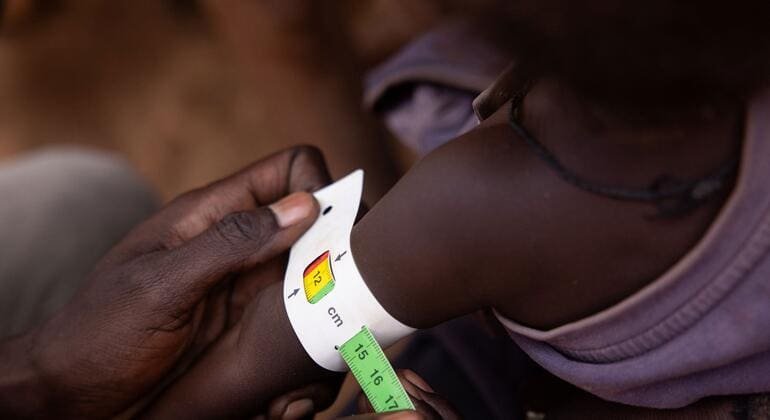
According to figures seen by POLITICO, the Commission is expected to designate €522 billion to “competitiveness, prosperity and security,” €190 billion for “Global Europe,” covering development aid and support to neighboring countries, and €107 billion to “administration,” which includes EU personnel salaries.
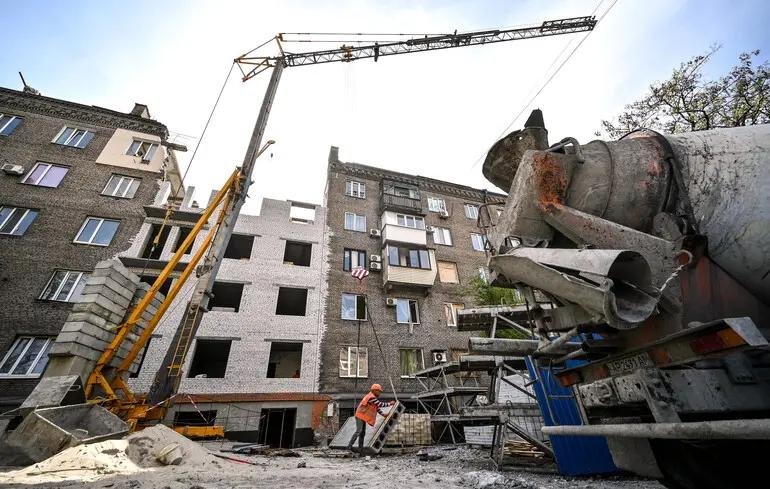
An off-budget fund specifically for Ukraine will amount to €88 billion over the upcoming seven years.
In addition, the Commission will suggest three new taxes on electronic waste, tobacco products, and EU companies with turnovers exceeding €50 million to repay its post-Covid common debt. These repayments are projected to range between €25 and €30 billion annually starting from 2028.
Camille Gijs contributed to this report.







Leave a Reply