



Brussels is grappling with persistent drug trafficking, territorial disputes, and gun violence. When a drug-prevention booth appeared at the Percusounds festival, city officials focused on the religious affiliations of some supporters rather than supporting demand reduction efforts. This raises concerns about freedom of religion or belief and highlights a lack of backing for primary drug prevention.
By August 28, Brussels public prosecutor Julien Moinil reported 69 shootings in the capital since January 2026, with seven in five days. Violence has hit areas like Saint-Gilles, Molenbeek, and Anderlecht, where masked individuals fired automatic weapons at a police station. The attacks are part of an escalation that saw 100 shootings in 2025. Moinil called for more investigators and €10 million in resources, expressing frustration with political leaders’ lack of seriousness towards his requests.
Authorities announced new police deployments and resource allocations, including an operation involving 450 police and 60 military personnel on August 28. These actions aim to tackle individual dealing sites but haven’t prevented criminal groups from replacing dealers or fighting over the lucrative market.
Belgium’s 2021 public-expenditure monitoring reveals a focus on security, with 48% of drug-policy spending allocated there and only 0.84% on primary prevention. This highlights the marginal role of prevention in the overall strategy, which typically acts only after networks form or offenses occur.
Primary prevention is crucial in reducing drug initiation and preventing demand that fuels the illicit market. Enforcement against supply remains incomplete if demand persists.
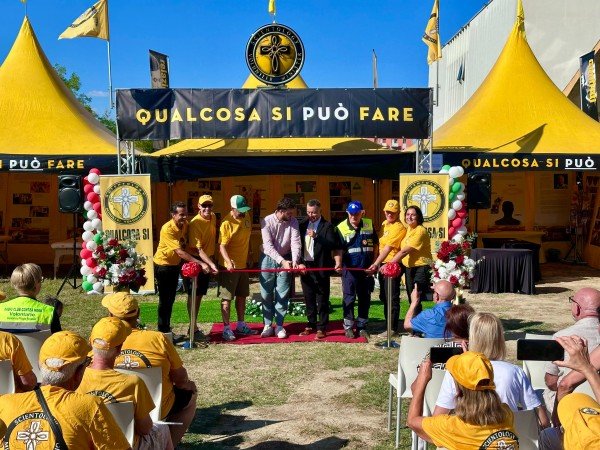
During the Percusounds festival, volunteers from “Non à la drogue, Oui à la vie” ran a booth providing educational materials encouraging informed decisions against drug use. This initiative, associated with the international Foundation for a Drug-Free World, faced scrutiny because of its association with the Church of Scientology. Despite this, no evidence of religious recruitment or misrepresentation was found at the booth.
City officials questioned the booth’s presence due to its Scientology connections, sparking controversy over religious discrimination rather than the initiative’s actions. Municipal authorities should apply neutral safeguards like requiring financial disclosure from participating organizations without discriminating based on religious beliefs.
Belgium’s legal history shows that Scientologists are entitled to fair treatment under the law, with a 2016 court ruling finding previous prosecutions biased. Public authorities should evaluate prevention efforts based on their conduct, not the religious identities of volunteers.
Brussels often focuses on managing drug consumption consequences but requires primary prevention to reduce demand. The city needs to support grassroots initiatives, not exclude them based on participants’ beliefs. Officials quickly challenged the Percusounds volunteers amidst ongoing issues with violence and inadequate prevention. Brussels should support lawful efforts to curb demand, judging initiatives by their legal compliance, not religious association.




Leave a Reply