



King Charles III and the Japanese imperial couple enjoy unique diplomatic privileges that allow them to cross borders without a passport, a benefit not extended to their families. While passports are essential for most travelers, King Charles III and the Japanese Emperor Naruhito and Empress Masako are exceptions. This exemption stems from their distinct constitutional roles in the UK and Japan, and it does not apply to their relatives.
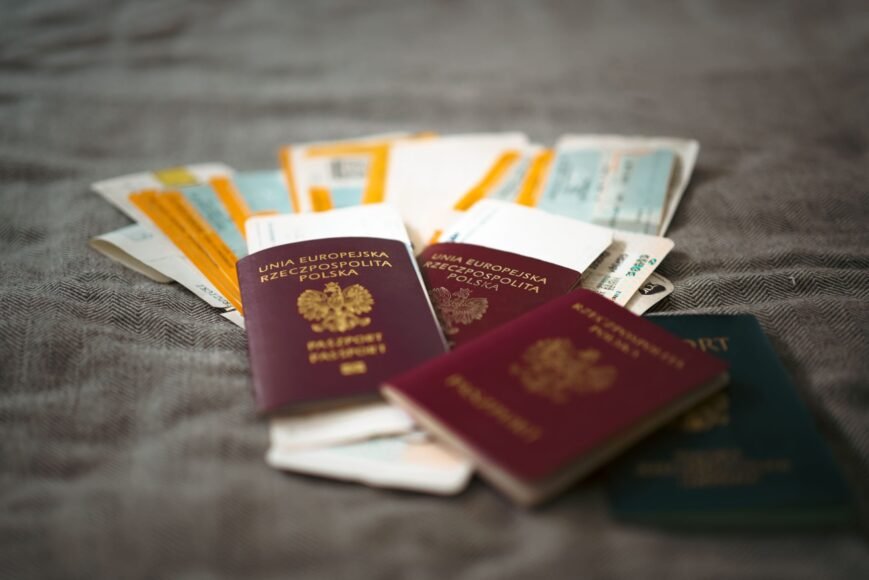
In the UK, the paradoxical reason is that the monarch’s name is on the passports issued to citizens. The British royal website confirms the sovereign’s exemption from needing a passport, as passports are technically requests from the monarch to foreign authorities. This privilege passed from Queen Elizabeth II to King Charles III and will apply to future monarchs. However, Queen Camilla and other royal members must carry passports, so Charles III travels without one while his family does not.
In Japan, a rule from 1971 allows Emperor Naruhito and Empress Masako to travel without passports. This decision originated when Emperor Hirohito planned a groundbreaking international trip, and requiring standard travel documents was deemed inappropriate. Diplomatic arrangements are made prior to their travel. The exception is specific to the emperor and empress; other imperial family members need diplomatic passports.
For both nations, a passport involves a request from one country to another. In Charles III’s case, it’s issued in his name, whereas Japan utilizes a specially crafted diplomatic protocol. Among global travelers, Charles III, Naruhito, and Masako stand out as not needing a passport for travel.








Leave a Reply