



Brussels (Eurotoday): Since May 2023, Brussels has required food waste sorting, leading to a 30% increase in bio-waste collection, totaling 21,593 tonnes from January to October 2024. This effort by Net Brussel aims to reduce greenhouse gases and promote recycling. If the trend continues, over 25,000 tonnes of food waste will be collected by the end of the year, much more than in previous years.
Since the rule requiring food waste sorting started in the Brussels Region in May 2023, the amount of collected bio-waste has increased significantly. From January to October 2024, the waste management agency Net Brussel reported collecting 21,593 tonnes of bio-waste, compared to 14,377 tonnes during the same time in 2023. This is an increase of over 30%. The rule is encouraging residents to separate their food waste for recycling and composting.
What factors contributed to the 30% increase in bio-waste collection in Brussels?
The increase in bio-waste collection is due to several reasons, including public awareness campaigns, better systems for collecting food waste and enforcing the sorting rule. This initiative helps reduce greenhouse gas emissions by keeping organic waste out of landfills and supports the creation of useful products like compost and biogas. By making sorting mandatory, the Brussels Region is making important progress toward better waste management
It has been said that if the monthly increase continues, over 25,000 tons of food waste will be collected by the end of the year. This is much more than the 18,000 tons in 2023 and 11,000 tons in 2022, when sorting was optional. To help, Net Brussel has started a campaign about food waste that runs until December 31, encouraging people to use orange bags for organic waste.
Comments
Last News
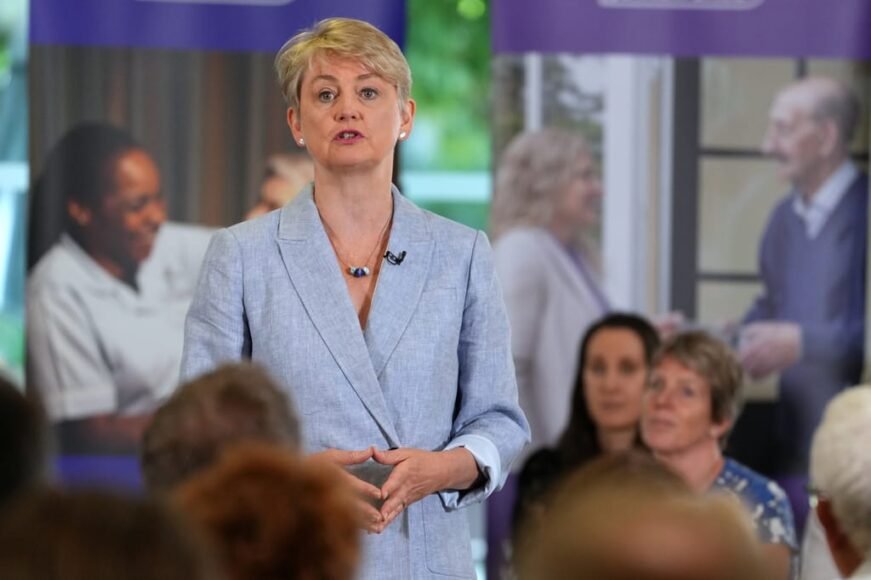
UK Assisted Dying Bill Returns: Labour Advocate Seeks Inspiration from Australia
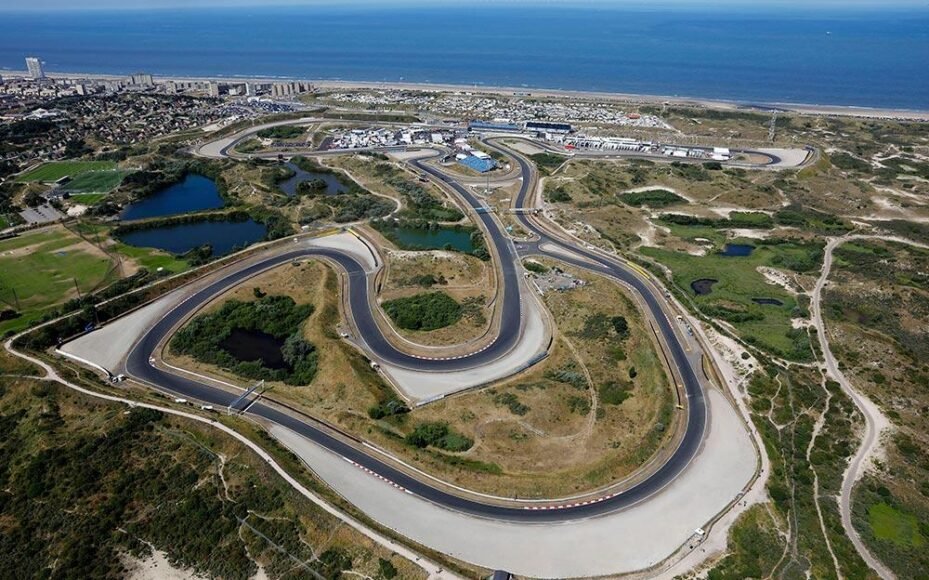
Lando Norris Defeats Kimi Antonelli to Win 2026 Dutch GP – Zandvoort
Zandvoort, Netherlands, 23 August (Eurotoday Newspaper) – Lando Norris won the Dutch GP 2026 for McLaren on Sunday, finishing ahead of Mercedes pair Kimi Antonelli and George Russell after Max Verstappen’s home race ended on the opening lap. Norris started from pole, regained the lead after losing it following the restart and went on to take his second consecutive Formula One victory.
Norris cro
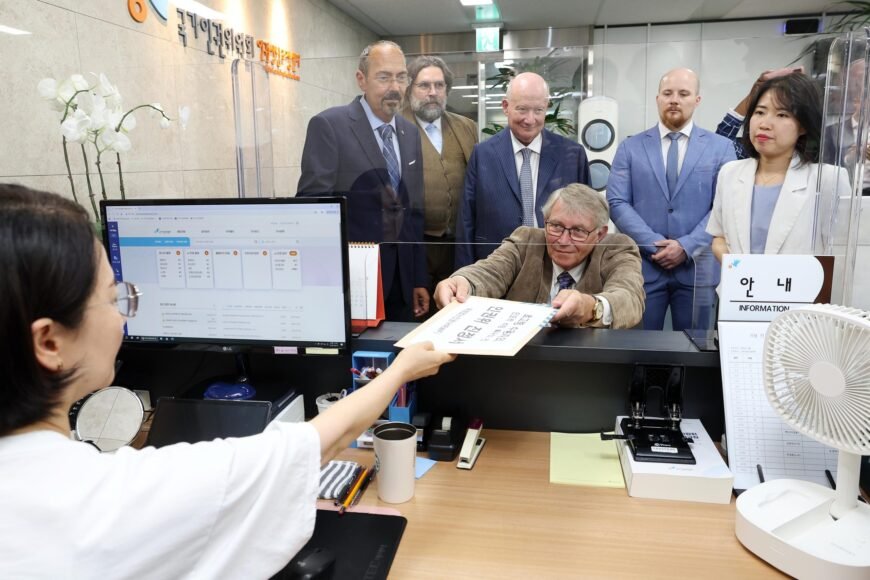
EU Scholars Petition for Alternative to Pre-Trial Detention for 95-Year-Old Chairman Lee
This initiative followed a press conference by Human Rights Without Frontiers (HRWF) on August 7 at the Seoul Foreign Correspondents’ Club. HRWF Associate Director Hans Noot read a petition addressed
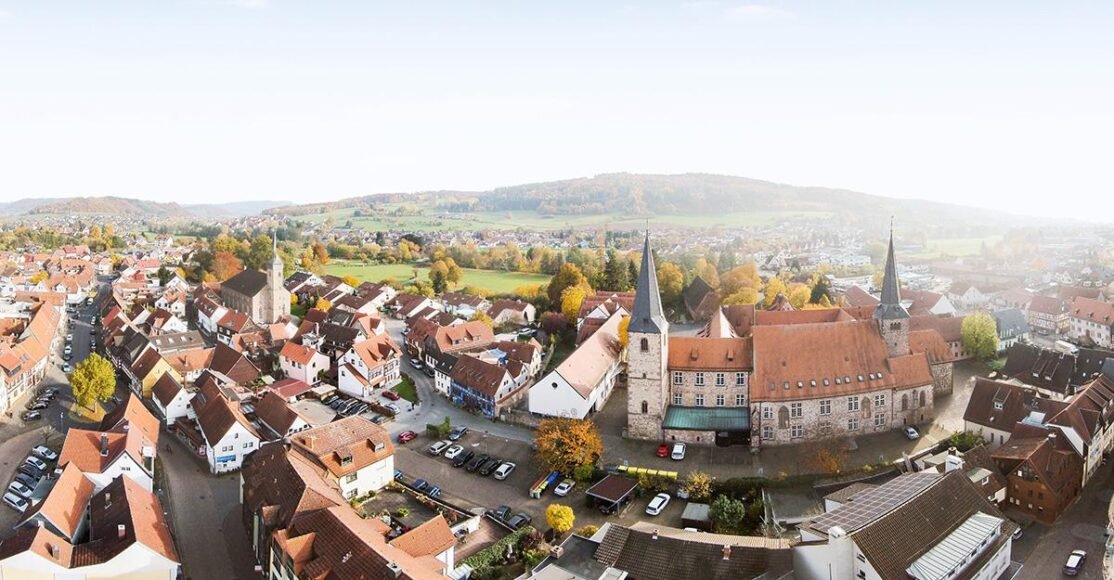
Police Investigate Wedding Convoy on A66 Near Schlüchtern
Schlüchtern, Germany, 23 August (Eurotoday Newspaper) – Police in Hesse are investigating an A66 wedding convoy after motorists reported that several vehicles travelled slowly across both lanes of the motorway near Schlüchtern, temporarily affecting traffic heading towards Fulda.
The incident happened at around 2.45pm on Thursday, 20 August. Several motorists contacted police about the processio
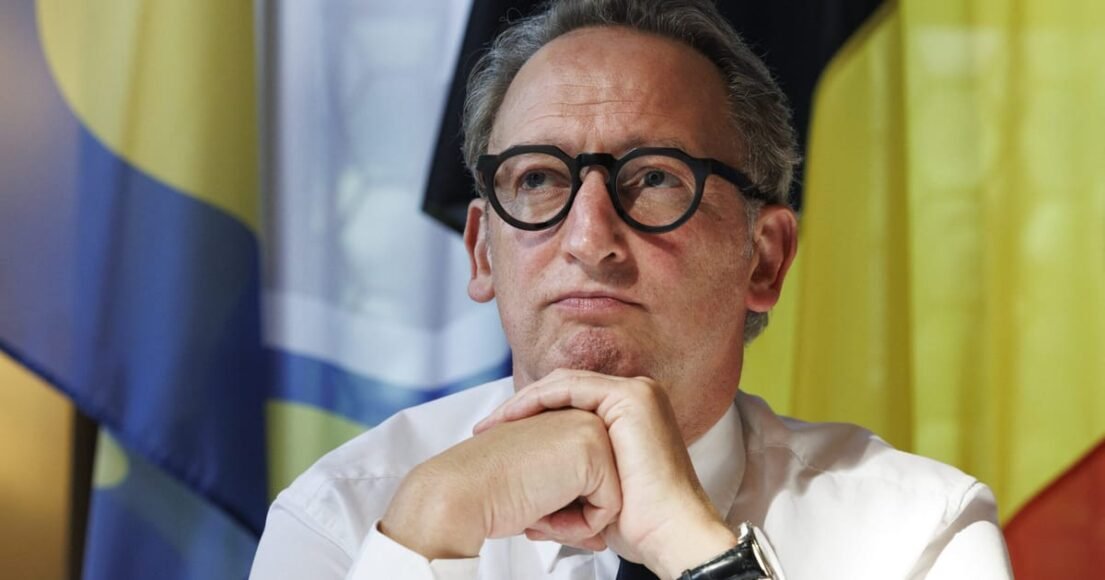
Man Injured in Drug-Related Brussels Shooting Following Police Station Attack
Dilliès mentioned that his government is taking steps to combat the violence, such as appointing a Brussels commissioner for drugs starting in September, and limiting the use of e-scooters, which

The Chain Hasn’t Disappeared: It’s Just Changed Its Name – Dialogue on Servitude 2.0
Christine Mirre & Yodith Gideon on the occasion of the International Day for the Remembrance of the Slave Trade and its Abolition (August 23)
Introduction
Observed each year on August 23, the International Day for the Remembrance of the Transatlantic Slave Trade and its Abolition commemorates the slave uprisi
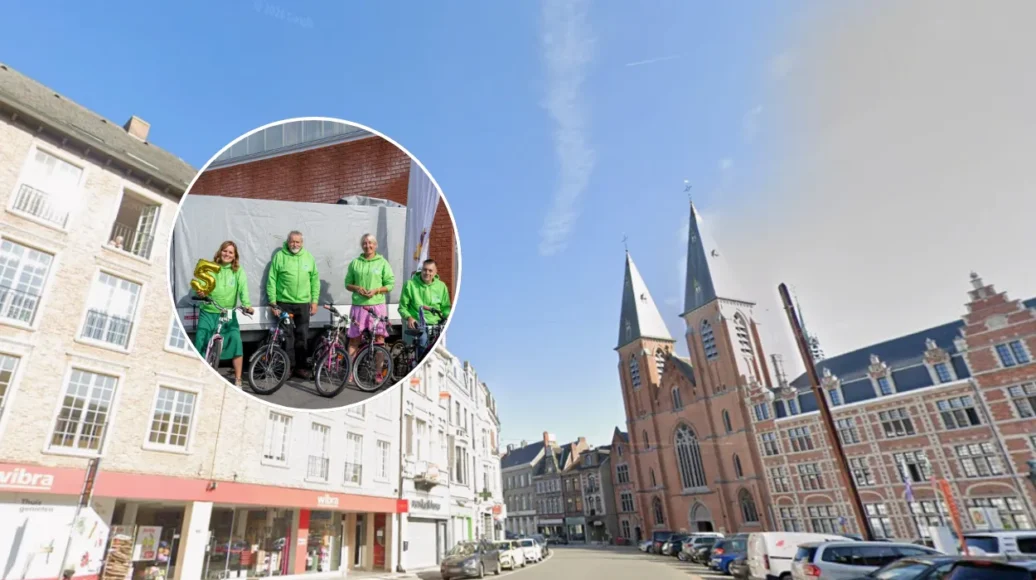
Five Years of Success: Dendermonde Bike Library Celebrates Community Impact
Dendermonde (Brussels Morning Newspaper) – The Bike Library in Dendermonde, Belgium, has completed five years of providing children with access to affordable bicycles, prompting volunteers to celebrate the milestone on Saturday morning.
This event turned out to be an occasion when the volunteers expressed their gratitude to the people who have been helping the initiative to succeed since its fou
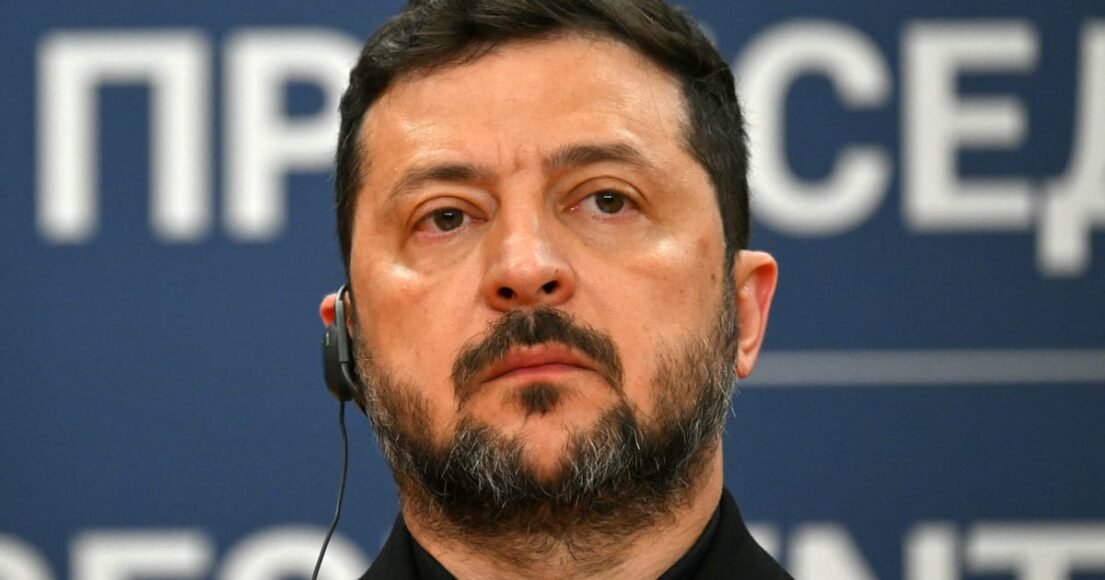
Zelenskyy: Elections Would Divide Ukraine

Dogmatic Debate with Donatism (1)
The concept of the Church as a divine institution for the moral perfection of people, which originated with St. Cyprian, was firmly adopted and preserved in the Church’s consciousness. This idea did not create a history of dogma per se, but rather influenced Church practice and discipline. Under St. Cyprian, the Church was seen as a h
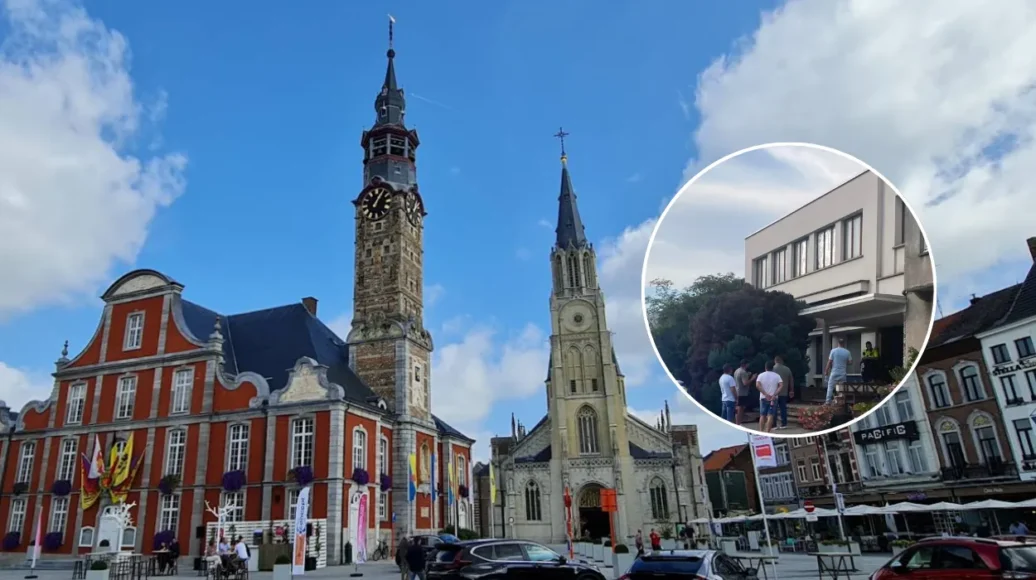
Two Sint-Truiden Men Arrested in Auto Theft Probe
Sint-Truiden (Brussels Morning Newspaper) – Two men from Sint-Truiden have been arrested as part of an investigation into the alleged theft of several vehicles, tools and multimedia equipment, Limburg prosecutors confirmed on Saturday.
Two suspects, ages 42 and 50 years old, have been arrested as a result of an investigation carried out by the police at a residence on Luikersteenweg in Sint-Trui
Leave a Reply