



Strasbourg (Eurotoday) – Bruna Szego, selected as chair of the EU’s Anti-Money Laundering Authority, won despite lacking backing from major groups.
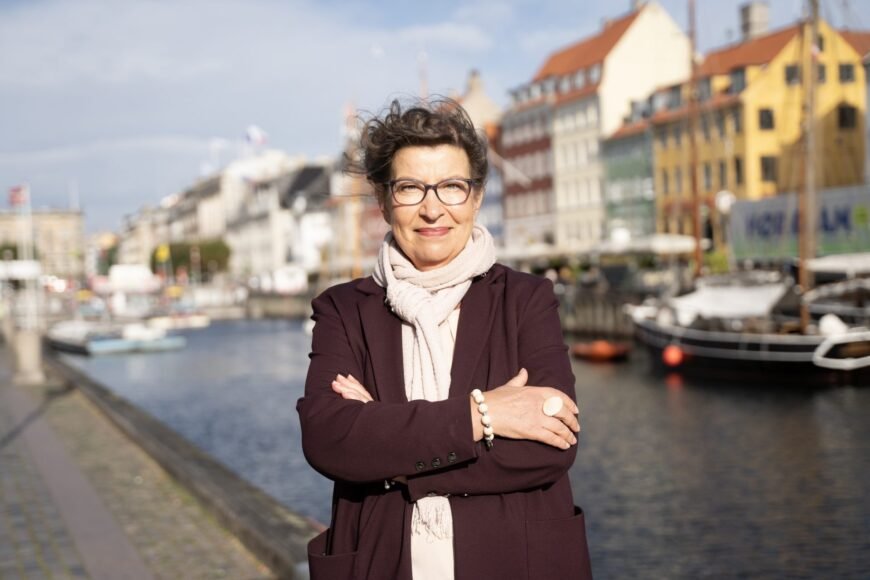
Bruna Szego from Italy was picked as the chair of the EU’s new dirty money watchdog following a three-hour hearing before the European Parliament’s economy and justice committees and an ensuing discussion on the pick.
Bruna Szego secured a majority to dominate rival candidates Marcus Pleyer of Germany and Jan Reinder De Carpentier of the Netherlands, despite lacking the backing of the centre-right European People’s Party, the biggest group in the Parliament, or of the Greens.
What makes Bruna Szego a strong fit for AMLA leadership?
Concerning Szego’s background, she founded and leads the anti-money laundering (AML) supervision and regulation unit at the Bank of Italy, having previously led its regulation and macroprudential analysis directorate. She poses on the EBA’s anti-money laundering standing committee; one of her muscles is linking macroprudential and AML threats.
When will the EU’s new AMLA rules take effect?
European Union’s new single Anti Money Laundering Authority (AMLA), and the governance system it raises, are designed to grant it adequate independence from national regulators to allow it to interfere when country watchdogs fail. It comes after Europe underwent a series of dirty money scandals. The new Frankfurt-based structure will hire some 450 staffers and will begin direct charge of high-risk financial entities as of January 2028, with the EU’s new anti-money laundering rules beginning to take effect six months earlier.
The selection of Szego by lawmakers is the crucial stage in the AMLA chair selection process.
Olivier Salles, the EU authorised handling practices “to deliver the initial [AMLA] start-up” stated last week he hoped the body’s chair could “be appointed in January” to take up their responsibilities as quickly as possible, and that a decision on the AMLA executive board could be taken in February.
Comments
3 responses to “Bruna Szego Named Chair of EU Anti-Money Laundering Authority”
-
Aren’t we all just thrilled to have someone leading the charge against dirty money who, quite frankly, was the last one picked for kickball? 🎉 I mean, lack of support from the big guns really screams confidence, doesn’t it? 😂
-
Oh, fantastic! Just what we need—someone leading the charge against money laundering who has all the support of a wet paper towel. 👏 Can’t wait to see how this thrilling soap opera unfolds! 🍿
-
Oh, splendid! Just what we needed—another Italian leading the charge against dirty money! I suppose next, we’ll have a French chef heading the EU’s diet initiative. 🍝💸

Last News
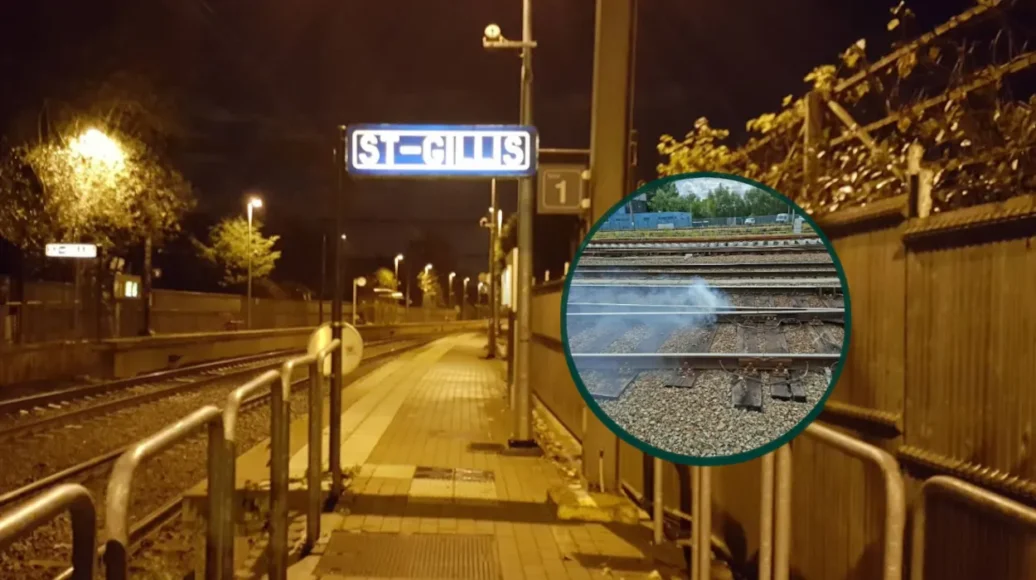
Train Services Disrupted by Minor Track Fire in Sint-Gillis-Dendermonde
Dendermonde (Eurotoday Newspaper) – Train traffic was temporarily halted on Wednesday afternoon after a small fire broke out on the railway tracks at Boonwijkstraat in Sint-Gillis-Dendermonde, a locality within the Dendermonde municipality in East Flanders, Belgium.
While the event was initially described as a trackside fire in initial reports and not one in a train, it did lead to the appropri
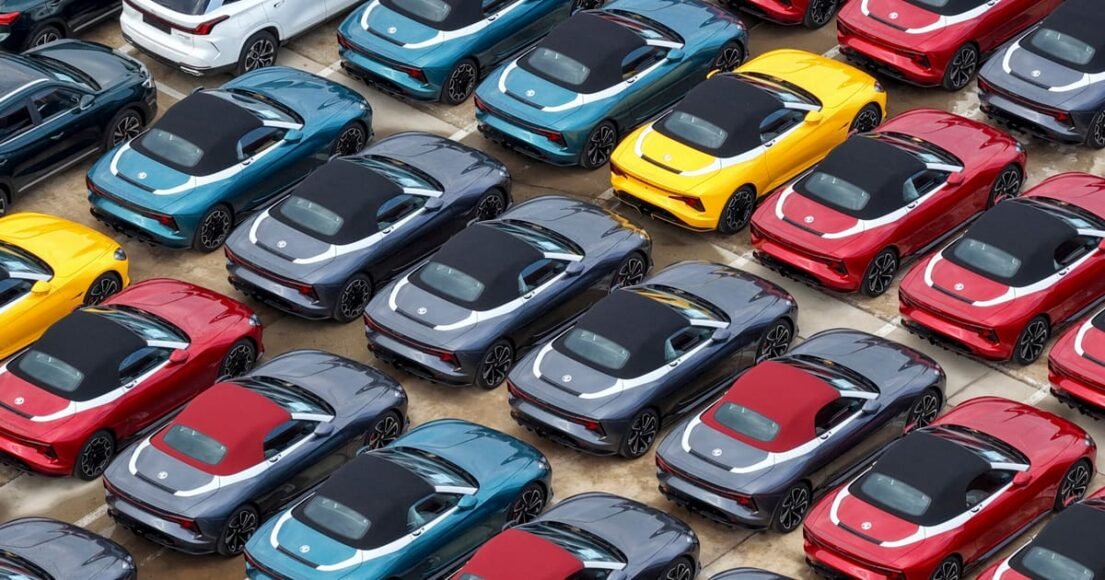
China Threat Strengthens Support for EU Industrial Policy
The IAA aims to mitigate this pressure, restricting Chinese investments in strategic sectors like EVs, raw materials, or solar pan
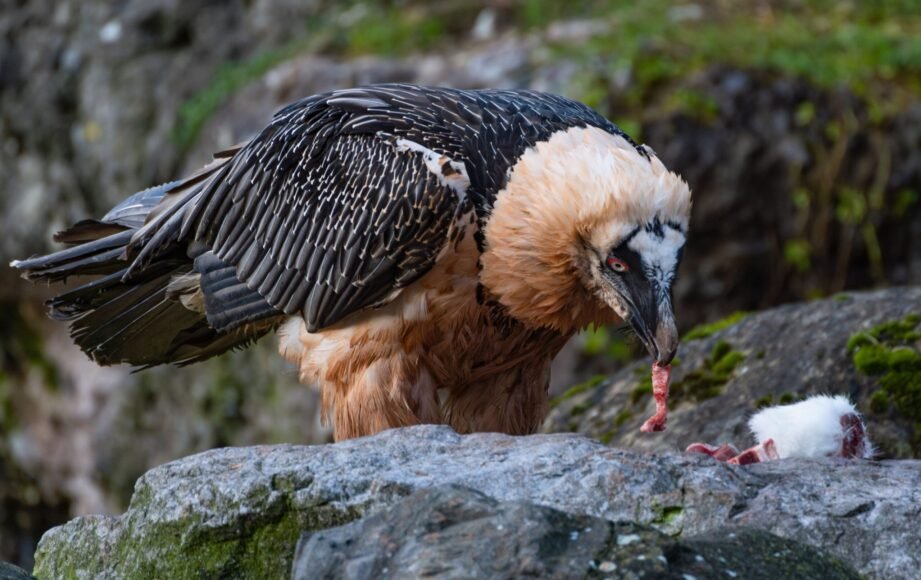
Poison Claims Life of Last Wild Bearded Vulture in Bulgaria
Conservationists are voicing their concerns following the mass poisoning of vultures in Central Balkan National Park. They demand strict enforcement of wildlife protection laws, harsher penalties for crimes against protected species, and immediate action against the use of poisoned baits.
The protest was spurred by a mid-August poisoning event in the Balkan Mountains that resulted in the deaths
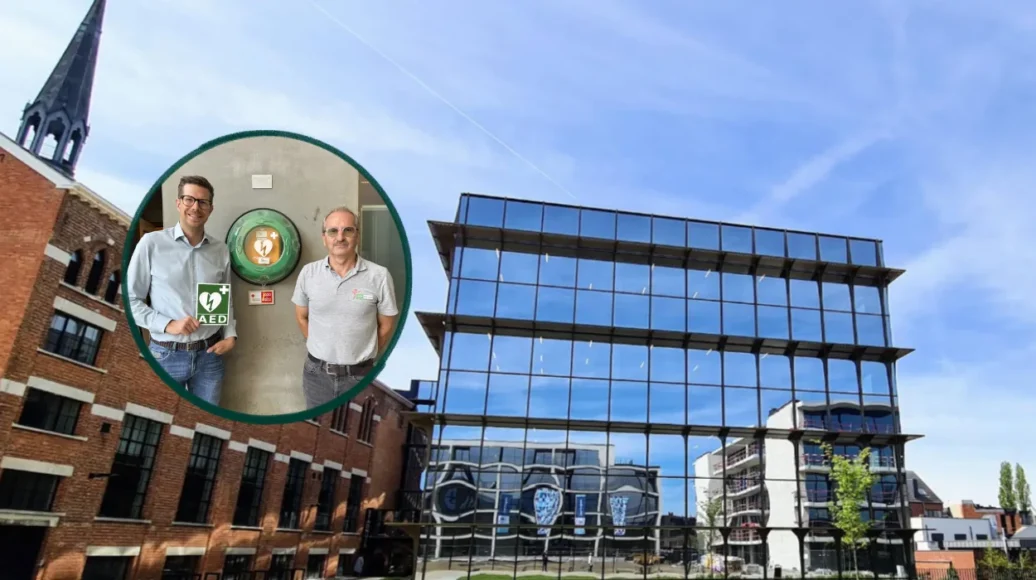
Beringen Enhances AED Network with Three New Sites and Nine Upgrades
Beringen (Eurotoday Newspaper) – The city of Beringen has announced a significant expansion of its automated external defibrillator (AED) network, installing devices at three new locations while replacing nine older units to ensure reliable emergency cardiac care across the municipality.
What Does the New AED Expansion Include?
The new phase in the development of the Beringen Automated External
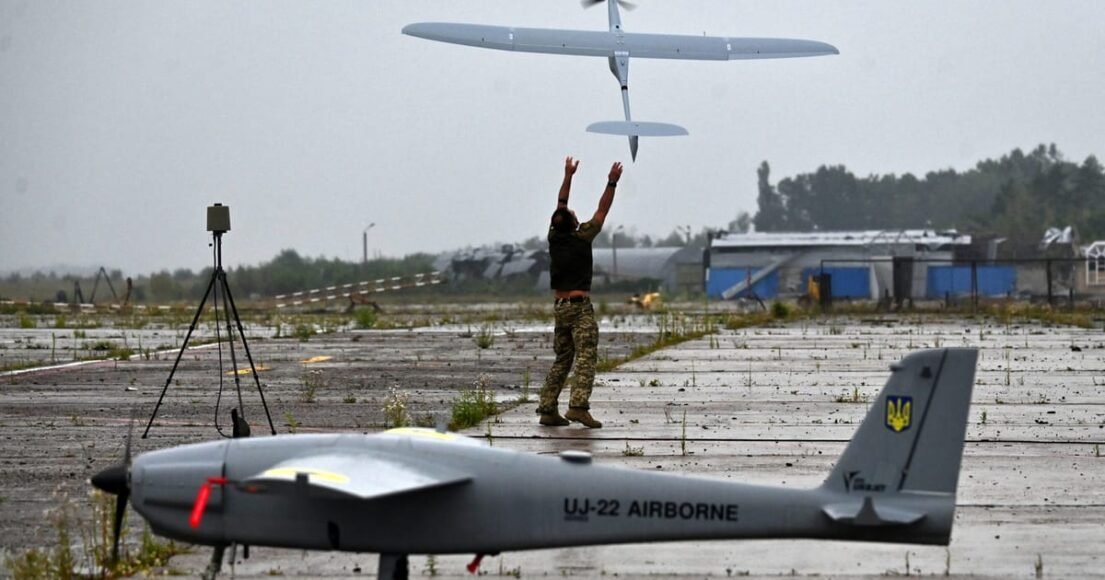
Poland’s Tusk claims Moscow likely responsible for drone factory arson

Madrid F1 Track Confronts Noise Challenge
Madrid’s first Formula One Grand Prix at the new Madring circuit is approaching under a cloud of neighborhood concern after residents recorded high noise levels during recent Formula Three sessions. City officials have promised acoustic barriers
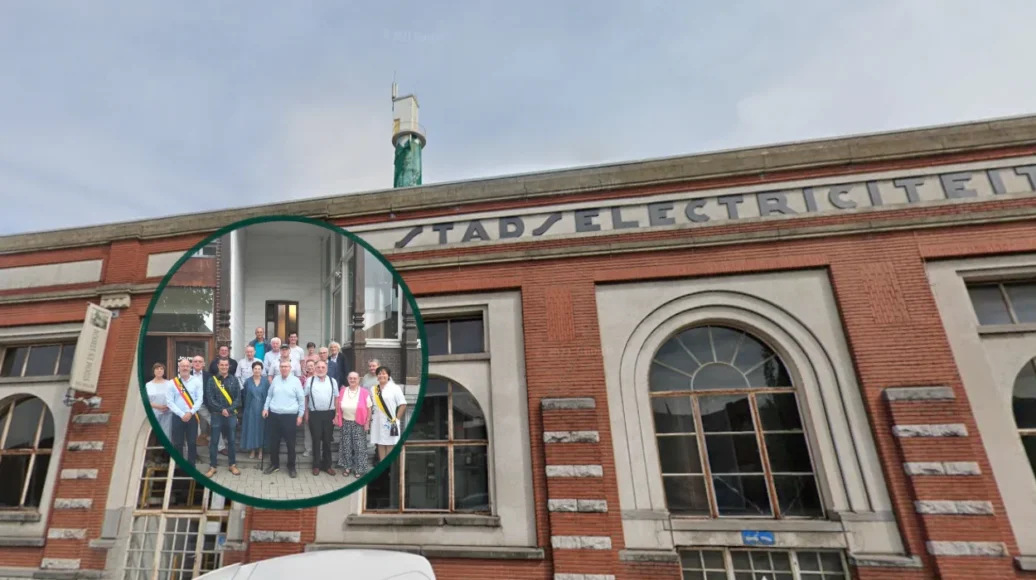
Izegem Steam Friends Celebrated at 125-Year Steam and Electricity Festival
Izegem (Brussels Morning Newspaper) – Izegem will be celebrating its volunteer group called the “Steam Friends” as part of a year-long celebration to commemorate the 125 years since steam and electricity have powered Izegem’s industries and community. This will culminate in an event on Sunday, 13 September 2026 at the Museum Stoom en Stroom, where the city, its heritage volunteers, and the regio
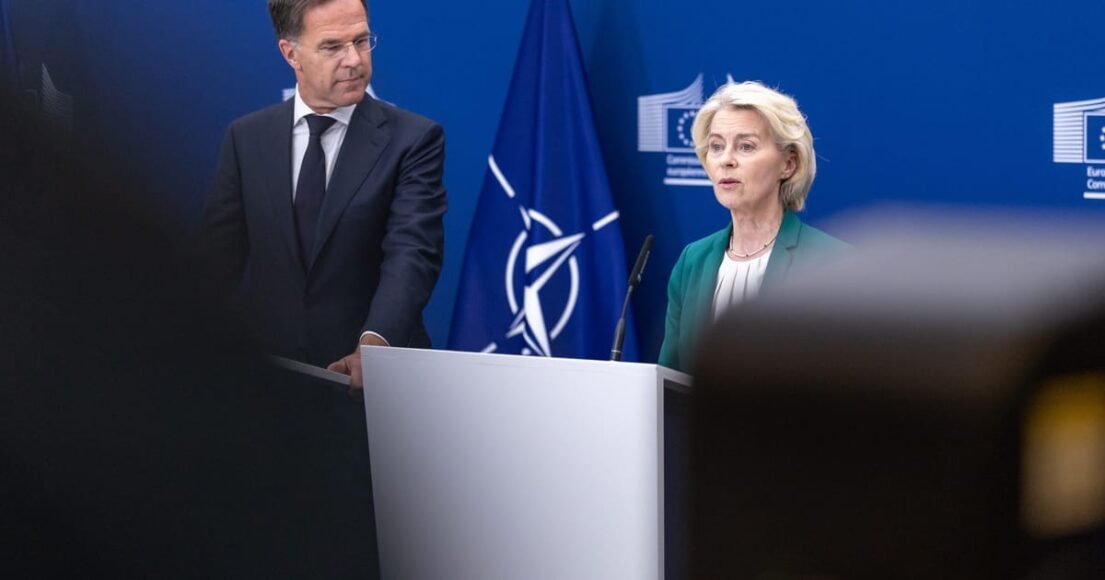
Von der Leyen, Rutte: Russian ‘Intimidation Will Not Work’ to Stop Ukraine Aid
Rutte criticized Russia’s actions as “reckless,” citing incidents like “drones and missiles” entering NATO airspace, fires allegedly set at fact
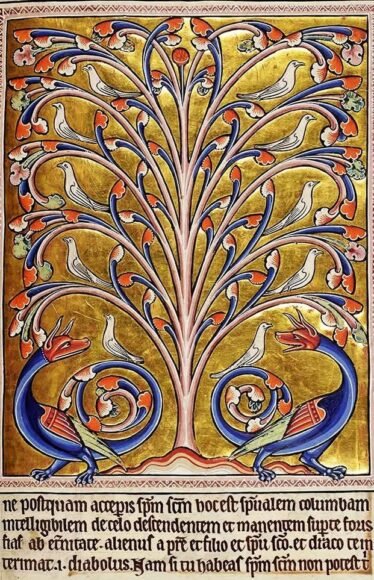
Divine Wisdom Imagery and Concept in the Old Testament (1)
Divine Wisdom (Hebrew – חוכם; Greek – σοφία) is a central theme in didactic biblical literature, referred to as chomic in modern biblical studies. The authors of Wisdom explore it in theological and moral-practical senses, treating it as a divine attribute or a human quality bestowed from above. Sometimes it is discussed as Wisdom itself, while other times as participation in it
"Climate Change is Present and Painful" — Interview with the Executive Director of the European Environment Agency
Leena Ylä-Mononen, the Executive Director of the European Environment Agency (EEA), emphasized that adapting to climate change is now essential, as its effects are already manifesting. “Severe droughts have disrupted agricultu
Leave a Reply