


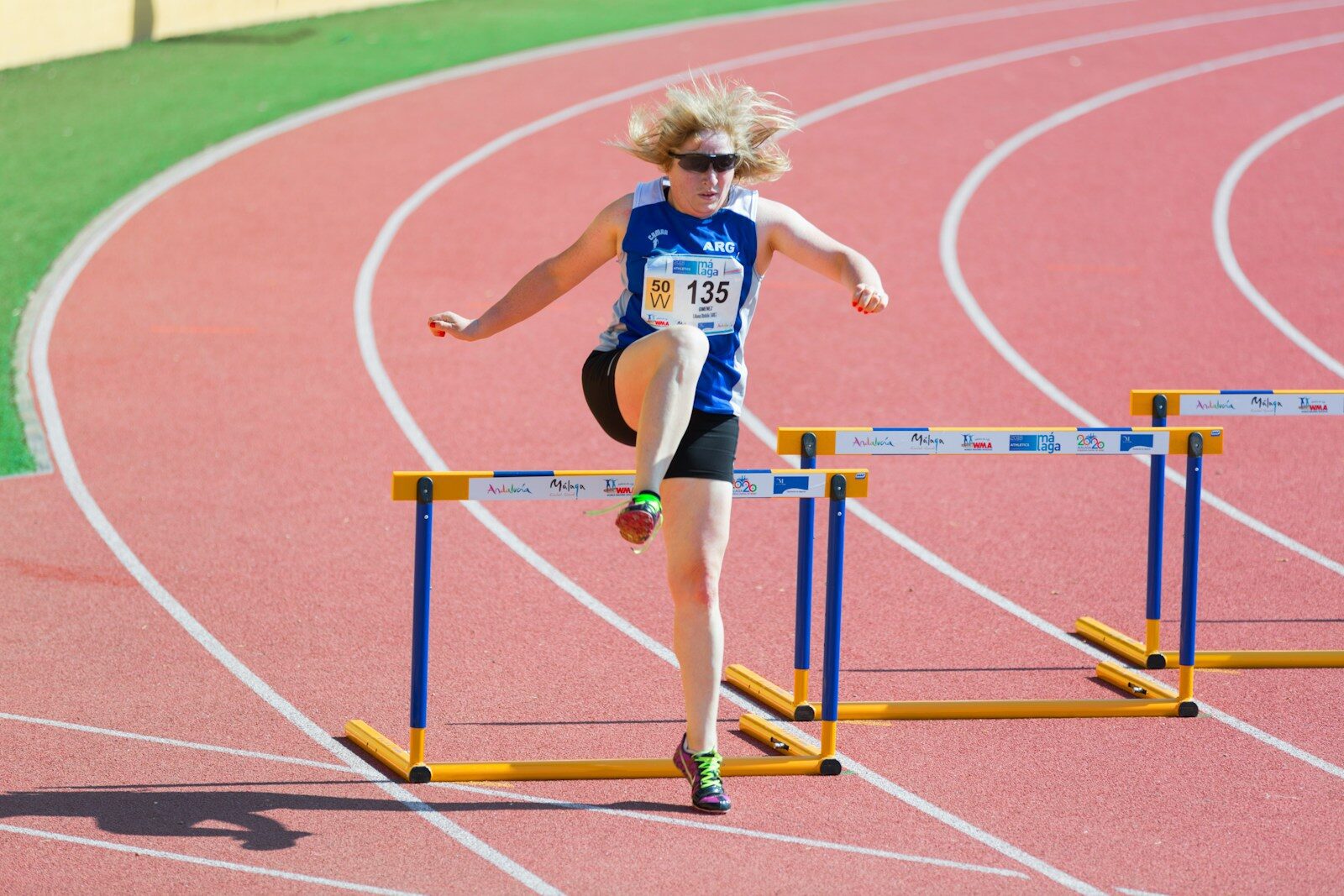
New broadcast guidance focuses on sporting technique and athlete dignity at the European Championships
The European Athletics Championships are set to begin in Birmingham on Monday, with more than just medals at stake. As the cameras capture Europe’s top competitors, new broadcasting guidance will be tested on this major championship stage: can television portray the power, technique, and emotion of women’s athletics without resorting to sexualized imagery?
By Daniel Mercer, Sports Correspondent, The European Times
A championship through many lenses
The championships will occur from 10 to 16 August at Alexander Stadium, marking the first time Britain hosts Europe’s premier outdoor athletics competition. The official Birmingham 2026 programme includes track races, jumps, throws, combined events, and road competitions, offering seven days of continental competition.
This variety makes athletics particularly challenging for television crews. A sprint may be decided in an instant, while a field event unfolds over repeated attempts, technical adjustments, and long periods of concentration. Cameras must navigate between competition, reaction, and analysis without intruding on athletes at vulnerable moments.
In June, the European Broadcasting Union and European Athletics addressed this responsibility with Raising the Bar, guidelines for respectful coverage of women’s athletics. The document was developed with broadcast professionals and Olympians Holly Bradshaw, Ivana Španović, and Blanka Vlašić.
Its central argument is practical rather than cosmetic: the camera angles that best convey performance are often those that treat athletes most respectfully. A wide side view of a high jumper, for example, can illustrate the approach, curve, and take-off. A tightly cropped replay from beneath the bar may offer little technical insight while creating an unnecessarily compromising image.
Technique over objectification
The guidance examines high jump, pole vault, horizontal jumps, and running events. It cautions against low camera angles, prolonged close-ups from behind, and slow-motion sequences focusing on an athlete’s body rather than the movement that defines their performance.
For pole vault, it encourages replays showing the final strides, pole plant, take-off, and inversion. In long jump, side-on views can showcase speed, foot placement, and the relationship between the take-off board and landing. For runners, the guidance suggests avoiding excessively tight or low shots during start-line preparations and moments of exhaustion post-finish.
This is not a call for emotionless broadcasting. Faces, celebrations, disappointments, and exchanges with coaches are essential to sports. The question is whether those images help the audience understand the competition or merely expose an athlete when she has little control over her body’s presentation.
The distinction matters beyond individual discomfort. Images selected for live coverage can be clipped, reposted, and detached from their sporting context within minutes. Women athletes have described slow-motion footage circulating online in ways that invite sexual commentary and abuse. What begins as a production choice inside a stadium can escalate to a safeguarding issue across digital platforms.
Guidance requires accountability
The EBU document sets expectations, but it is guidance rather than an independent enforcement system. Its value will depend on whether directors, camera operators, replay teams, commentators, and rights-holding broadcasters consistently incorporate it into their work.
A meaningful assessment should involve more than the absence of the most intrusive shots. Broadcasters could examine if women and men receive similar technical analysis, if replay choices explain performance equally well, and if athletes have a clear avenue for raising concerns.
European Athletics and the EBU could bolster confidence by reporting on how the guidance was applied after major championships, any issues that arose, and whether athletes deemed the coverage fair. Without feedback and review, even carefully crafted standards risk remaining an editorial aspiration rather than transforming daily production culture.
The broader equality question is familiar. As The European Times has reported on women’s treatment in sport, greater visibility doesn’t automatically lead to equality. Coverage can increase while stereotypes, unequal pay, and leadership barriers persist.
A better view of elite performance
Birmingham offers a valuable opportunity because athletics makes the relationship between technique and representation especially apparent. Every jump, throw, and race contains details that a knowledgeable production team can reveal: rhythm, balance, acceleration, positioning, and decision-making under pressure.
Respectful coverage should enhance rather than constrain the broadcast. Portraying athletes as skilled professionals provides commentators more to explain and audiences more to understand. It also places women’s events within the same serious sporting language routinely applied to men’s competition.
The medals awarded in Birmingham will record who ran fastest, jumped highest, or threw the furthest. The images broadcast across Europe will influence something less measurable but still significant: whether millions of viewers see women athletes primarily as bodies under observation or as competitors whose craft merits close, informed attention.








Leave a Reply