Bernese Convention: Reduced Protection Status for Wolves

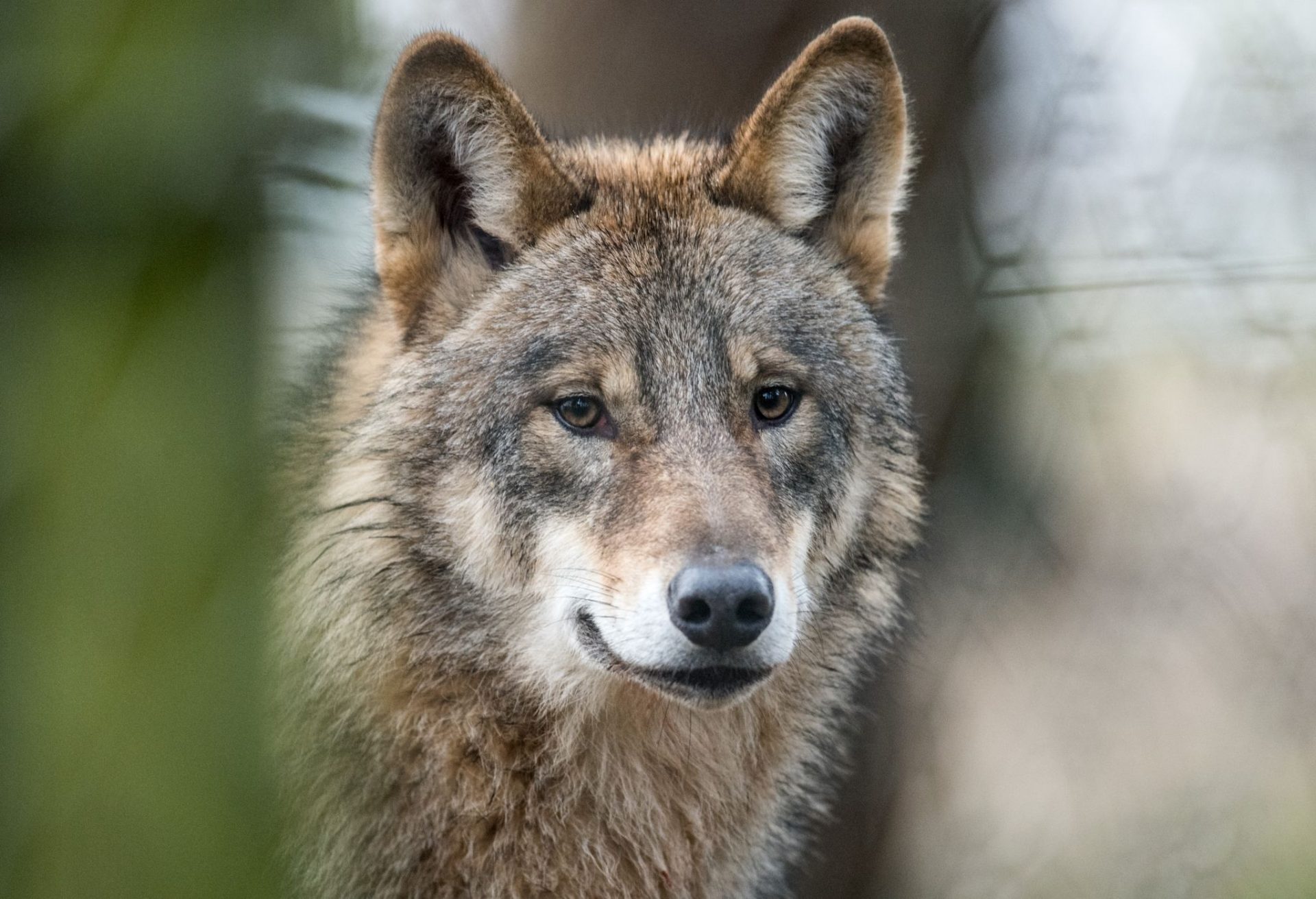
Brussels/Strasbourg – The protection status of wolves has been officially downgraded from “strictly protected” to “protected” by the signatory states of the Bern Convention. This decision was announced by the Council of Europe’s press office in Strasbourg on Tuesday. The move to lower the protection level originated from the EU, which may further adjust wolf protections under the Flora-Fauna-Habitat Directive (FFH Directive). Austrian Agriculture Minister Norbert Totschnig (ÖVP) expressed his approval of the change, which he had advocated for.

The voting details by individual countries have not been disclosed, but it is expected that the EU Commission, representing the 27 member states, supported the proposal. Switzerland, which had previously sought a downgrade in 2022 but faced opposition from the EU, also likely favored the change this time.

As the EU and its member states are participants in the international Bern Convention on the Conservation of European Wildlife and Natural Habitats, shifting the status at the EU level required amending the convention’s protection standards. The change will take effect three months after the vote, during which time a third of the signatory states could potentially veto it, although this is considered unlikely due to the necessary two-thirds majority obtained for this decision.

The Austrian Ministry of Agriculture reported that 38 out of 50 Bern Convention member states voted in favor of the proposal. Following this, the EU Commission will be encouraged to revise the annexes of the FFH Directive. The downgraded status would allow EU countries greater flexibility in permitting wolf hunting, without completely removing protections, as the wolf population must remain secure, according to a statement from the Council of Europe.

Wolves’ increasing numbers have triggered conflicts

In December 2023, the EU Commission suggested lowering the wolves’ protection status from “strictly protected” to “protected.” The resurgence of wolves in areas where they had previously disappeared, coupled with population growth in new regions, has resulted in various challenges and tensions, prompting the Commission’s decision. Following the agreement among EU states in September, an amendment was submitted to the Bern Convention. EU Commission President Ursula von der Leyen expressed her satisfaction with the decision, highlighting the need for a balanced approach that safeguards both wildlife and human livelihoods.

Today’s decision is seen by Agriculture Minister Totschnig as a significant step towards easier regulations concerning the management of wolves, which he claims are no longer endangered and are increasing in number by up to 30 percent annually. He pointed out that the wolf issue extends beyond livestock attacks, noting that wolves are becoming less fearful of humans. Totschnig stated, “As political leaders, we must prevent wolf attacks, which is why I have long advocated for a change in the protection status.”

Tyrolean governor Anton Mattle (ÖVP) welcomed the change as a validation of Tyrol’s demands, emphasizing that the wolf is no longer endangered. He stressed that if the EU Commission modifies the FFH directive, the reduction will be officially confirmed.

Josef Moosbrugger, President of the Austrian Chamber of Agriculture, remarked that today’s decision is crucial for the future of alpine and pasture farming, which faces more threats than the wolves roaming Europe. He stated that this decision reflects successful species protection in Austria and recognizes the growing wolf population across many European countries. Maximilian Mayr Melnhof, President of Hunting Austria, reiterated this sentiment, highlighting the rise of the wolf population.

Salzburg Deputy Governor Marlene Svazek (FPÖ) noted that the change is vital for balancing nature conservation with the interests of alpine farming and tourism. FPÖ EU Member of Parliament Roman Haider also endorsed the downgrading of the wolf’s protection status, asserting it would facilitate a more positive coexistence between humans, livestock, and wildlife.

Criticism from animal rights advocates

Animal rights advocates have condemned the decision, with Madeleine Petrovic, president of Animal Welfare Austria, calling it a setback for species conservation and indicative of a failure in democratic processes. She argued that scientific findings and public opinion, which largely favor maintaining the wolves’ strict protection status, were overlooked in favor of lobbying interests. Surveys indicated that 77 percent of respondents in the wolf report and 71 percent in the EU study supported retaining the existing protections.

WWF expert Christian Pichler criticized the ruling as a populist attack on species protection, arguing that a

Comments

2 responses to “Bernese Convention: Reduced Protection Status for Wolves”

  1. Oh, splendid! Finally, we can swap our hiking boots for hunting gear, because who doesn’t love a good game of “let’s see how many wolves we can chase away”? 🐺💨 Just what we needed—more flexibility in managing our wildlife *problems*. Cheers to progress, eh? 🍻

  2. California Goddess Avatar
    California Goddess

    Oh, brilliant! It seems we’re now giving wolves the same status as an unwanted house guest—“protected” but definitely not “strictly protected.” Next, perhaps we’ll downgrade the sheep to “optional snacks”? 😂

Leave a Reply

Your email address will not be published. Required fields are marked *

Last News

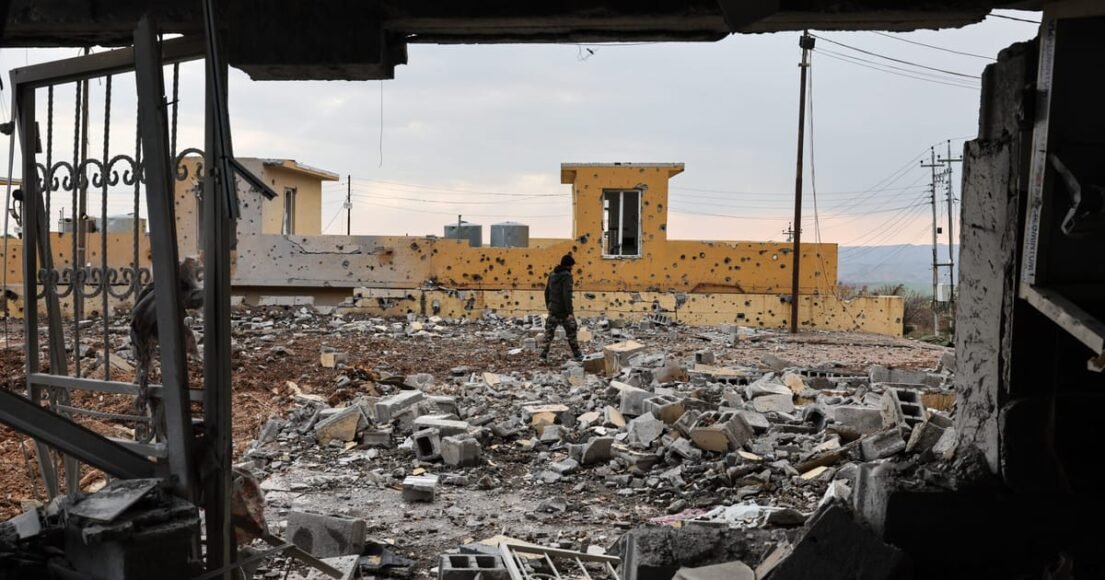
French soldier killed, multiple wounded in Iraq attack, Macron confirms

French soldier killed, multiple wounded in Iraq attack, Macron confirms

The French president stated that the war in Iran “cannot justify” a drone strike on troops participating in a counterterrorism training exercise in Kurdistan.

Read More

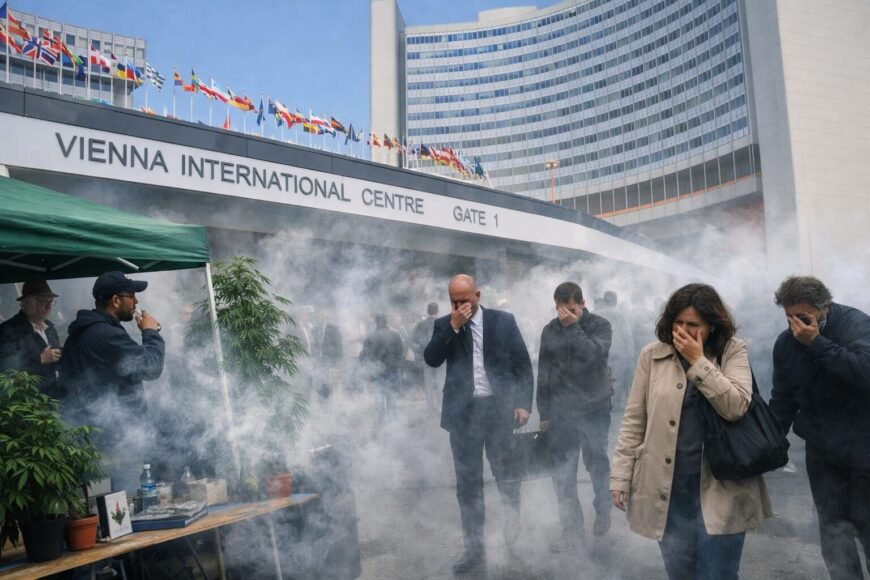
Outrage Erupts in Vienna Over Cannabis Smoke at UN Drugs Summit

Outrage Erupts in Vienna Over Cannabis Smoke at UN Drugs Summit

As delegates, diplomats, journalists, and civil society representatives gathered at the United Nations in Vienna for the 69th session of the Commission on Narcotic Drugs on March 12, 2026, they encountered an unsettling situation: the smell of cannabis smoke near the venue’s main entrance. For many attending, this was more than a political statement; it was unwanted exposure to a psychoacti

Read More

Colombian President Cautions US Against Latin American Empire-Building

Colombian President Cautions US Against Latin American Empire-Building

Petro, a leftist and former rebel, has become one of the most outspoken critics of this U.S. foreign policy worldwide, often finding himself on Trump’s blacklist.
The Colombian president avoided direct criticism of Trump, instead referencing their February meeting in the White House as an example of the kind of intercontinental dialogue he advocates for. Before that meeting, Trump had called Petro

Read More

Researchers Reviving the Danube

Researchers Reviving the Danube

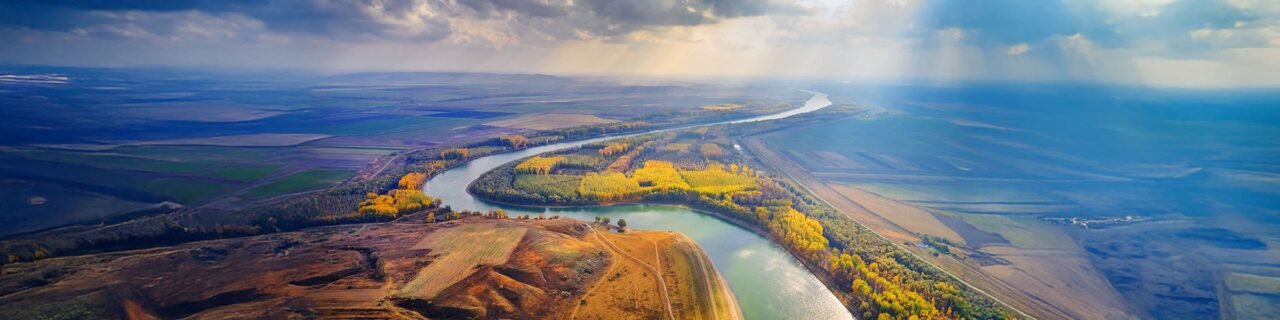
Florian Borgwardt and Tibor Erős, ecologists and dedicated freshwater enthusiasts, are focused on restoring the Danube River. They are part of an international partnership involving scientists, conservationists, and local communities to revive the river’s ecosystem and biodiversity.
Flowing through 10 countries and 4 capitals, the Danube is crucial for both nature and people. However, human act

Read More

US Patience Wears Thin as Deadline Looms to Prevent New Trade War with EU

US Patience Wears Thin as Deadline Looms to Prevent New Trade War with EU

“‘We’ll stick to the deal.’ And less than 24 hours later, they are already threatening us with new tariffs. It is impossible to work with the Trump administration like this,” the Socialist group’s vice president for trade policy, Kathleen Van Brempt, said in a post on X Thursday.
The EPP’s top trade lawmaker, Jörgen Warborn, last week pitched a “sunrise clause,” meaning the deal would only finall

Read More

The Iran-USA-Israel War Concluded the Shadow Conflict, Leaving Europe with a Strategic Dilemma

The Iran-USA-Israel War Concluded the Shadow Conflict, Leaving Europe with a Strategic Dilemma

Bashy Quraishy
Secretary General – European Muslim Initiative for Social Cohesion – Strasbourg
Thierry Valle
Coordination des Associations et des Particuliers pour la Liberté de Conscience
For Washington and Tel Aviv, the operation was framed as a strategic necessity to halt Iran’s nuclear ambitions. For Tehran, it was an act of aggression demanding retaliation.
But for Europe, the crisis present

Read More

EU Proposes Fact-Finding Mission to Ukrainian Pipeline at Center of €90B Loan Drama

EU Proposes Fact-Finding Mission to Ukrainian Pipeline at Center of €90B Loan Drama

BRUSSELS — The European Commission has suggested a fact-finding mission to a disputed Soviet-era pipeline to help settle a contentious issue between Kyiv and Budapest and release significant financial support for Ukraine.
“We have proposed a mission to inspect the pipeline to Ukraine,” Commission spokesperson Anna-Kaisa Itkonen stated to reporters on Thursday, noting that Ukraine had not yet repli

Read More

Sparing Saudi: The Back Channels and Deals That Shield Saudi Arabia from Iranian Attacks

Sparing Saudi: The Back Channels and Deals That Shield Saudi Arabia from Iranian Attacks

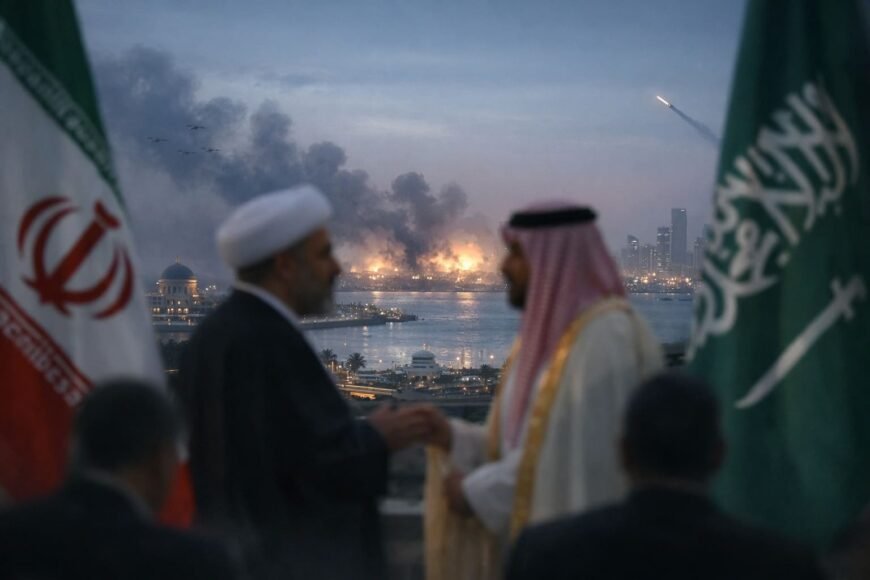
The US-Israel and Iran conflict has expanded regionally, with Iran targeting Gulf neighbors. Tehran has significantly reduced missile and drone strikes on Saudi Arabia, placing the Kingdom in a “third tier” behind other Gulf states in terms of the amount of fire received. The United Arab Emirates has been the most attacked.
Iran’s retaliation following late-February US-Israeli strikes has focuse

Read More

Three Factors Keeping Keir Starmer in His Position

Three Factors Keeping Keir Starmer in His Position

The release of the Mandelson files, war in the Middle East, and a new cost-of-living crisis are all creating turmoil for the prime minister, but oddly, could they be helping him?
The fallout from the initial details of Peter Mandelson’s exit from Washington has already revealed tensions between Sir Keir Starmer and some advisors. With many more emails, messages, and WhatsApps expected, this might

Read More

Romanian Patriarchate Facilitates Evacuation of Pilgrims from the Holy Land

Romanian Patriarchate Facilitates Evacuation of Pilgrims from the Holy Land

The escalating tension in the Middle East, particularly in Israel, has raised significant concerns among the many pilgrims and visitors currently in the Holy Land. The Romanian Patriarchate, known for its extensive pilgrimage initiatives, is actively aiding Romanian pilgrims affected by the conflict in Israel. In collaboration with its representation in the Holy Land and Romania’s state aut

Read More