


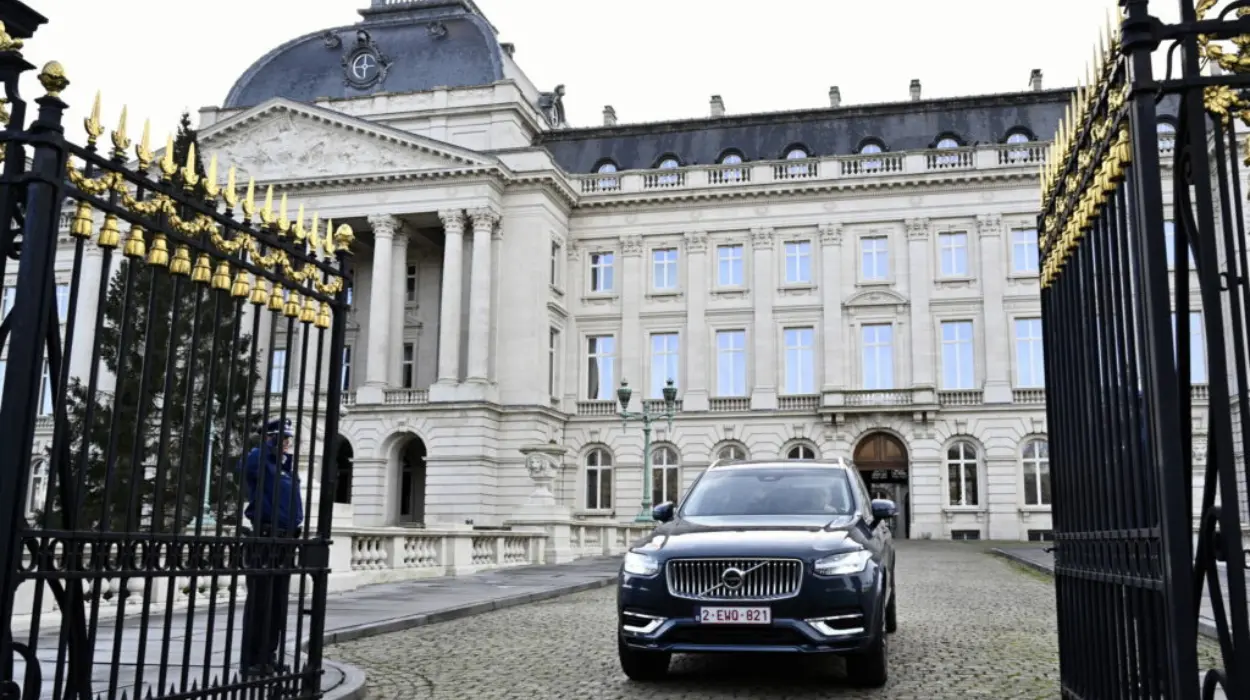
Brussels (Belgium Morning Newspaper): By January 7th, 2025, Belgium remains on day 211 without a government, and this keeps the political bigwigs AES-FNE engaged in discussion. The most recent event in this rather long-standing political crisis is the 15th meeting of the Flemish nationalist Bart De Wever with King Philippe.
This meeting is consistent with the attempts to bring an end to the stalemate that had come into force after the federal elections conducted in June 2023. Due to the failure of the required majority to form a coalition government, we have what tends to be perceived as a weak governance structure in the country, with different parties still having difficulties in passing many bills and laws, some of which are almost fifty years old.
Belgium went another day without a government, as Bart De Wever sat with King Philippe for the 15th time, and negotiations for a coalition government collaboration continued. Election deadlock has given rise to political crises; matters concerning governance and solutions to significant problems arise. Negotiations intended to establish a new government have been driven by Bart De Wever, the head of the New Flemish Alliance (N-VA) party. The frequency of his appointments with King Philippe underlines the King’s position in negotiations between different political parties. The general population, as well as political analysts, have been left frustrated with no plausible candidate forming the blockage, notwithstanding the many discussions that have taken place. The continuing standoff entails consequences in, for example, economic policy, public administration, and intergovernmental affairs. Many experts say that because Belgium has no government, the country cannot meet urgent and important problems like climate change, healthcare system reform, and social protection. There are regional and linguistic differences in the political structure of Belgium. Given the party’s emphasis on the Flemish region, it often opposes the interest of Francophone parties, making it difficult for it to form coalition governments. As De Wever carries on with his meetings with the King as well as other leaders of the parties, there is pressure to form a working government since the nation needs someone to harness its social goals once in a while.
Historical Context of Government Formation in Belgium
Belgium also has a tradition and a record of lengthy government-formation periods, frequently influenced by linguistic and regional factors. This scenario repeats the previous experiences of other crises, for instance, in the period between 2010 and 2011, when a political stalemate lasted 541 days before the government was sworn in. This historical background reveals one of the problems of the political situation in Belgium – because of the way of governmental representation, coalition governments are usually formed in the country.
The current status quo has led to much public discussion involving governance and accountability. People are getting impatient, waiting for the essential things to be addressed while our political players continue to bargain. The involvement of this monarchy in these talks has been appreciated as well as condemned, with some people saying that it is the only way in which stability can be achieved, especially during the tries of political instability. In addition, as Belgium is in the middle of its current turmoil, it also gets pressure from outside betting players within the EU and from partners internationally interested in good governance among their members. The real sense of urgency resonates from the necessity to provide motion on the economic recovery process after COVID-19 and, respectively, embrace climate targets. On day 211, with no government, all citizens waited for De Wever to find a way to form a stable government in Belgium.
Comments
Last News
Dogmatic Debate with Donatism (3)

France and Germany Clash Over Europe’s Industrial Future

EU Climate Risks Require Accelerated Response as Extreme Heat Intensifies
Brussels, Belgium, 25 August (Eurotoday Newspaper) – European governments face growing pressure to act earlier and more proactively against EU climate risks, as extreme heat, drought, wildfires and flooding increasingly threaten public health, infrastructure and economic activity across the continent.
The challenge has become particularly visible during successive hot summers. European authoriti
Nigel Farage Advocates for Eliminating GDPR in the UK
The EU GDPR offers broader individual rights concerning personal data, such as the “right to be forgotten,” compared to New Zealand’
France Calls for Swift Action as Heatwave Alert Levels Increase
Paris, France, 25 August (Brussels Morning Newspaper) – French authorities are urging people to act quickly when France heatwave alerts are triggered, as official guidance stresses that health effects can begin during the earliest stages of unusually hot weather.
Météo-France operates a four-level heat vigilance system — green, yellow, orange and red — designed to warn the public and authorities
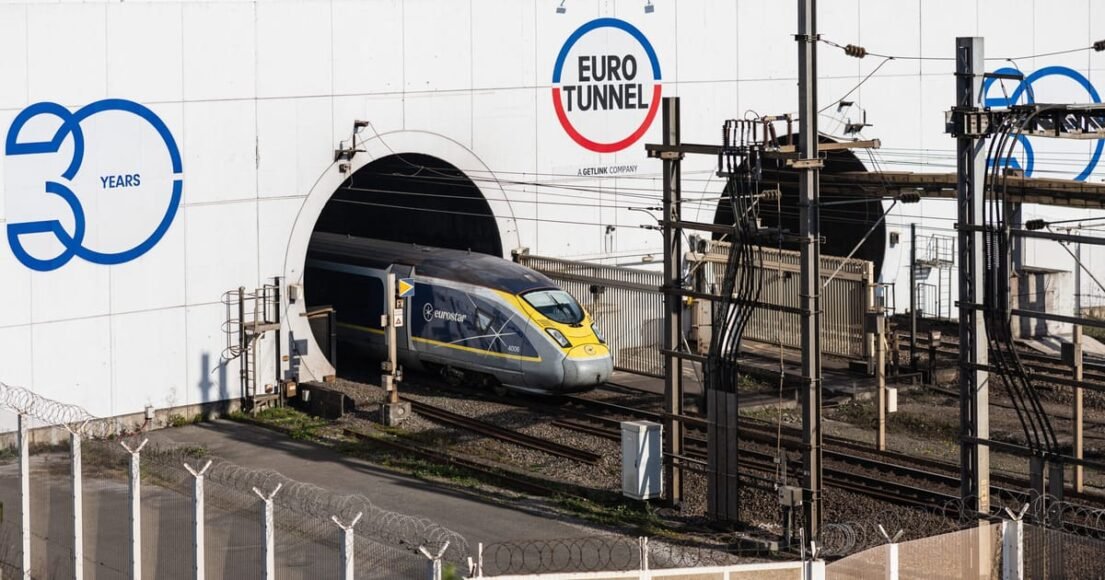
Britain-Europe Trains Set to Run Every 15 Minutes
Piling in
Despite these obstacles, the London route is con
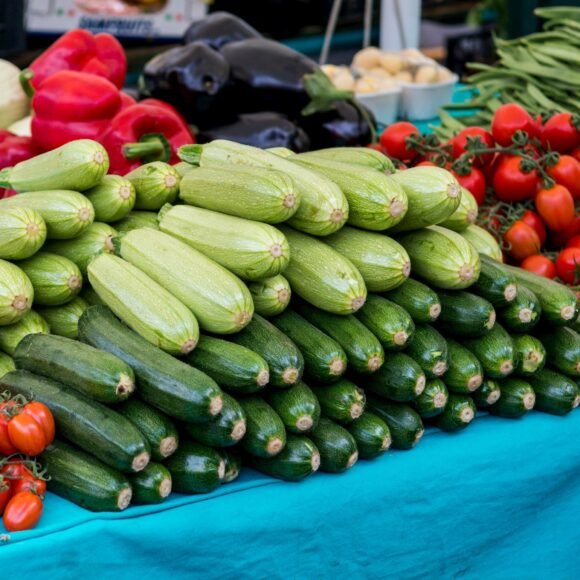
Colruyt Recalls Courgettes Due to Heptachlor Risk in Belgium
Belgium, 25 August (Eurotoday) – Colruyt has issued a Colruyt courgette recall after its supplier warned of the possible presence of heptachlor in loose courgettes sold through several of the retailer’s chains in Belgium and Luxembourg. Customers who bought the affected vegetables have been told not to eat them and to return them to a store for a refund.
Colruyt removes affected courgettes from
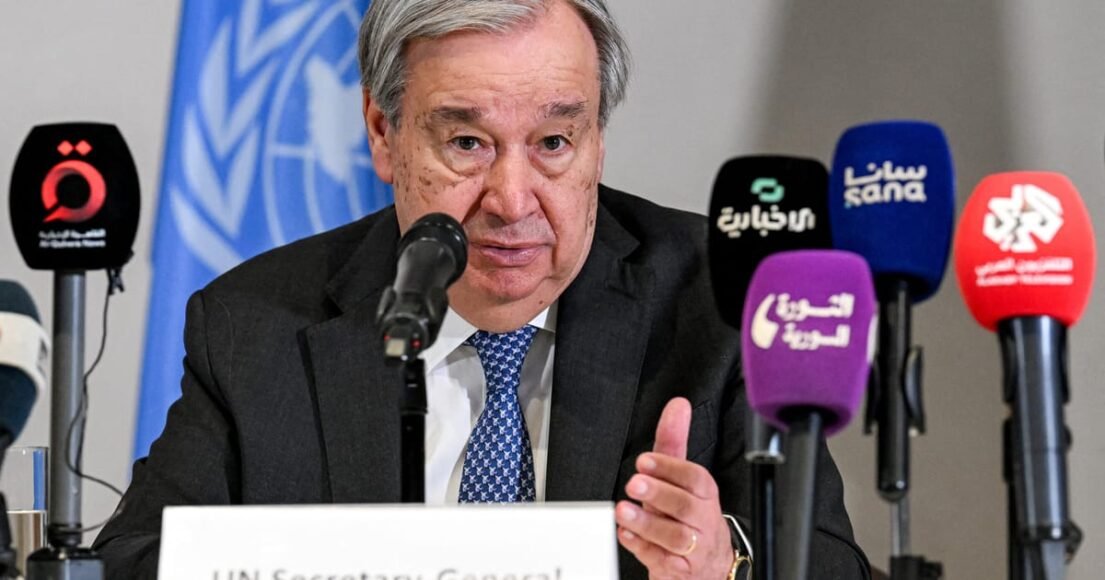
UN Chief Urges Countries to Control Autonomous Weapons
They both advocated for banning autonomous weapons causing unpredictable effects and anti-personnel weapons targeting humans.
The UN plans a conference in Geneva in November
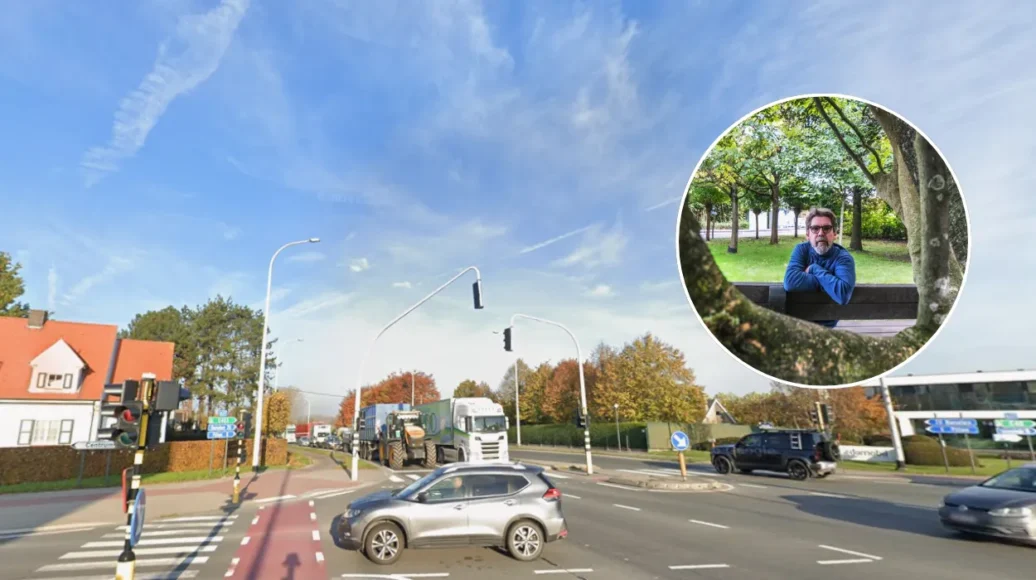
Meulebeke Author Confronts De Wever on Ben-Gvir Comments
Tielt (Eurotoday Newspaper) – Writer Rino Feys from Meulebeke has addressed an open letter to Belgian Prime Minister Bart De Wever over statements made by Israeli National Security Minister Itamar Ben-Gvir.
Feys, who once belonged to the De Zondvloed bookshop in Roeselare, wrote to De Wever in reaction to the language used by the Israeli minister that was described by him as aggressive and extre
Gun Violence Shakes Brussels as Mayor Points Out ‘Bullet Holes in the Ground’
Saint-Gilles has been struggling with drug-related violence for years, especially around the train sta
Leave a Reply